











What "anti-age" actually means at the ingredient level
Aging skin gradually and progressively loses collagenand elastin, the proteins that provide the skin with resilience and structure, while cell renewal slows down and the natural moisture-binding ability decreases. An anti-age ingredient effectively does one of three things: stimulates the body's own production of collagen, protects existing collagen from being broken down by external factors such as UV radiation, or adds moisture and radiance that temporarily plumps fine lines without affecting the underlying structure.
Peptides, retinoids and adenosine, three different modes of action
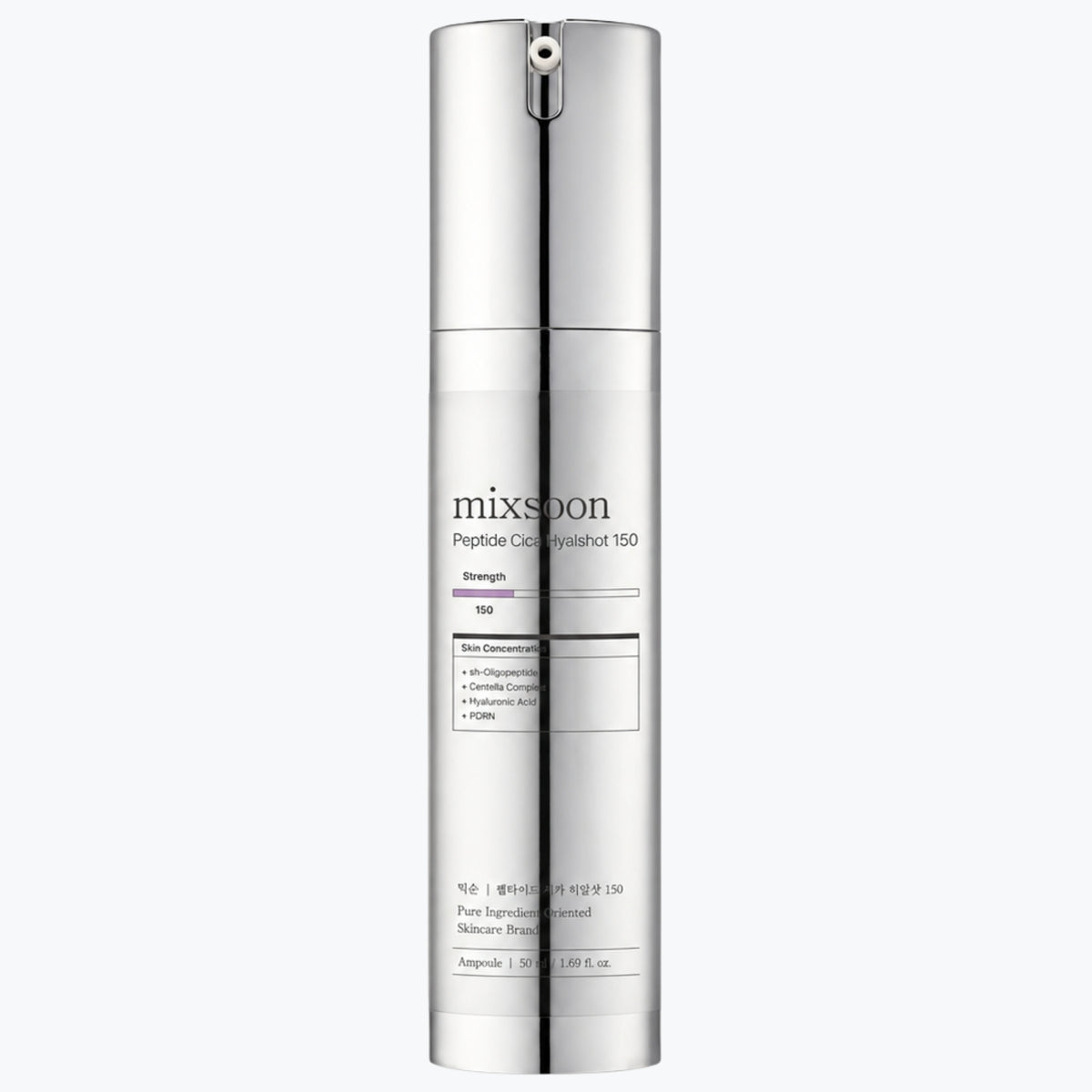
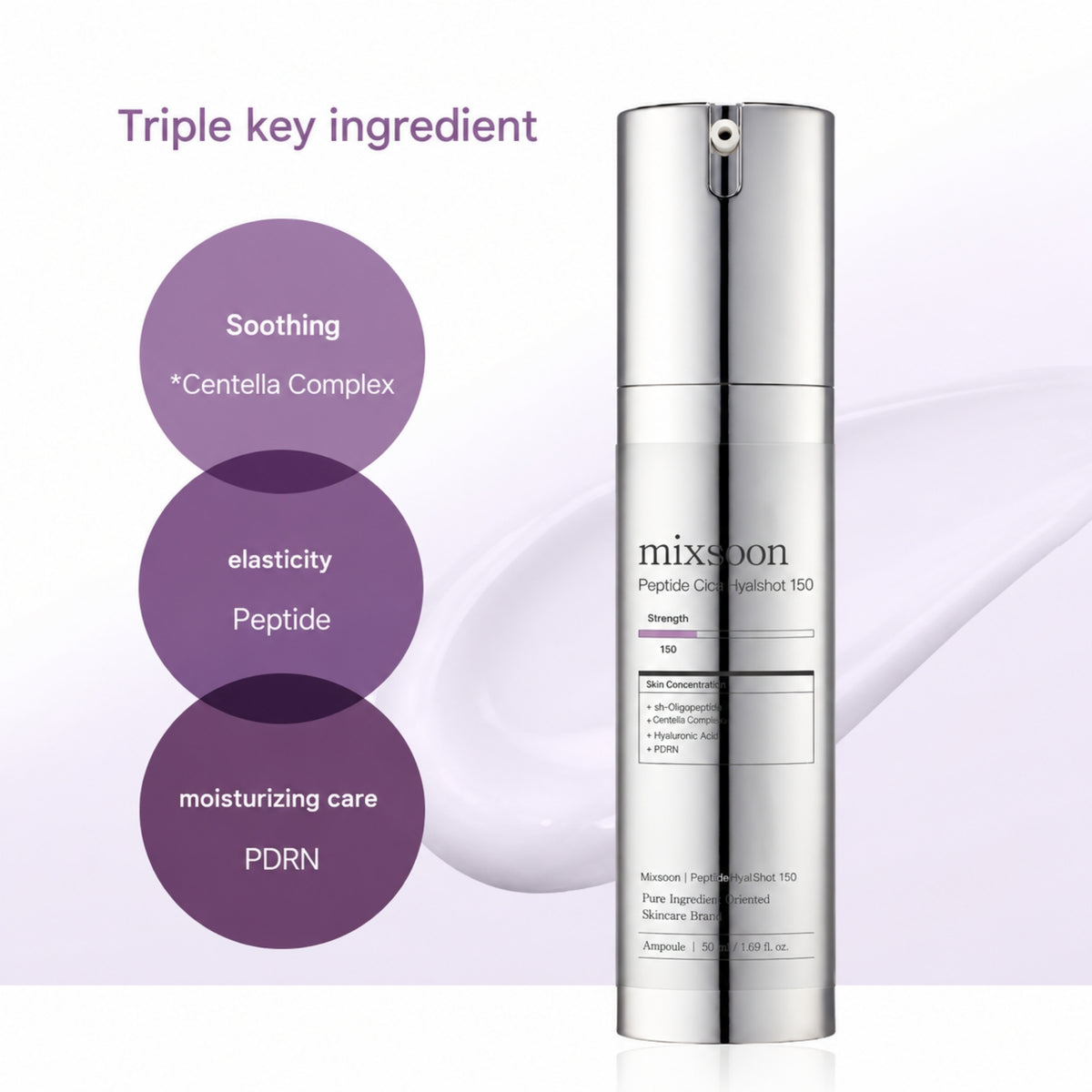
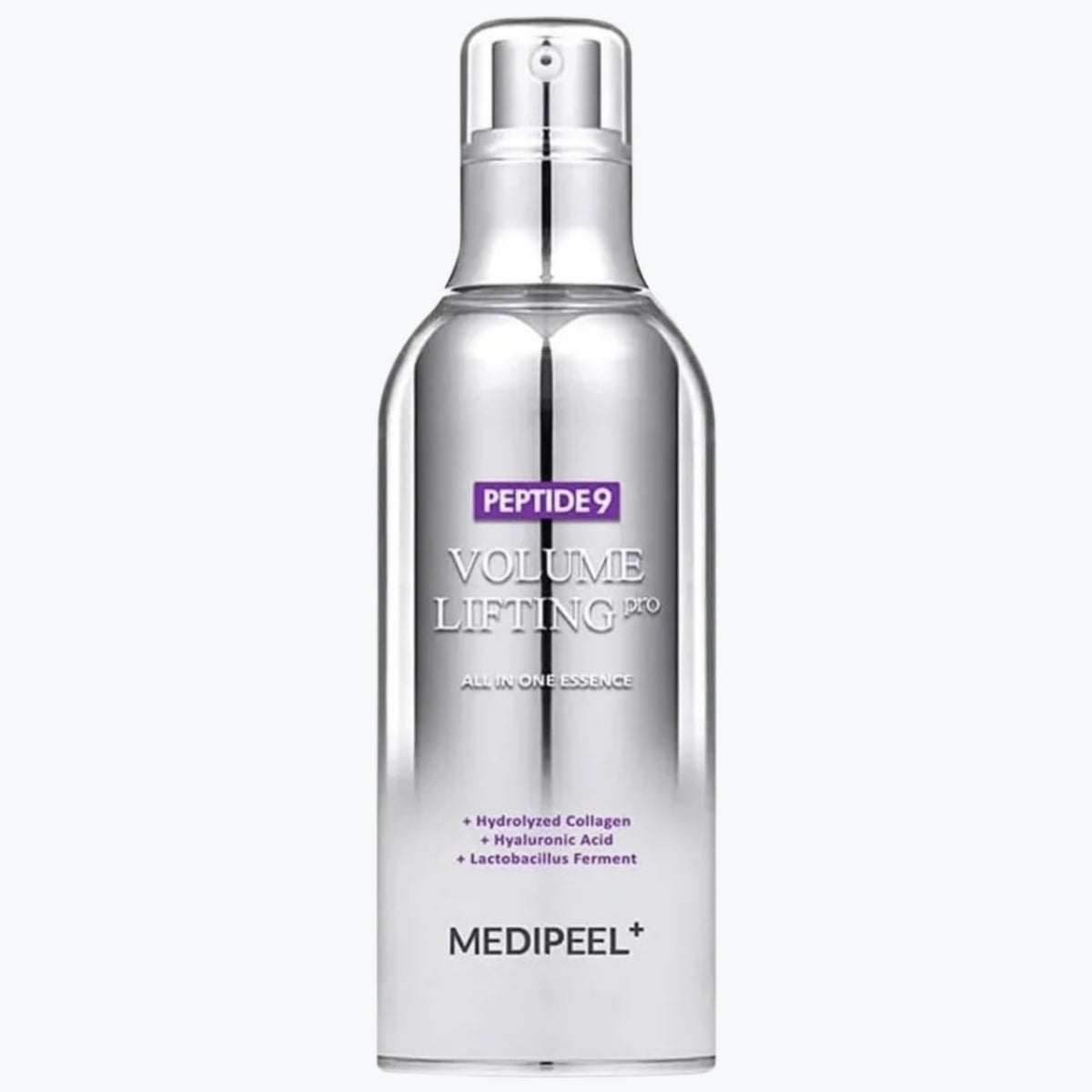
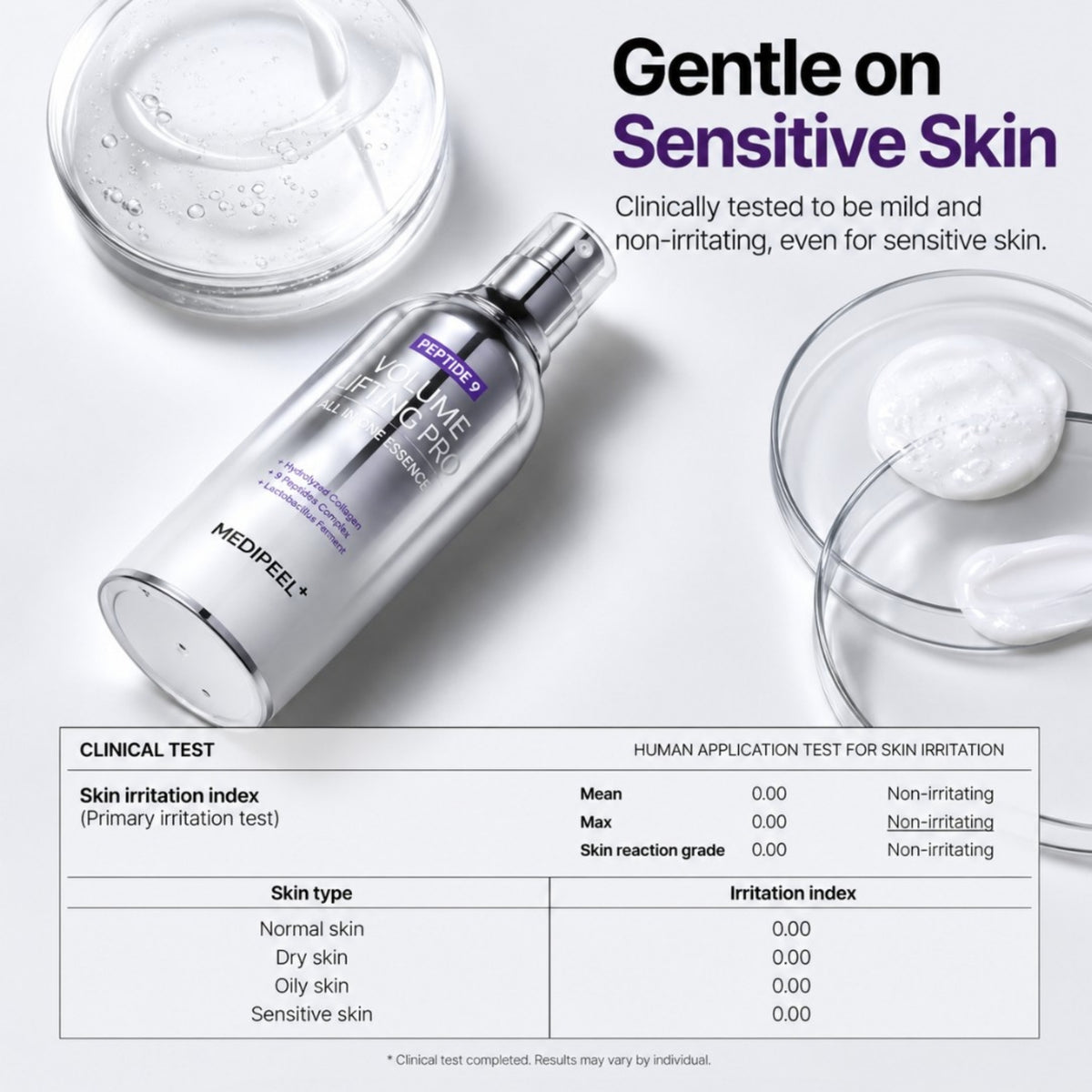
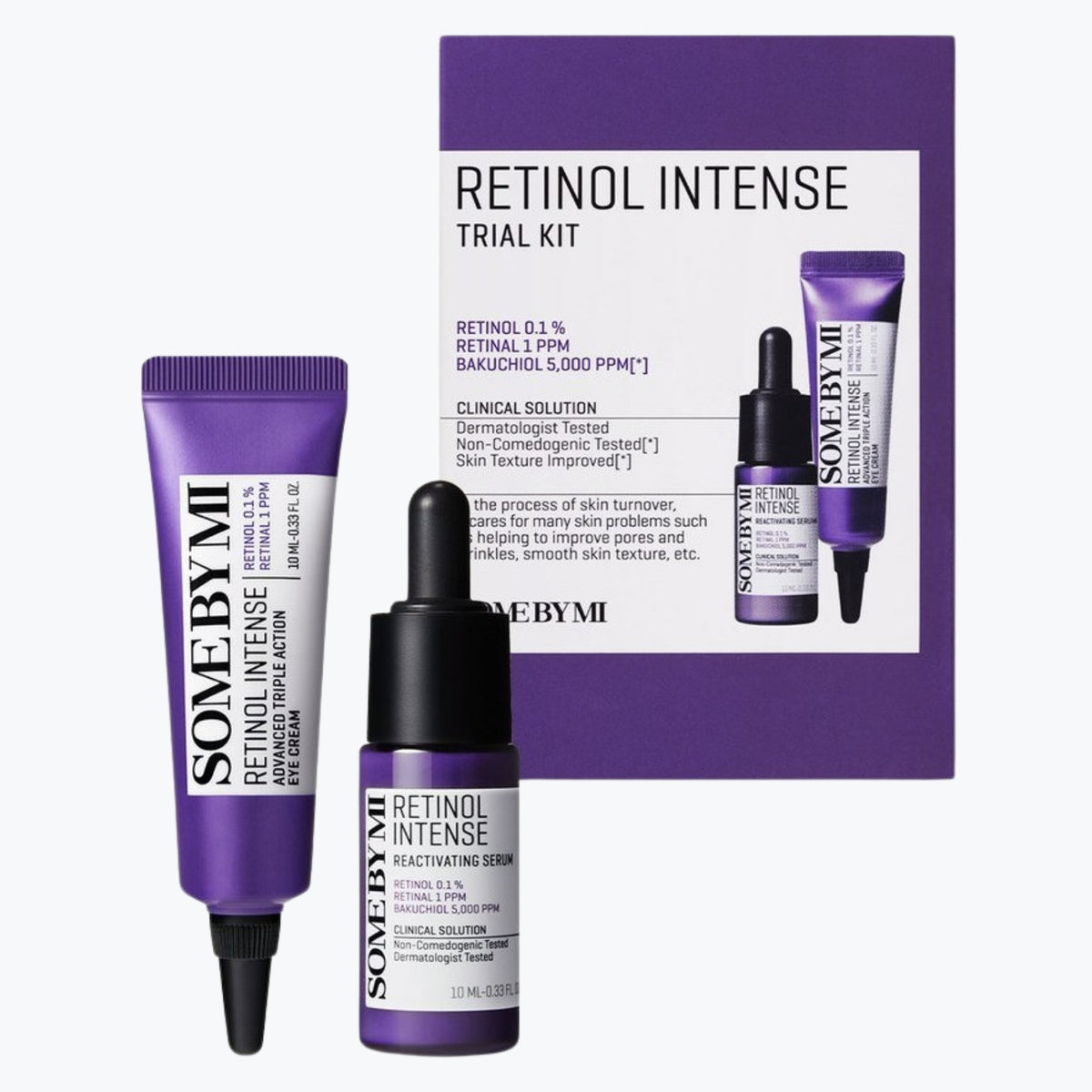
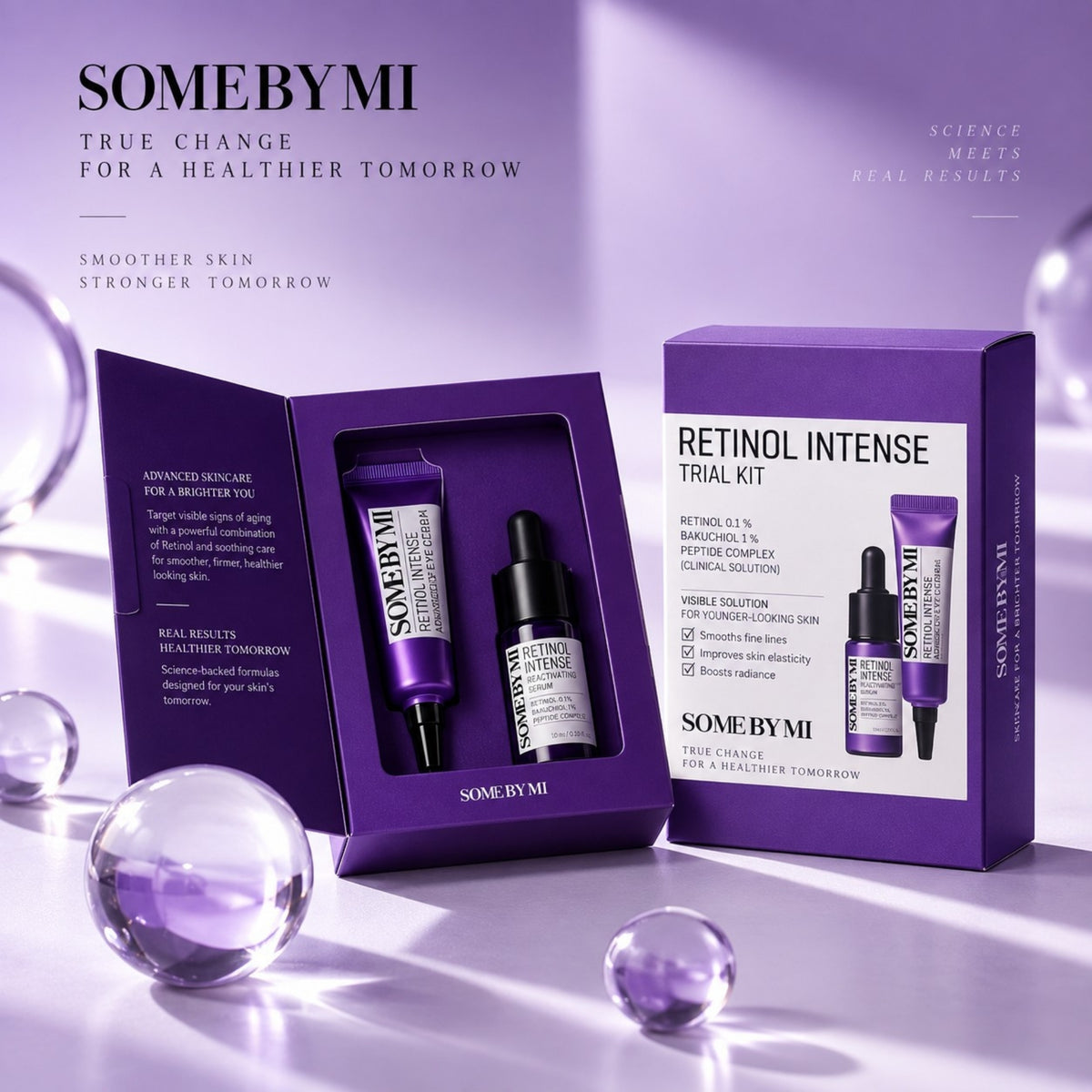
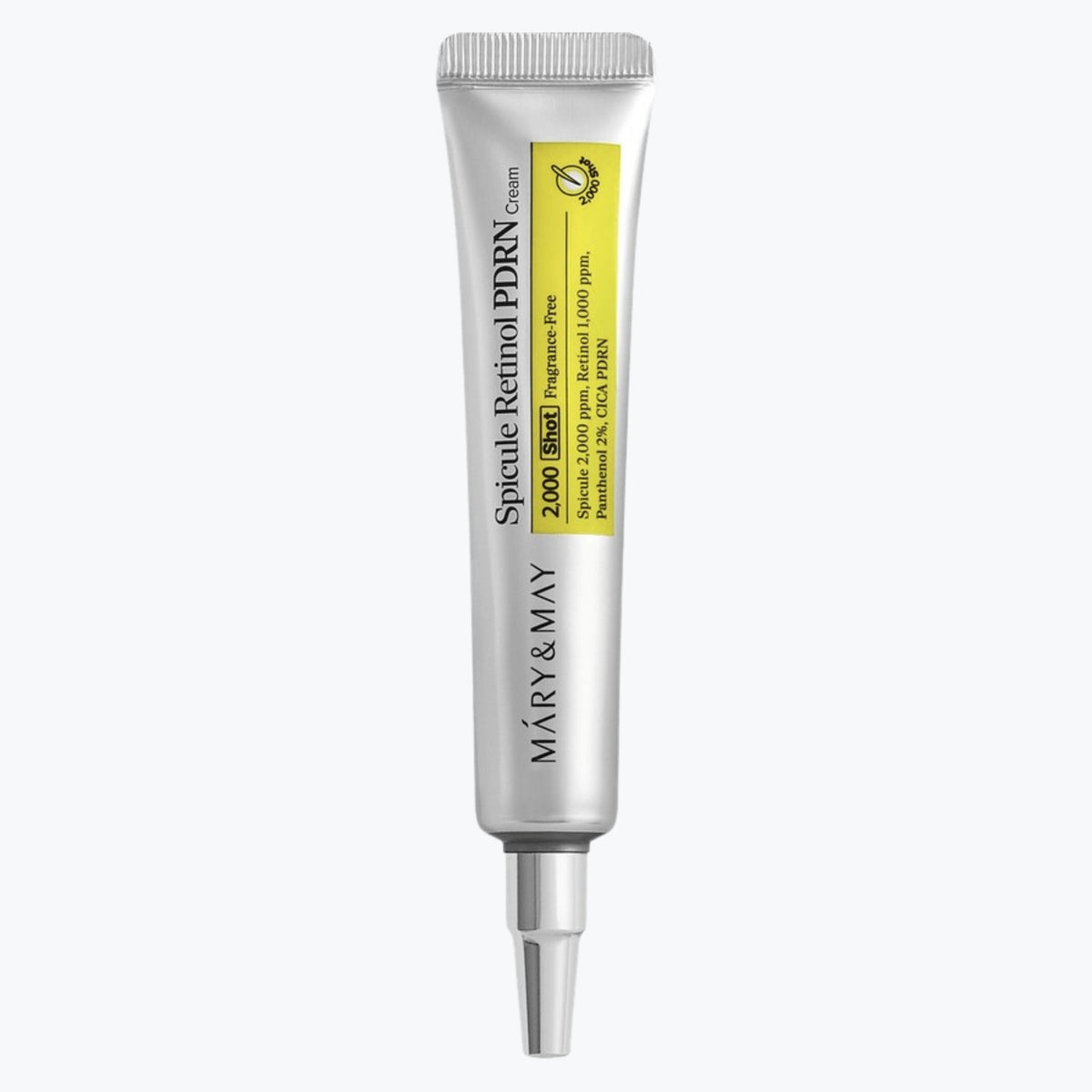
Peptidesare short chains of amino acids that signal the skin to produce more of its own collagen, a relatively gentle way to work with aging that most skin types tolerate well. Retinoids, such as retinoland the stronger prescription-strength tretinoin, accelerate cell renewal and have the strongest scientific backing of all anti-age ingredients, but require careful phasing in to avoid irritation. Adenosineis a milder molecule that has been shown to reduce the depth of wrinkles with regular use, often with fewer side effects than retinoids but with a slower, more subtle effect.
PDRN and biotech, the latest contribution from Korean skincare
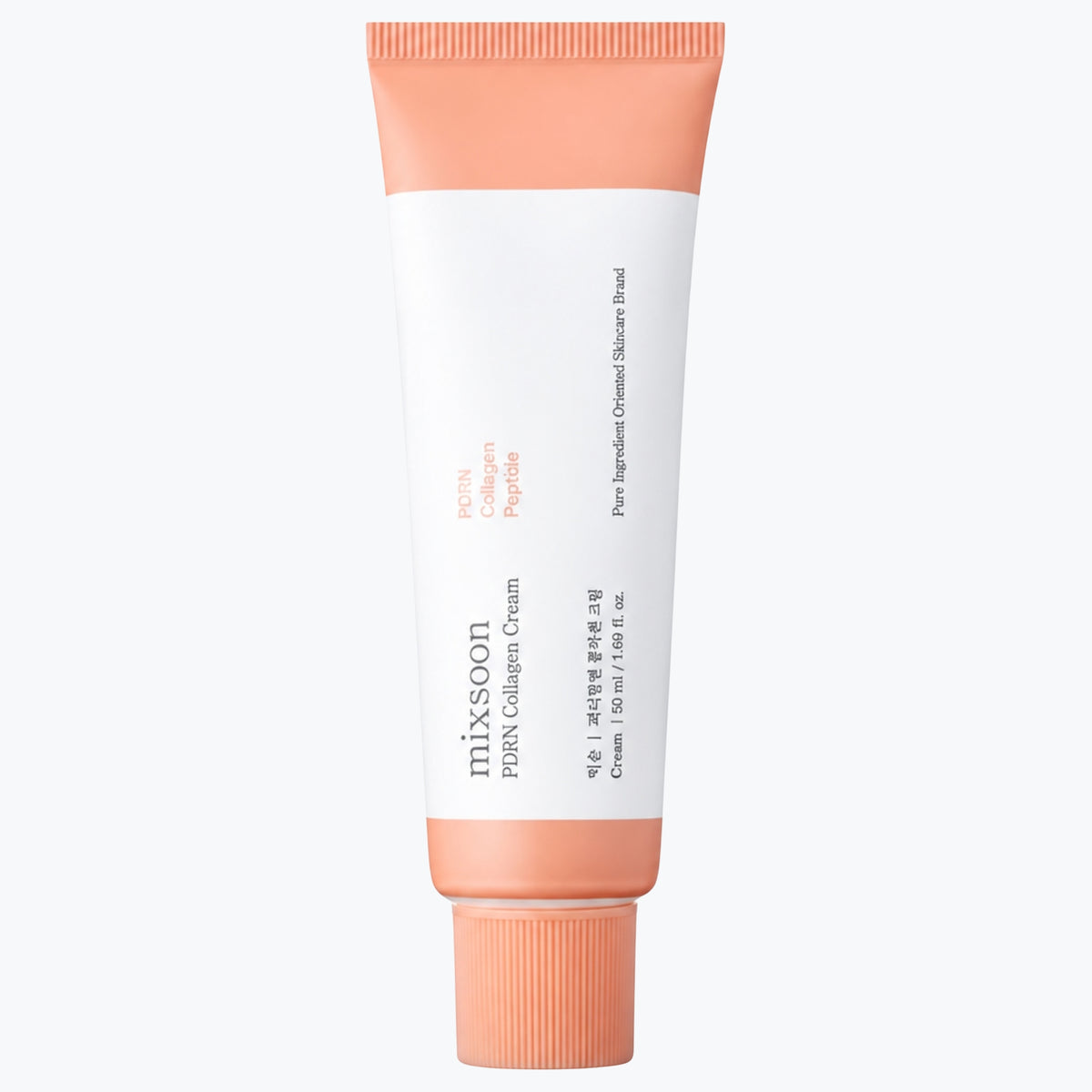
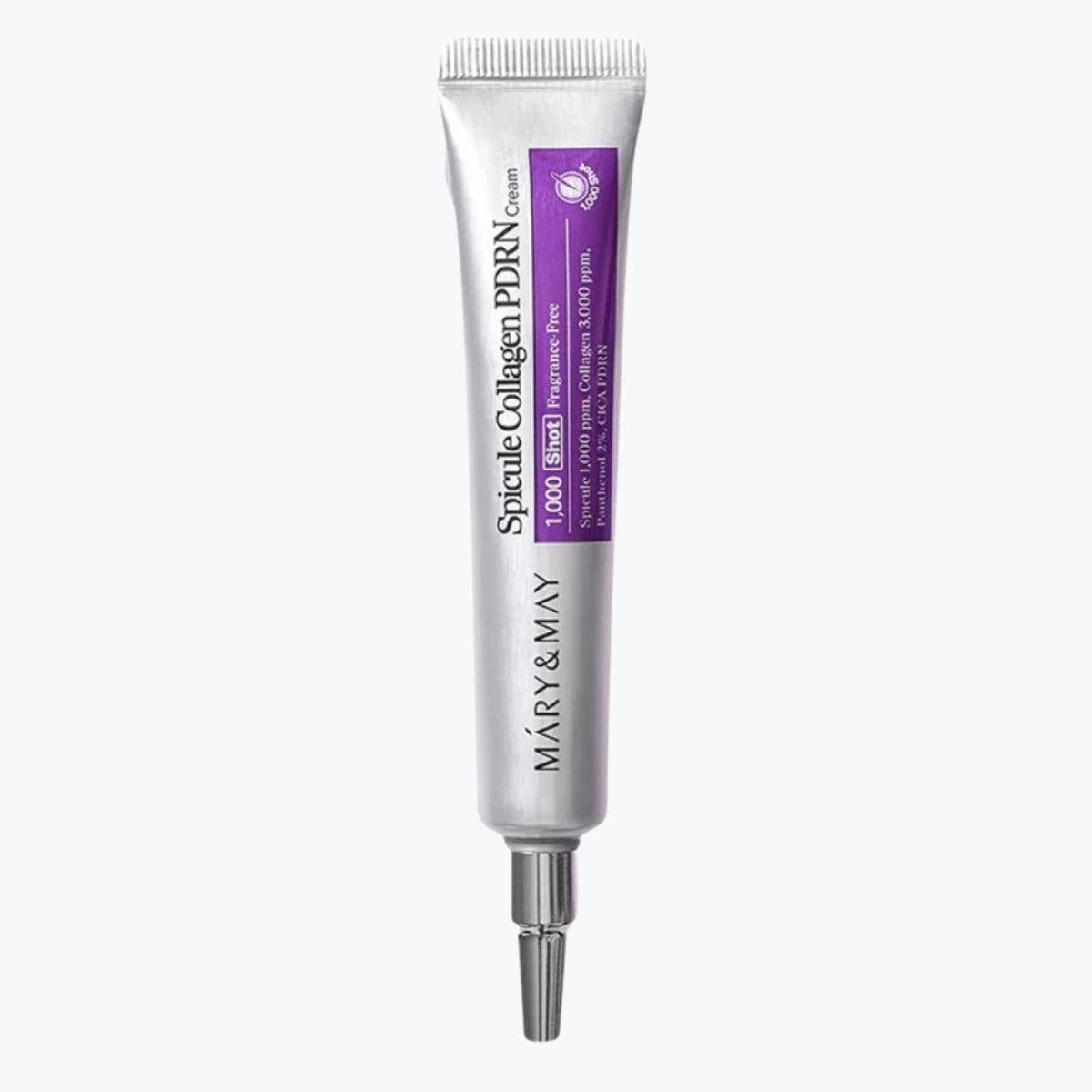
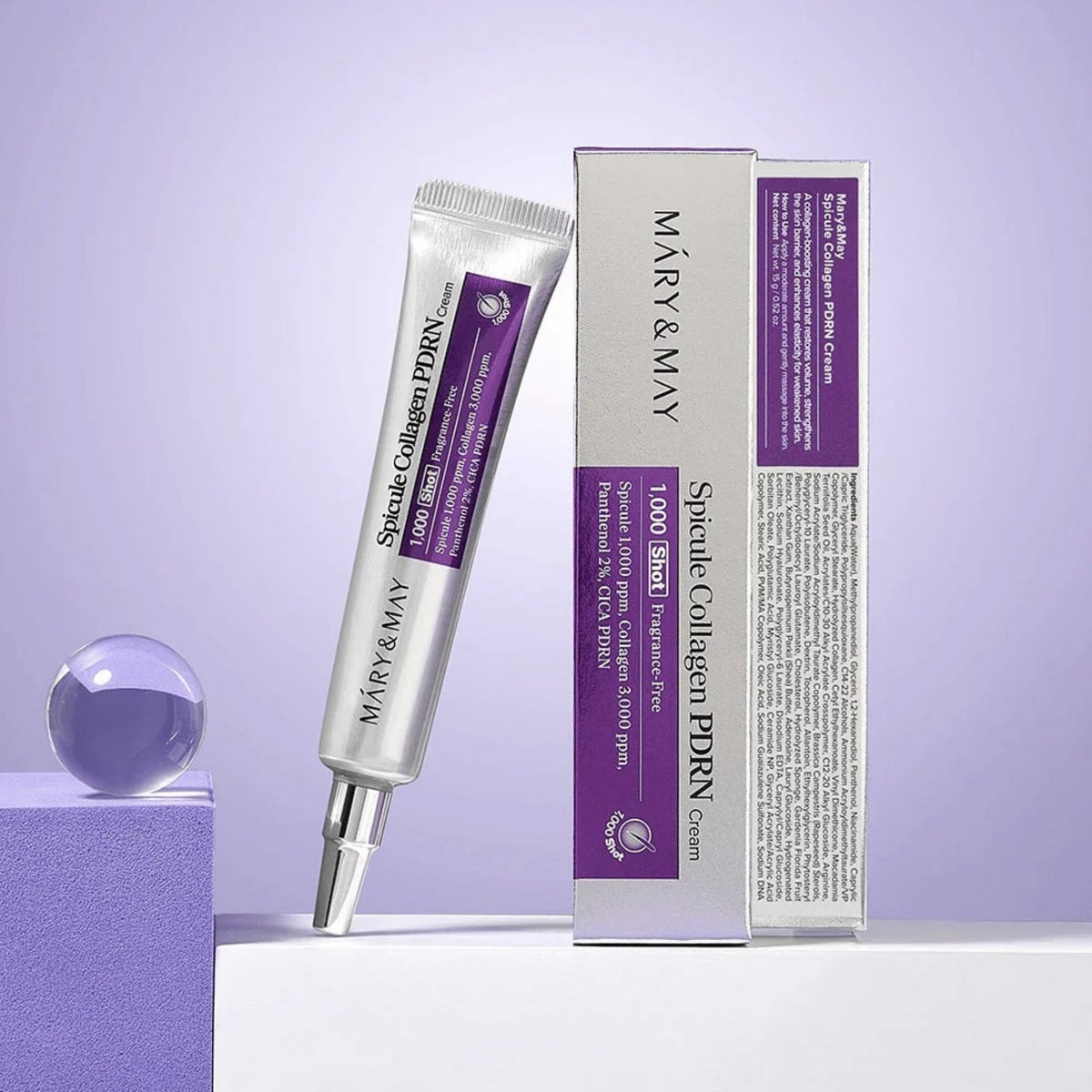
In recent years, Korean skincare has been clearly leading the way with biotech-heavy ingredients like PDRN, extracted from salmon roe, and exosomes, microscopic particles originally researched in regenerative medicine. What these newer ingredients have in common is that they work more directly with cell communication and repair than older, more established ingredients, although they still lack the extensive long-term studies available for retinoids and peptides, making them exciting but still under evaluation in research.
Long experience from established, international houses
While Korean skincare is pushing for new formats, there is great value in the decades of research behind more established, international anti-age series. Japanese skincare houses, for example, have been researching the skin's aging process since long before the term K-beauty was even coined, focusing on long-term developed formulas rather than fast trend cycles. That combination—new biotechnological breakthroughs side-by-side with deeply rooted research traditions—is a major part of what makes anti-age one of the most scientifically driven categories in all of skincare.
How to build an anti-age routine without overloading the skin
Start with a single active ingredient, usually retinolor a mild peptide serum, and give the skin several weeks to get used to it before adding another. Preferably do not combine strong acids and retinol on the same evening at first, and always build the routine around good sun protection, as UV radiation accounts for a large part of visible aging and makes all other preventive work less effective if skipped. A simple basic structure—cleanser, an active serum, moisturizer, and sunscreen—often yields better results over time than a long list of products that never get used consistently.
The myth that anti-age is only for older skin
Collagen production begins to slowly decrease from the mid-twenties, long before any wrinkles are actually visible to the naked eye. Introducing light, preventive ingredients like peptides or a mild retinol serum well in advance of signs appearing is often more effective than waiting and then trying to work away already established wrinkles and lost elasticity. Anti-age is therefore just as much about slowing down a process in advance as it is about repairing something that has already started to show.
Collagen in a jar, what it actually does
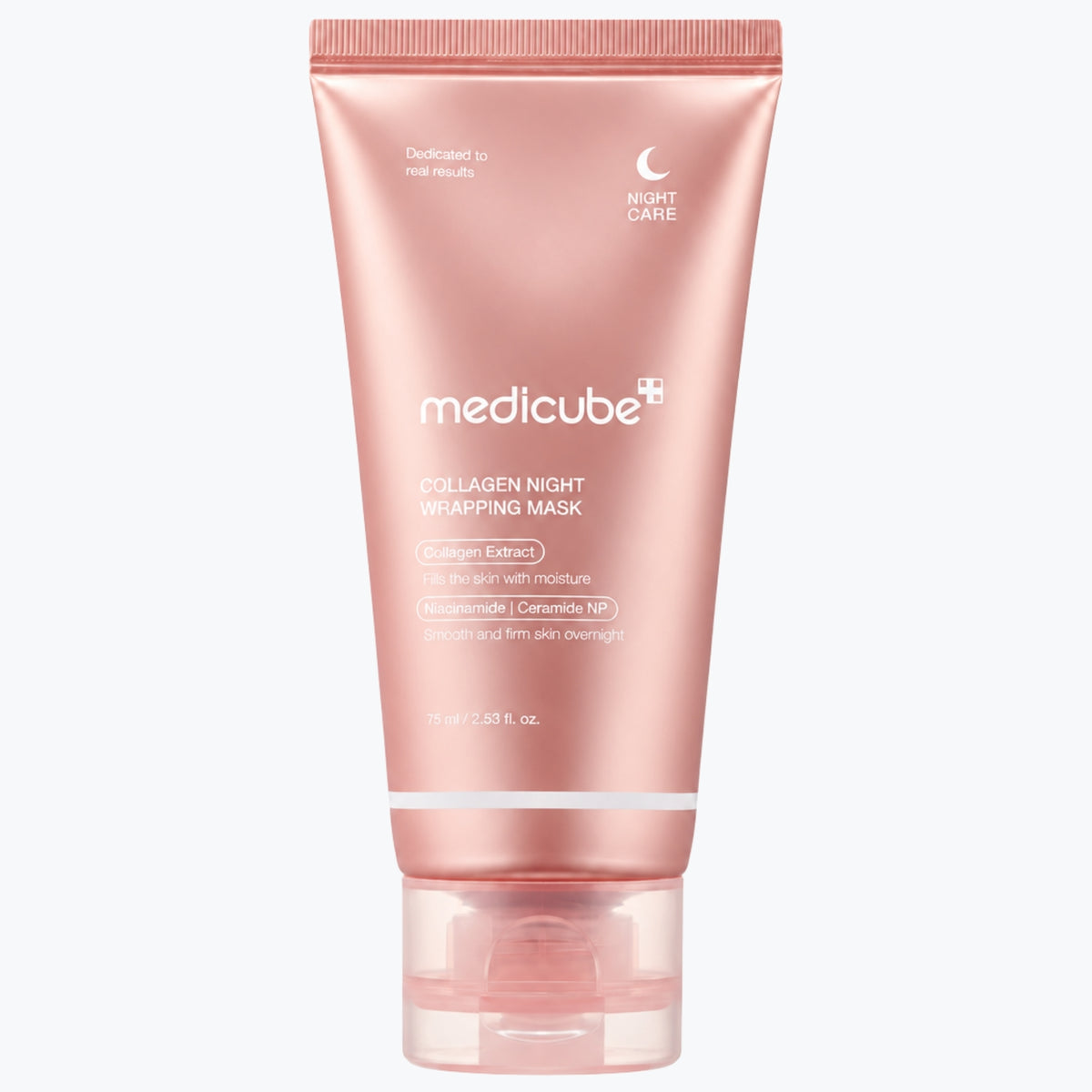
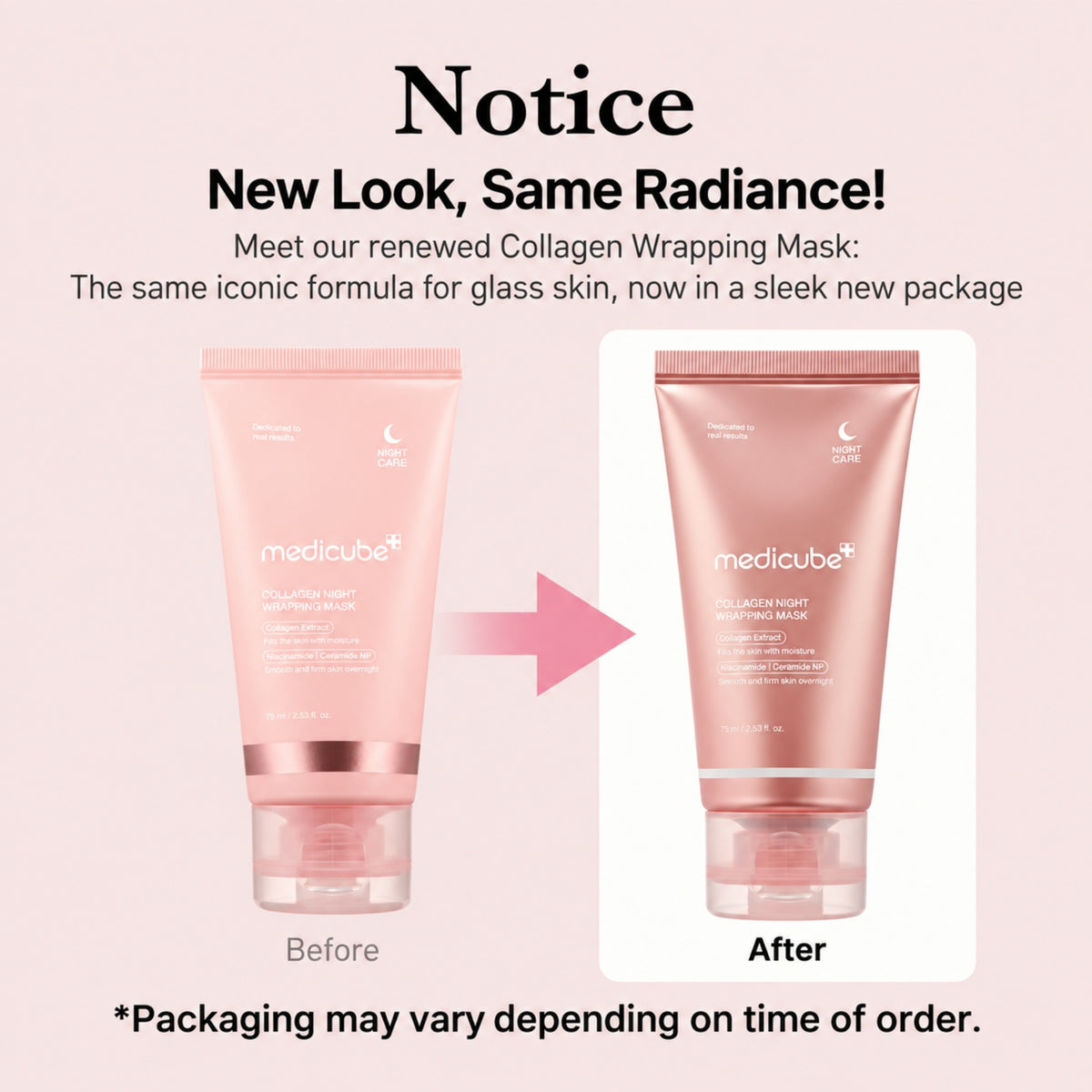
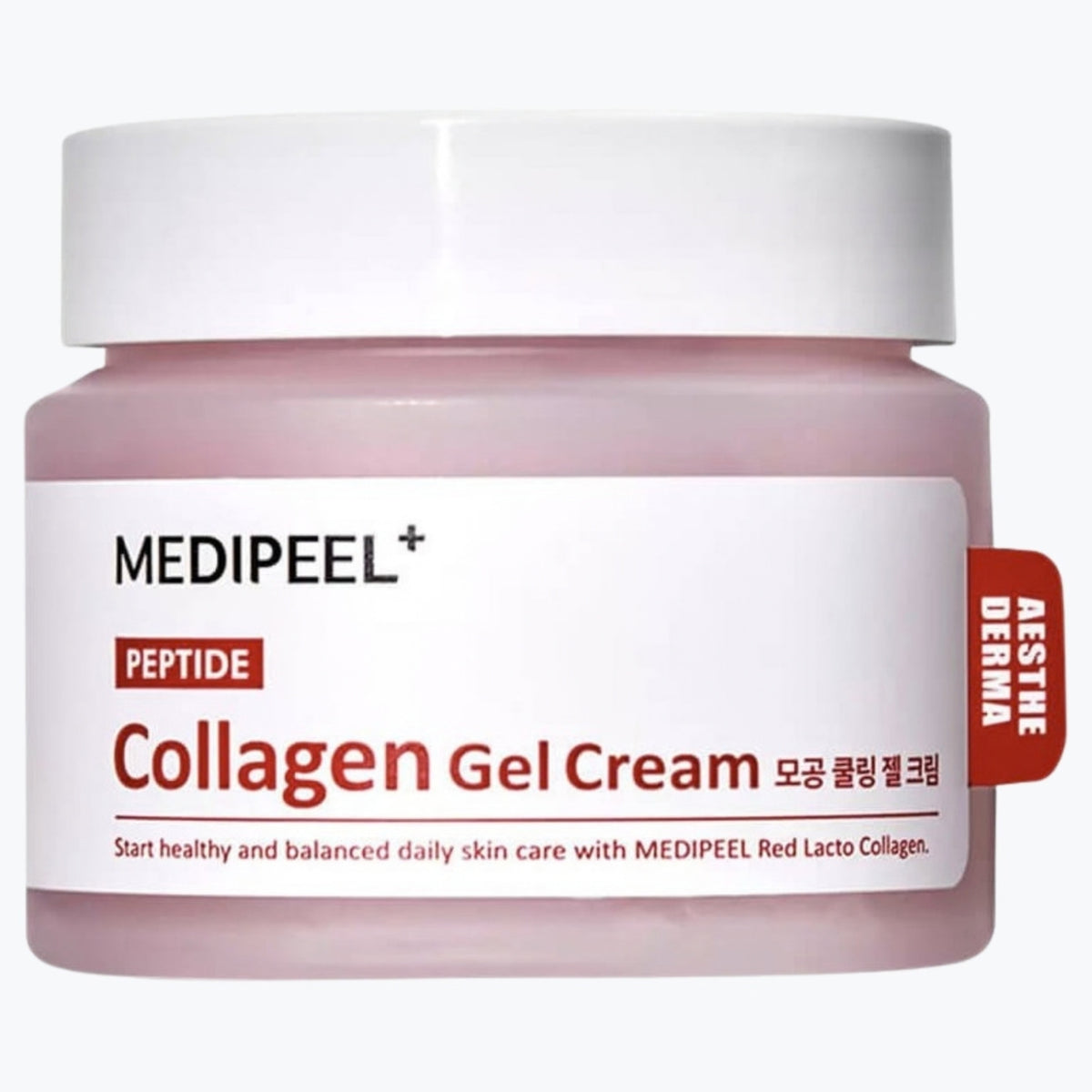
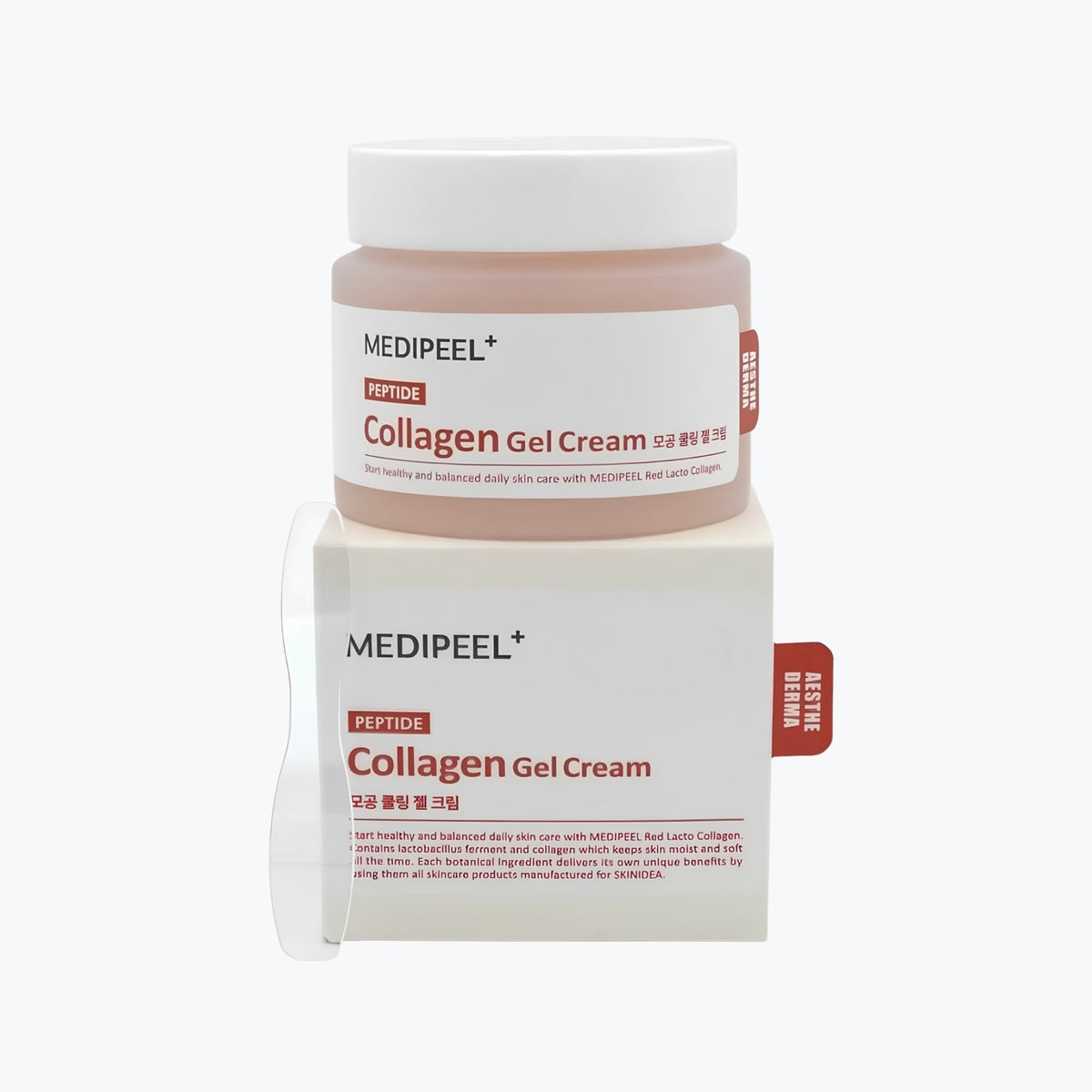
The collagen moleculeitself is too large to penetrate the skin when applied externally, which means that a cream labeled with collagen rarely adds collagen directly to the deeper skin layers. Instead, such products usually work by temporarily moisturizing the surface or by containing smaller peptide fragments that stimulate the skin's own collagen production. There is, therefore, a difference between adding collagen and stimulating the body to produce more of it itself, and the latter mechanism is the one that actually provides a lasting result over time.
The most common reason a good choice is dismissed prematurely
Several strong active ingredients at the same time, in the hope of significantly faster results, is the single most common path to disappointment in this category, closely followed by skipping sunscreen even though UV radiation is the single biggest cause of visible aging. Add to that unrealistic expectations of results within a few days instead of the months most anti-age ingredients actually require, and those who rule out a product simply because it comes from a tradition other than the one they are used to, rather than actually reading the ingredient list, often miss out on the best option for their specific skin.
Two traditions, one and the same assortment
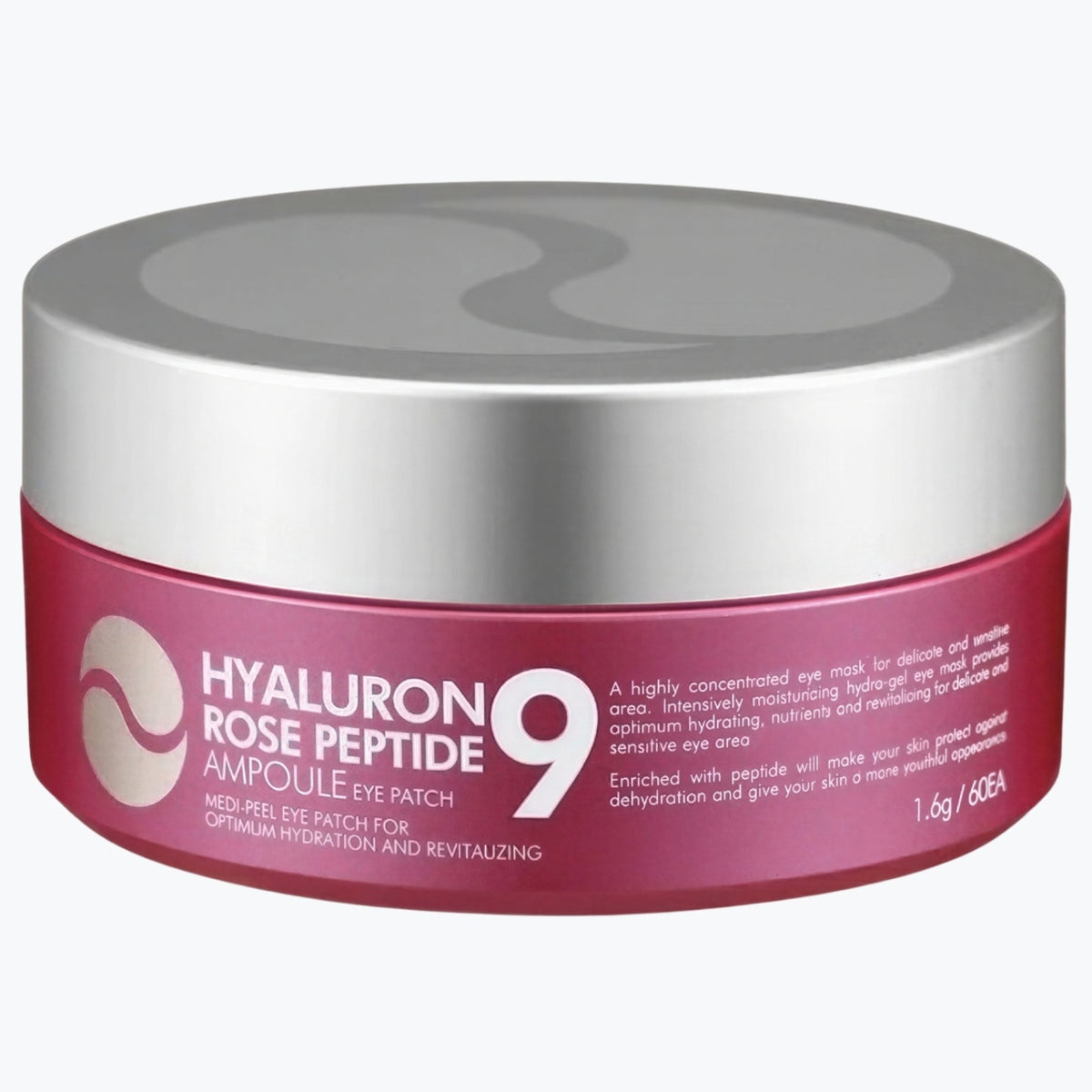
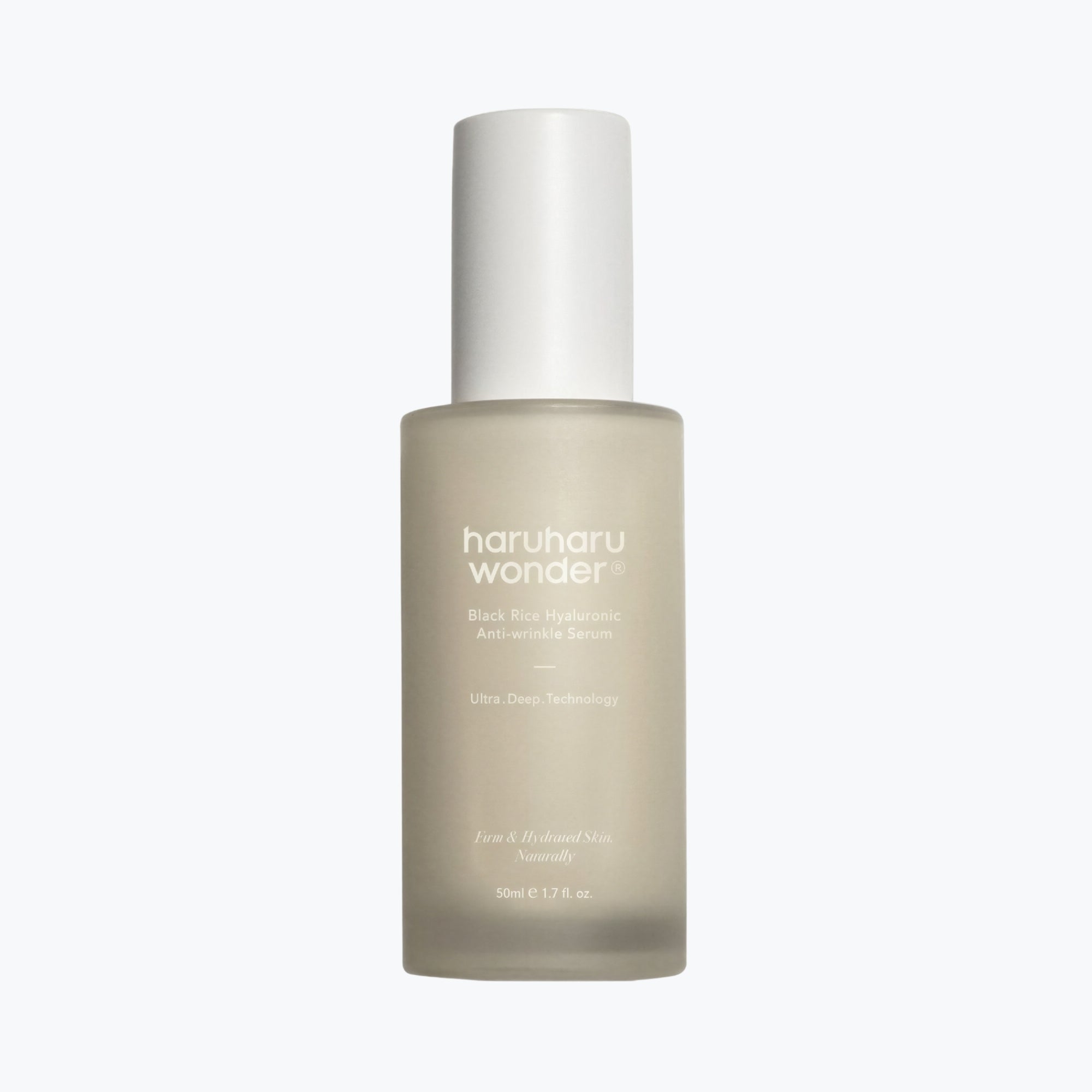
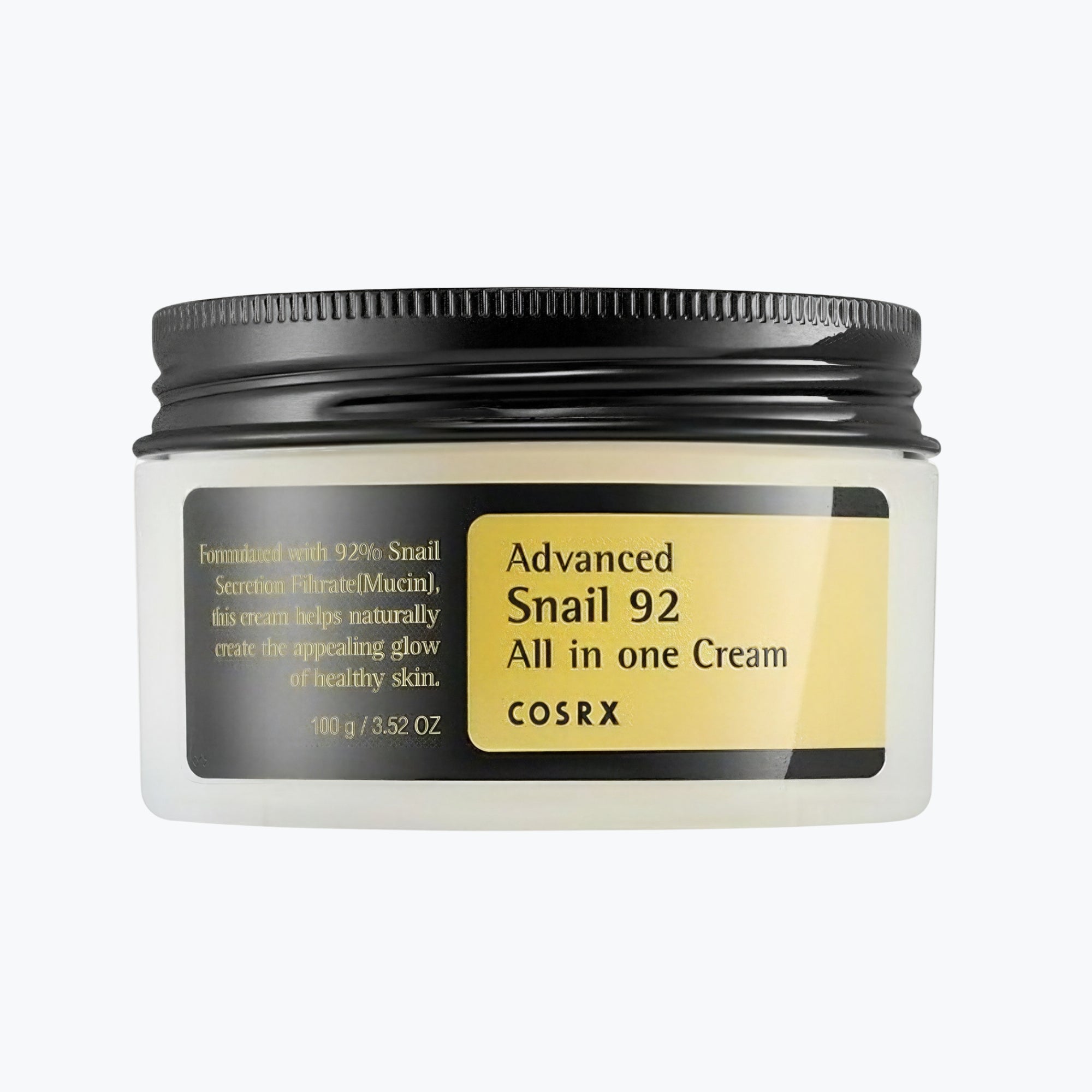
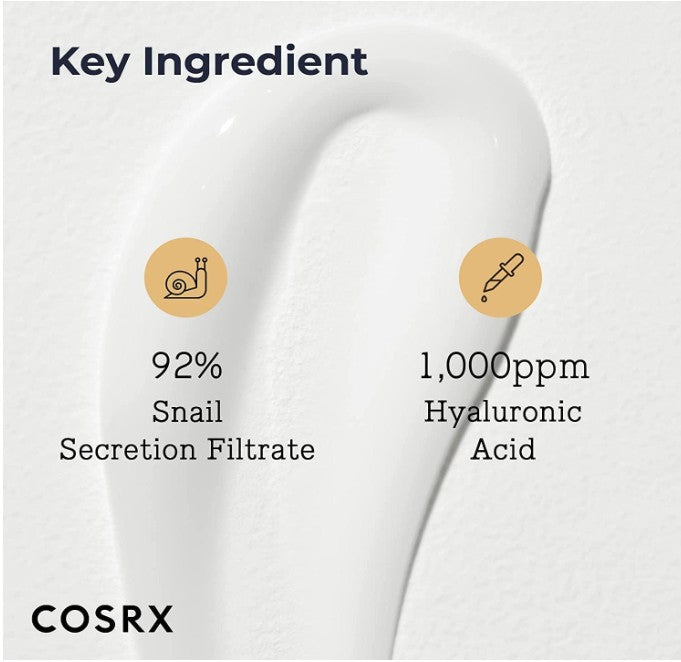
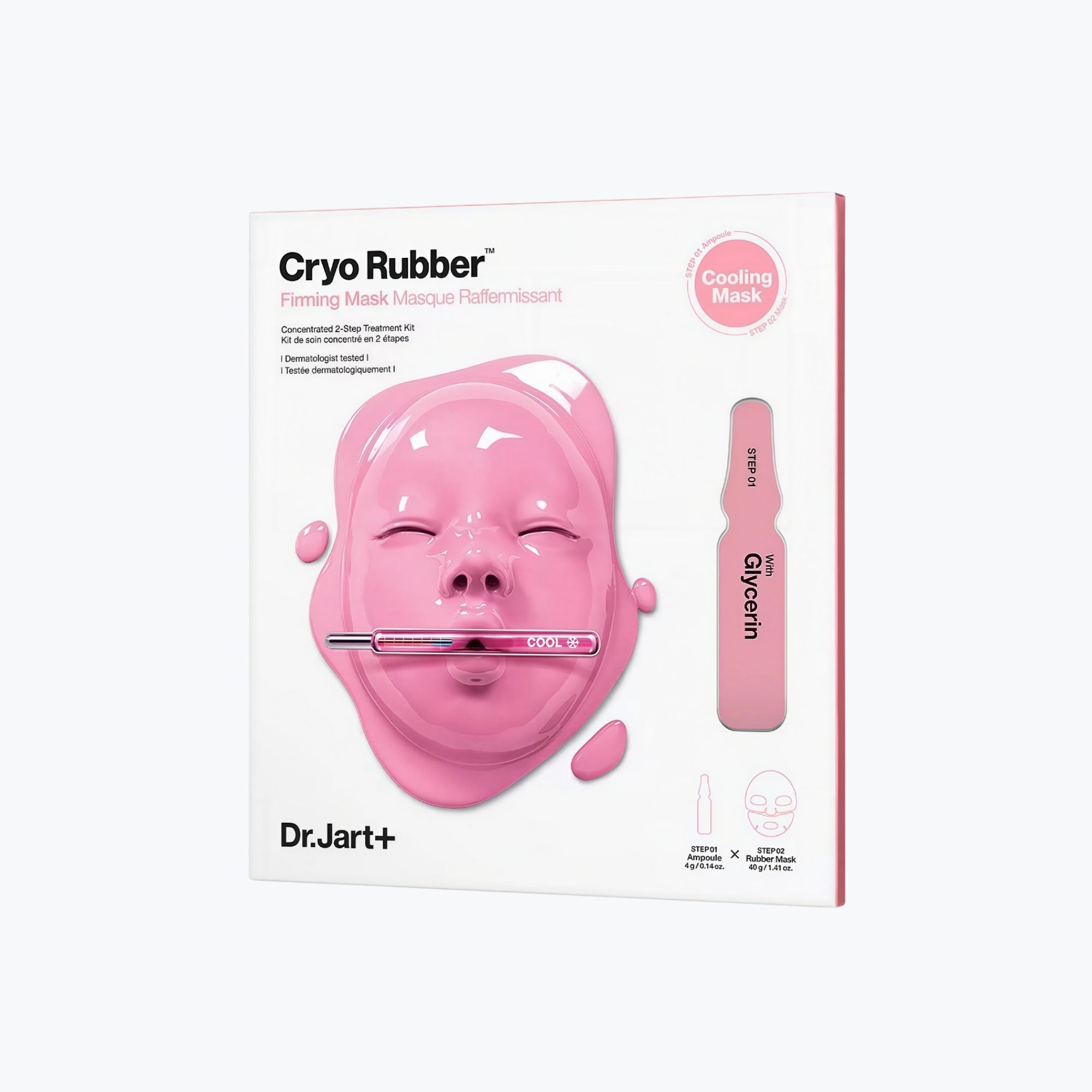
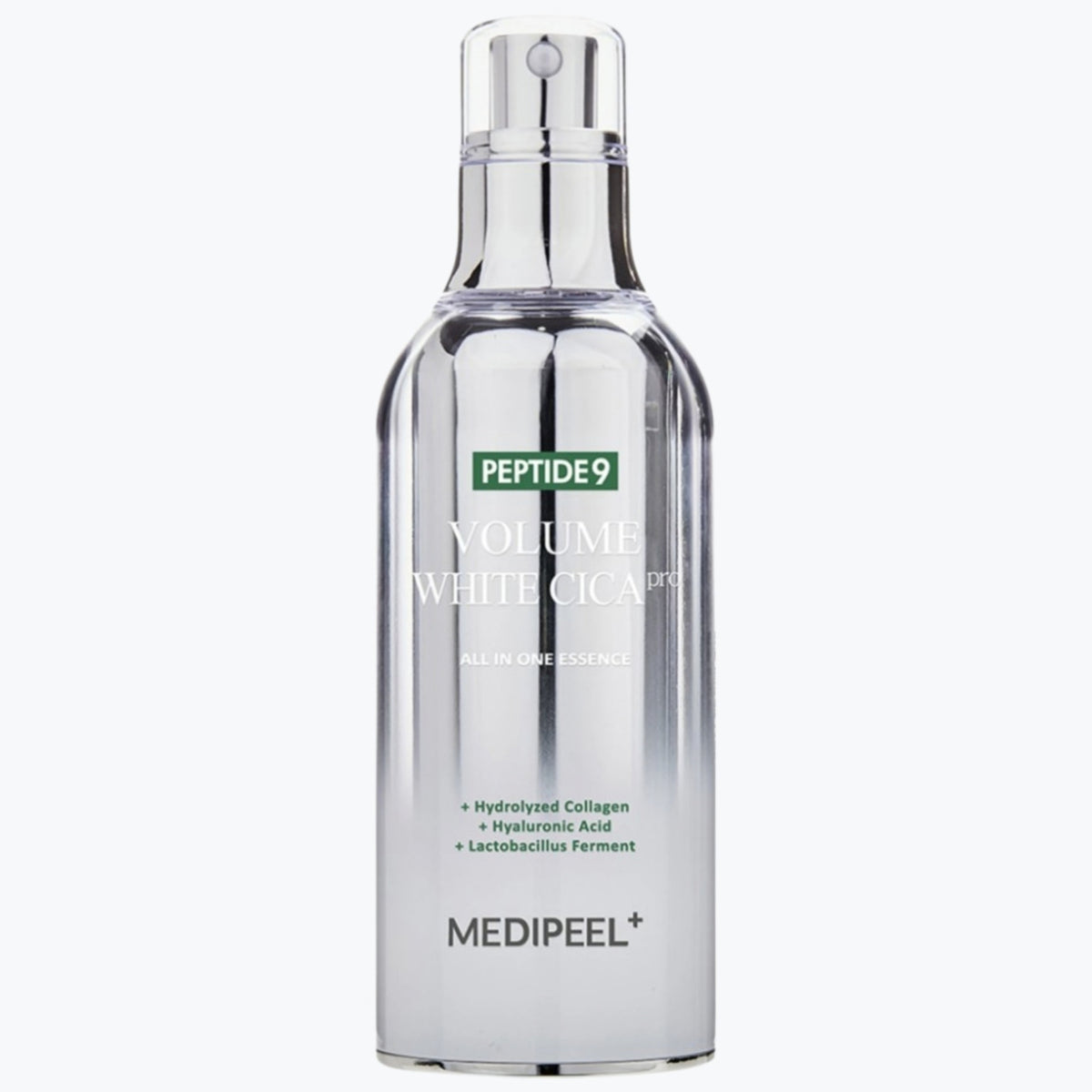
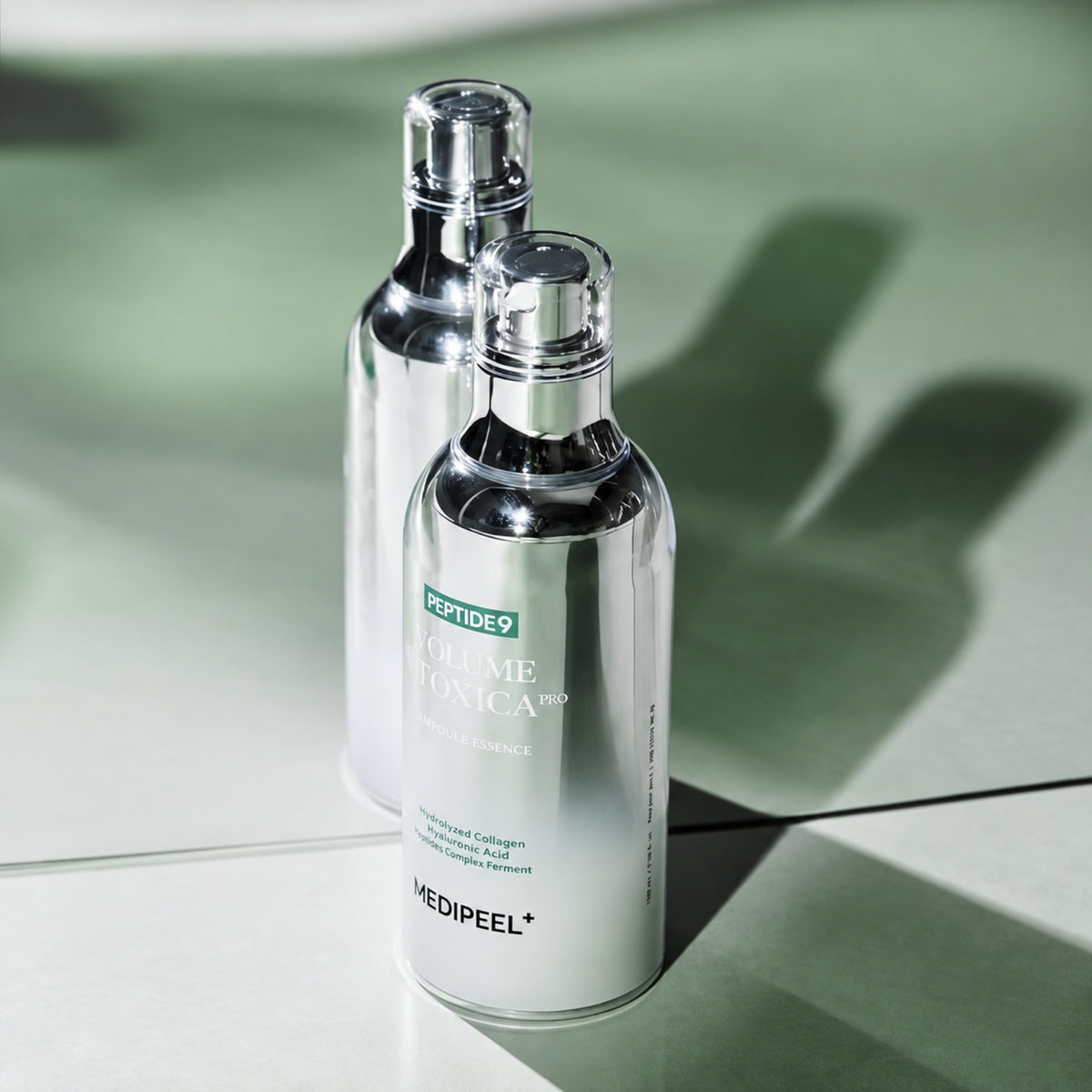
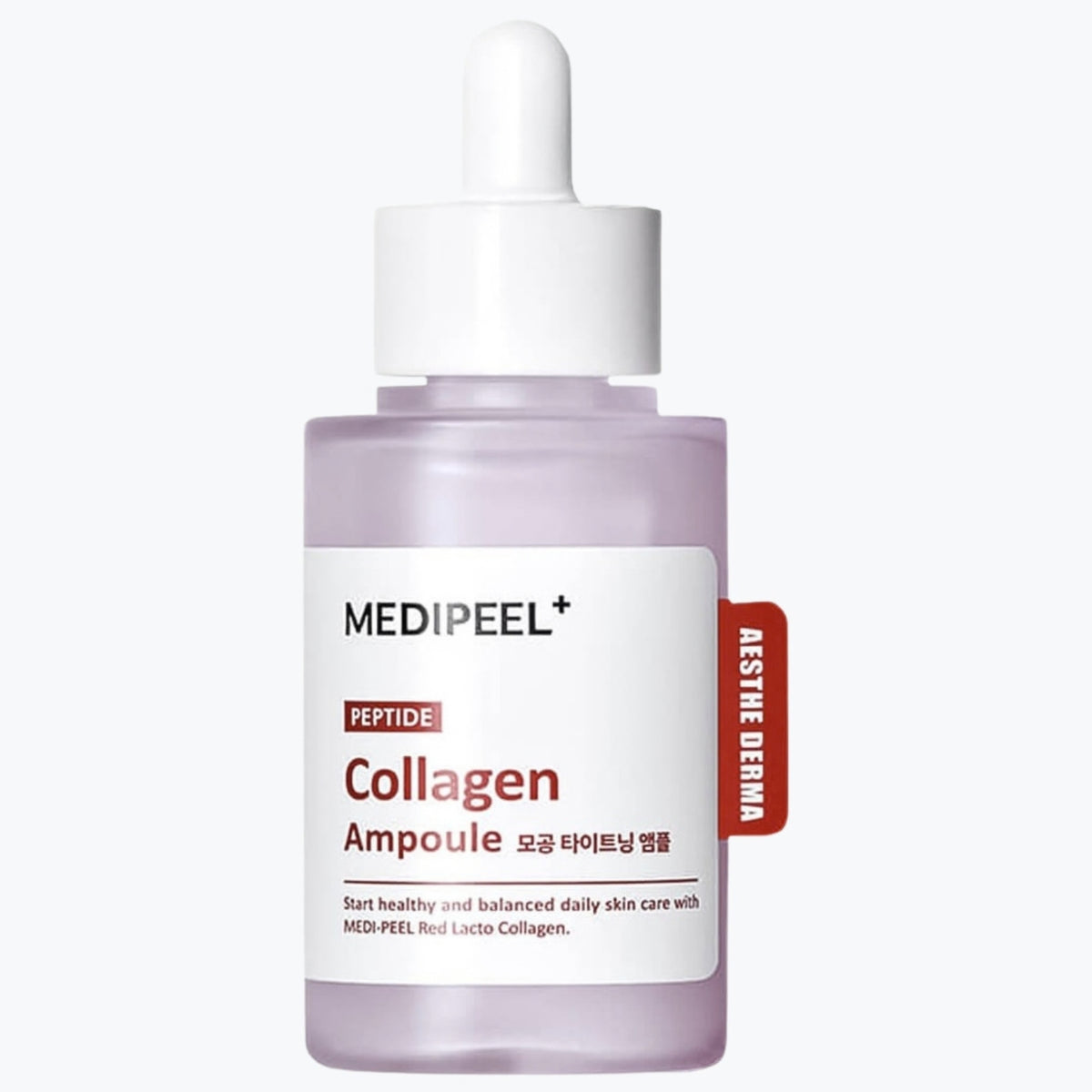
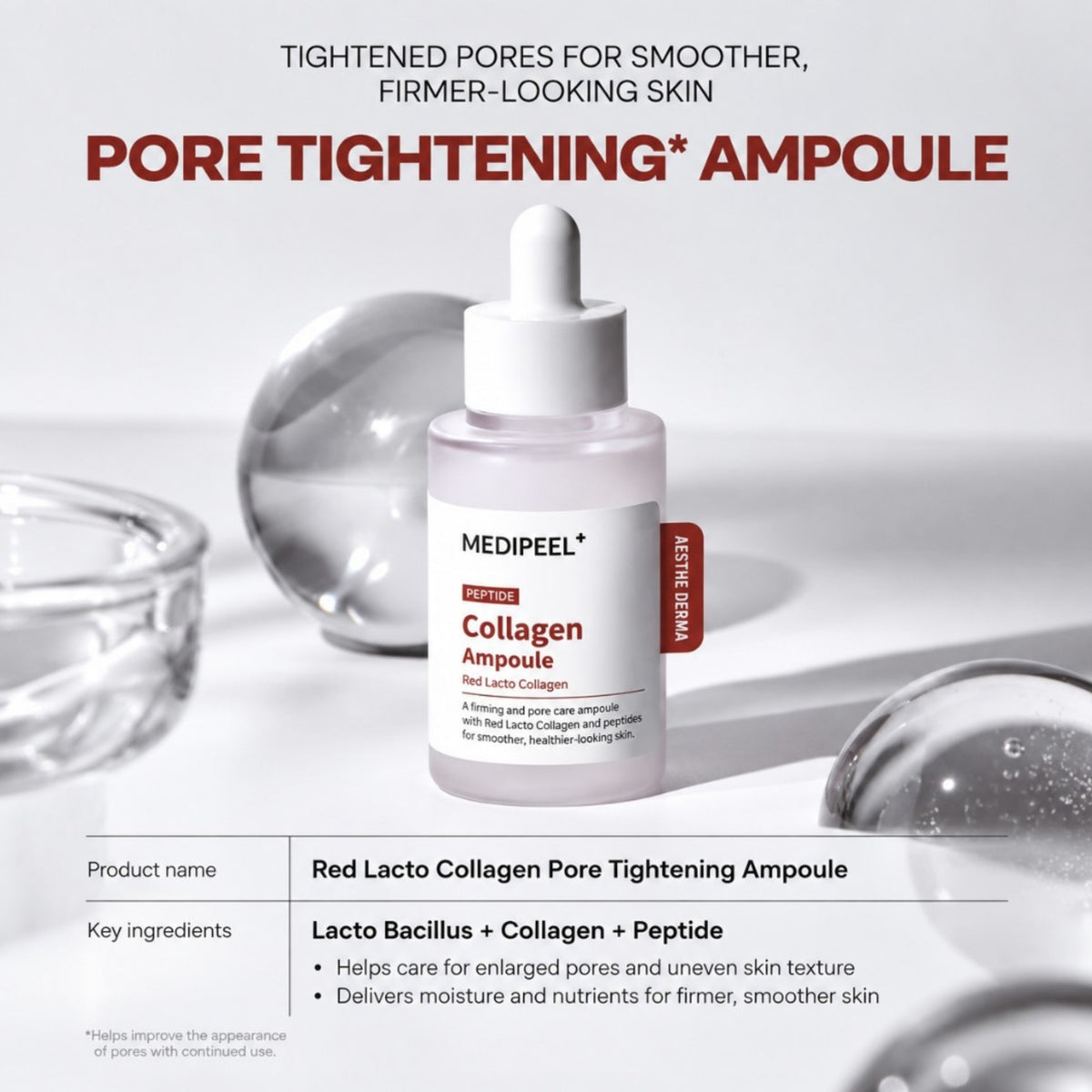
From the biotech-heavy, Korean side are Beauty of Joseon Red Bean PDRN Pore Elasticity Serum, MEDIPEEL Red Lacto Collagen Tightening Ampouleand Haruharu Wonder Black Rice Bakuchiol Eye Cream, together with more established Korean formulas such as COSRX Advanced Snail 92 All In One Day Creamand Dr.Jart+ Cryo Rubber Firming Mask. The international, more tradition-heavy side is represented by Shiseido Future Solution LX Total Radiance, built on decades of Japanese skin research, and it Cosmetics Your Skin But Better CC+ Cream SPF50+, which combines skincare, sun protection and light coverage in one and the same product.
If you are new to active anti-age skincare, start with a milder ingredient like peptidesor adenosinerather than going straight for strong retinol. If your skin is already used to retinol and you are looking for the next step, newer biotechnological ingredients like PDRNmay be well worth exploring next. Regardless of your choice, expect at least eight to twelve weeks of consistent use before the result becomes clearly visible, and never let sun protection be the step that is prioritized away on a morning when time is suddenly short.
