















Why oily skin overproduces sebum
Sebum is not the enemy. It is a natural oil that protects the skin and keeps it supple, and a certain amount is healthy for all skin types. Problems arise when production becomes excessive, often as a direct reaction to aggressive cleansing, over-exfoliation, or skincare that skips hydration entirely in the belief that oily skin doesn't need it.
When the skin feels dehydrated, it fights back with even more sebum to compensate. This is the reason why so many people with oily skin get stuck in a cycle of stripping products and persistent shine, year after year, without getting anywhere.
Build a routine that actually breaks the cycle
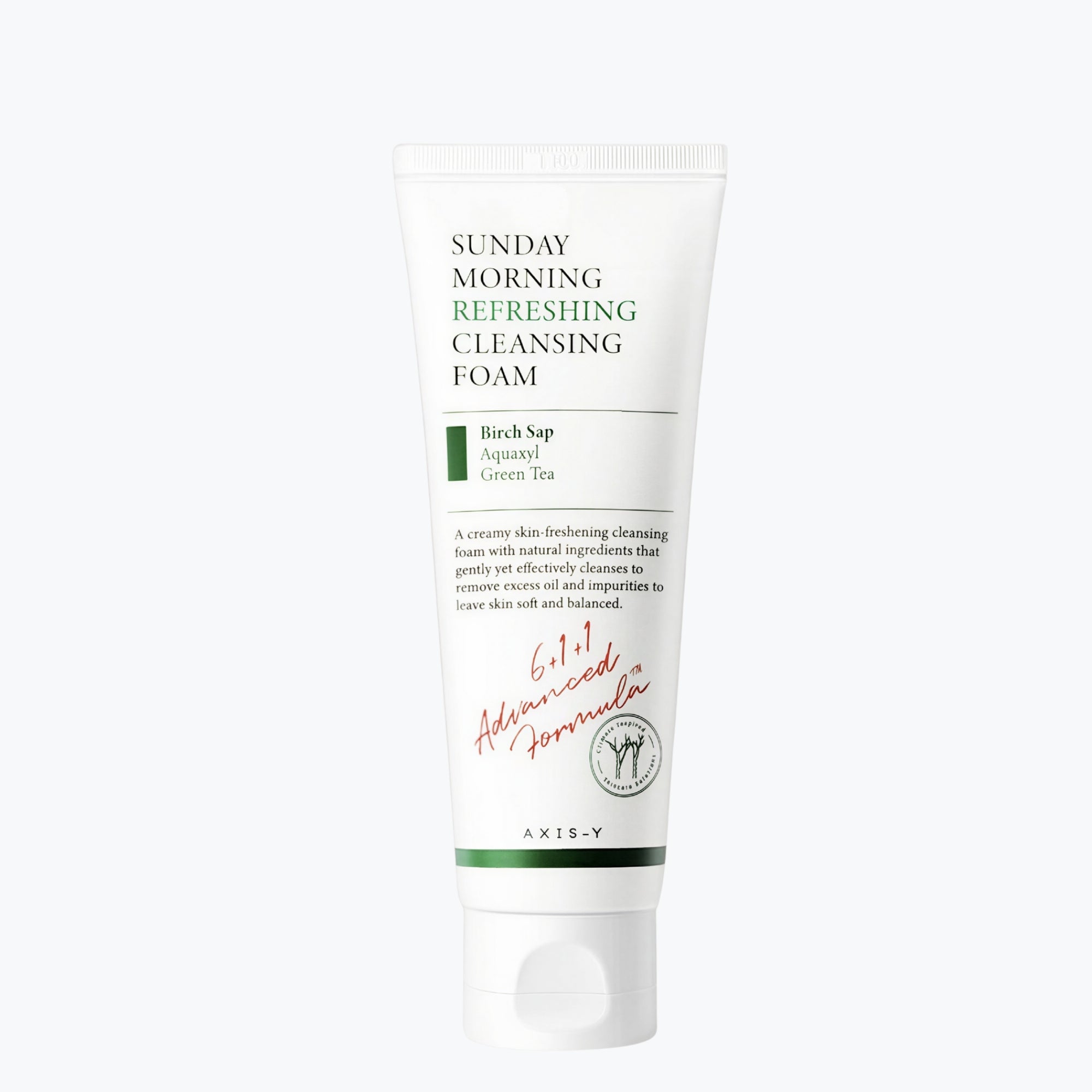
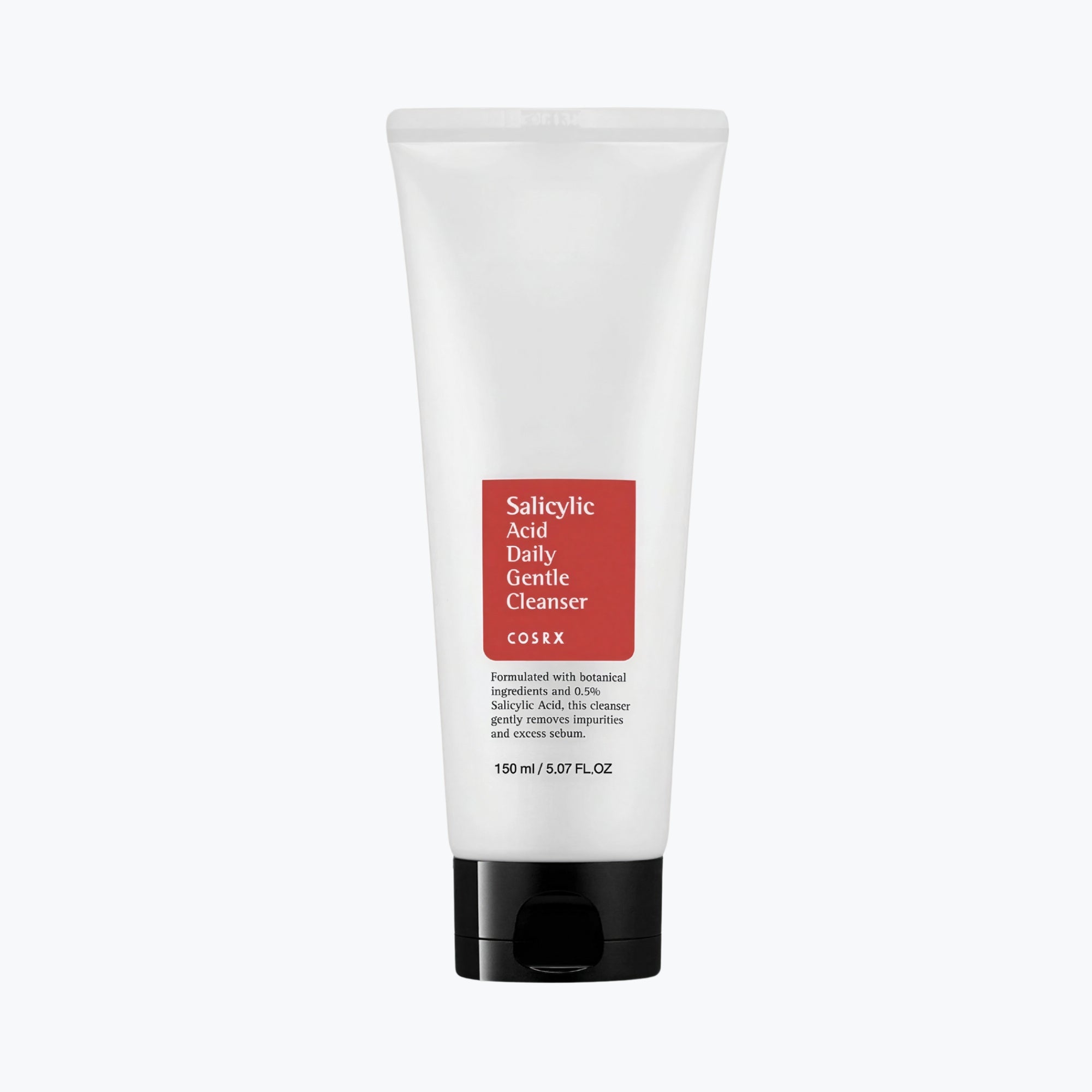
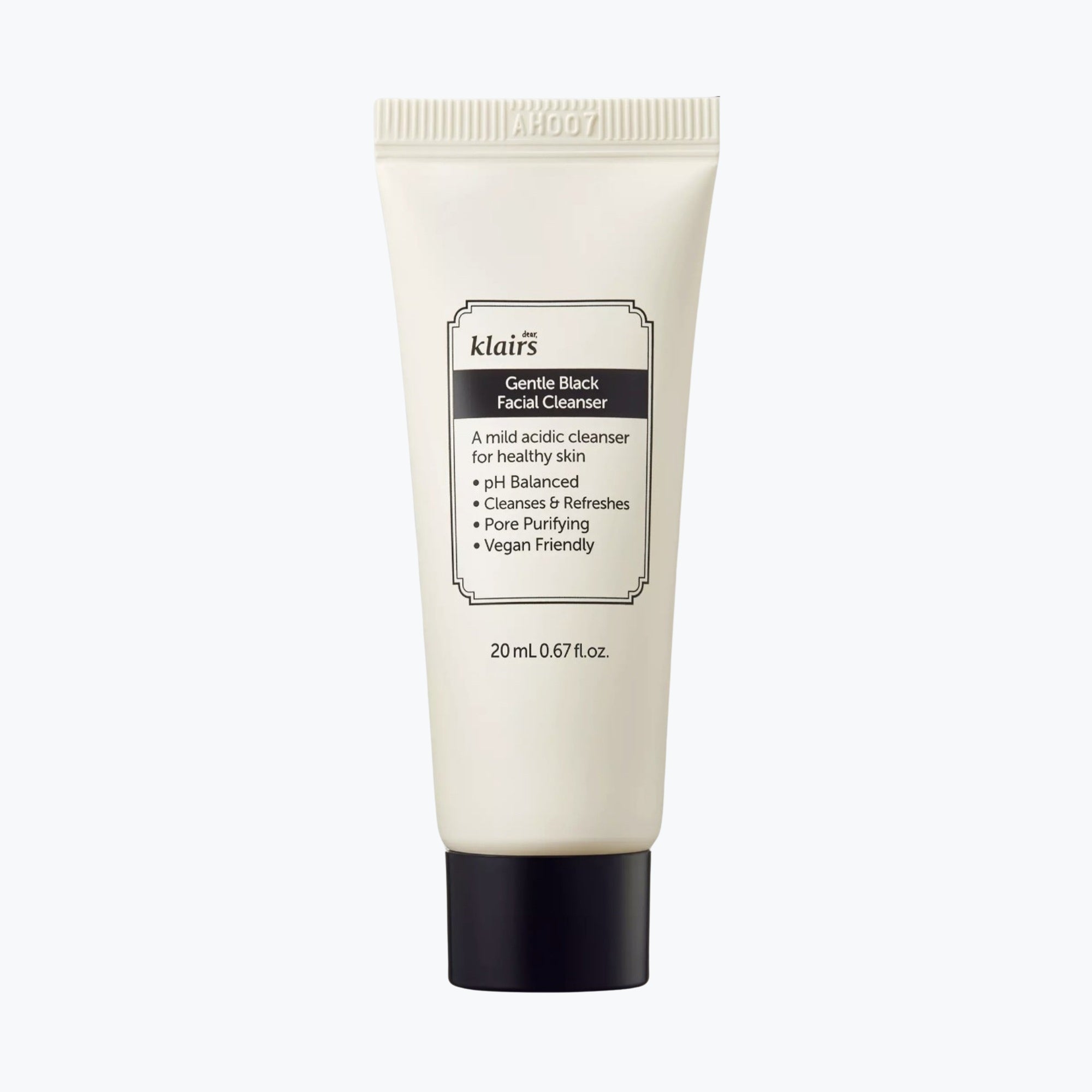
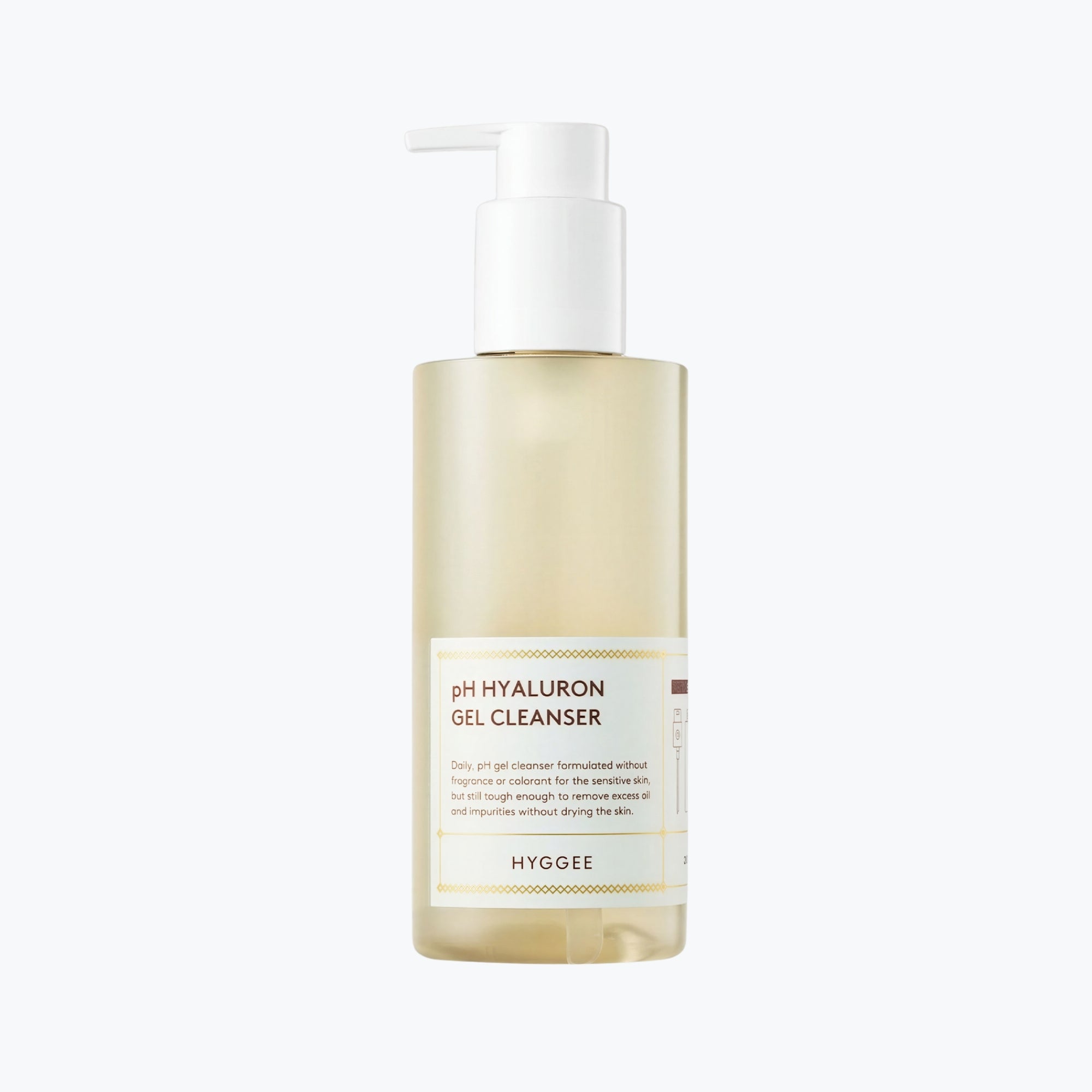
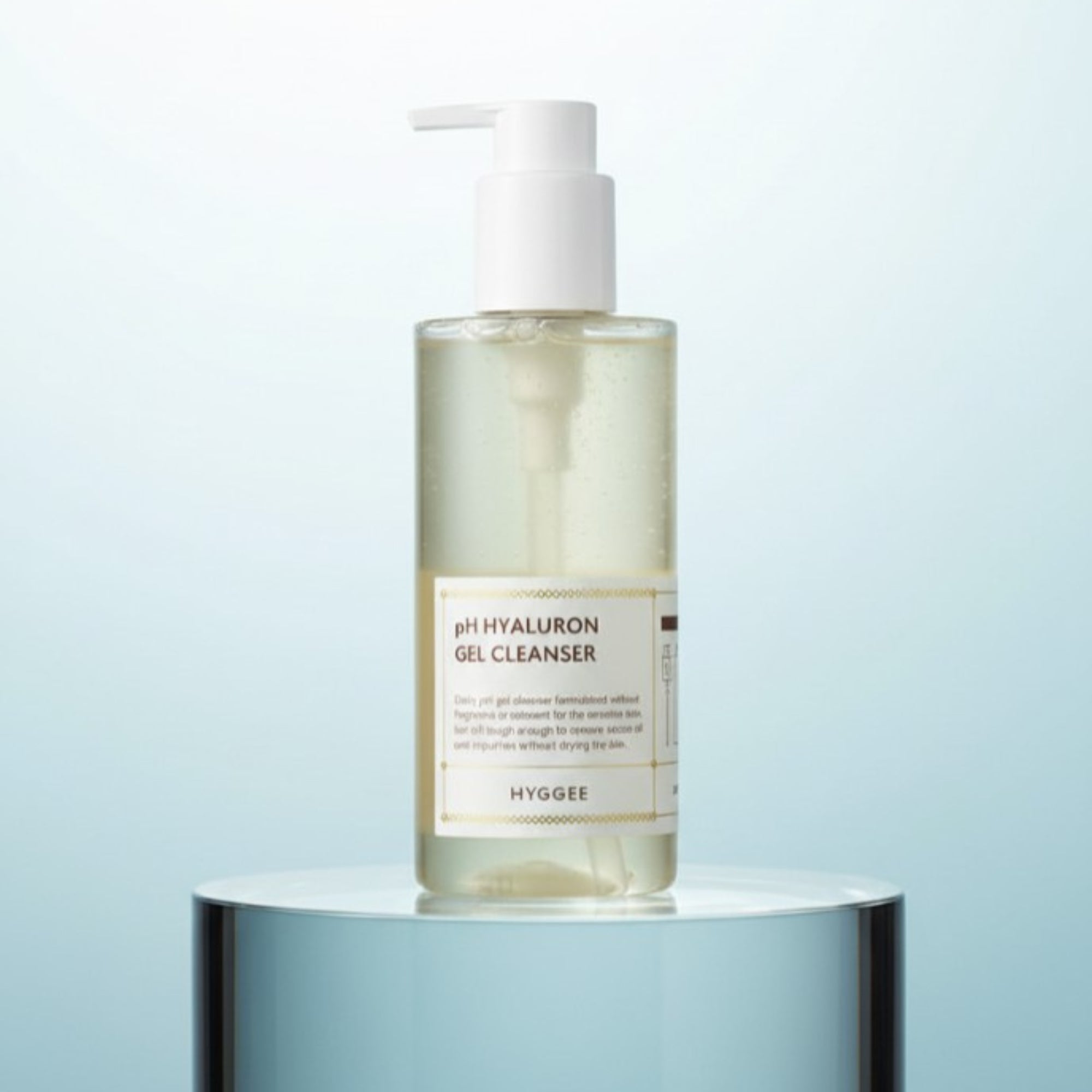
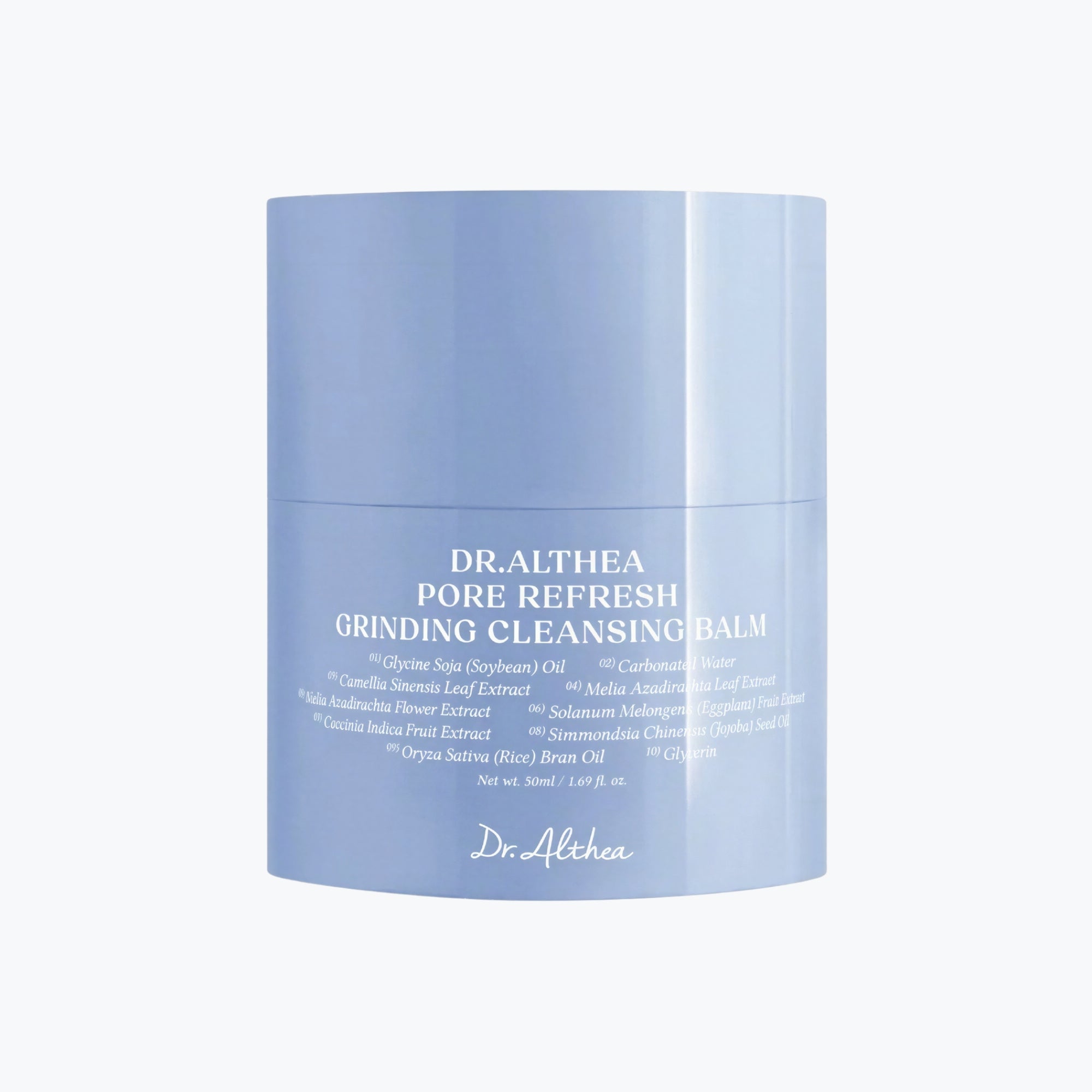
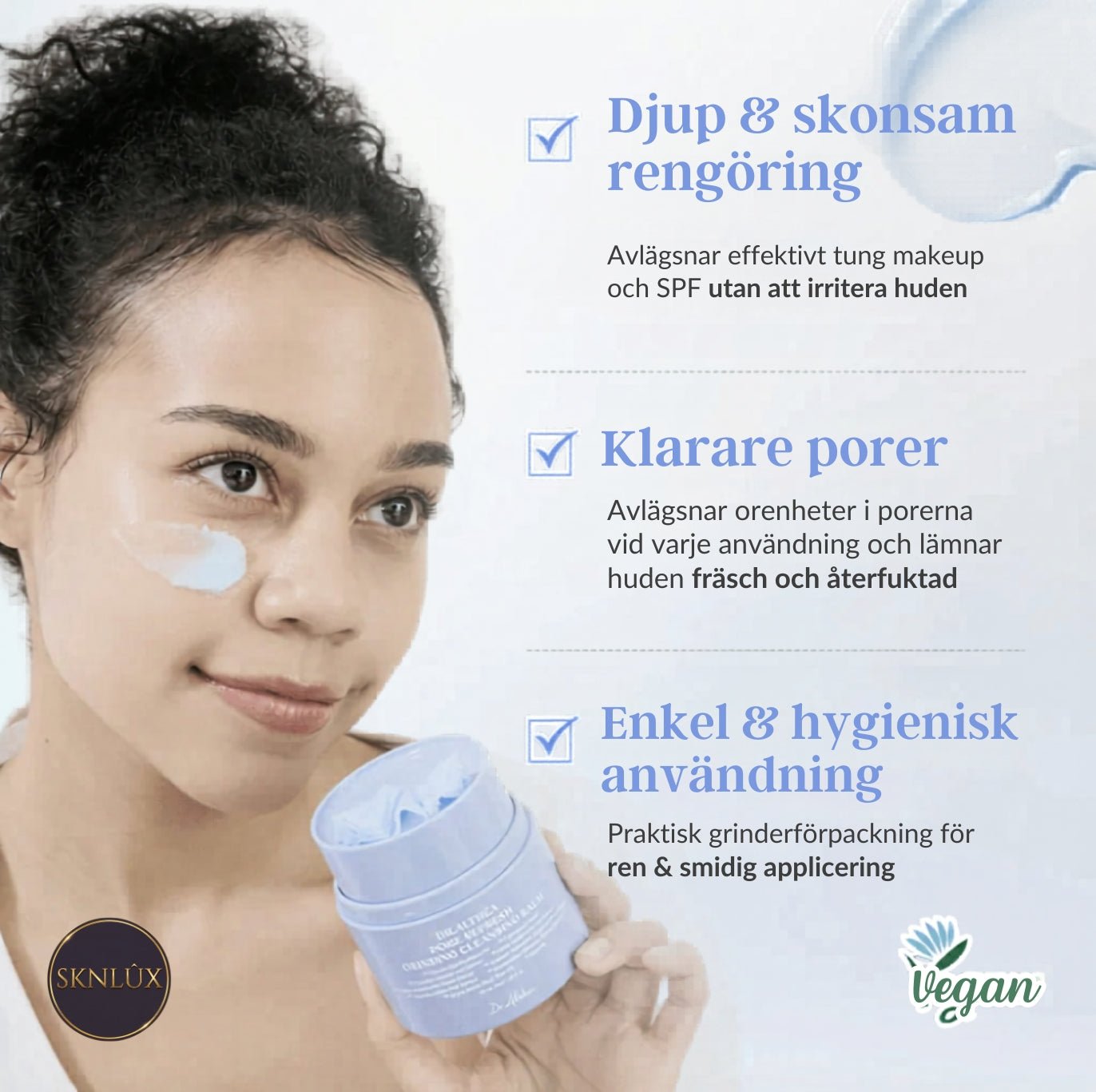
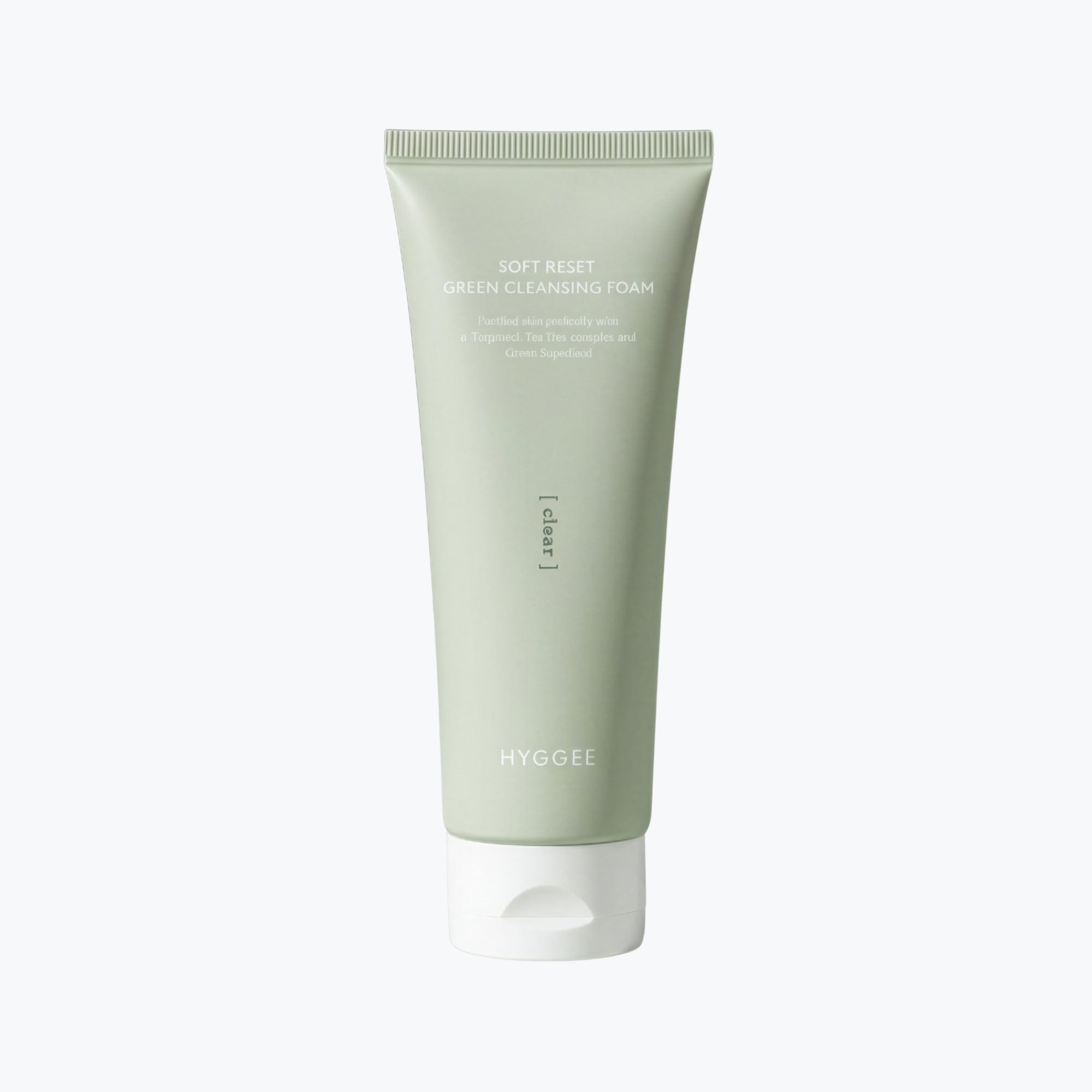
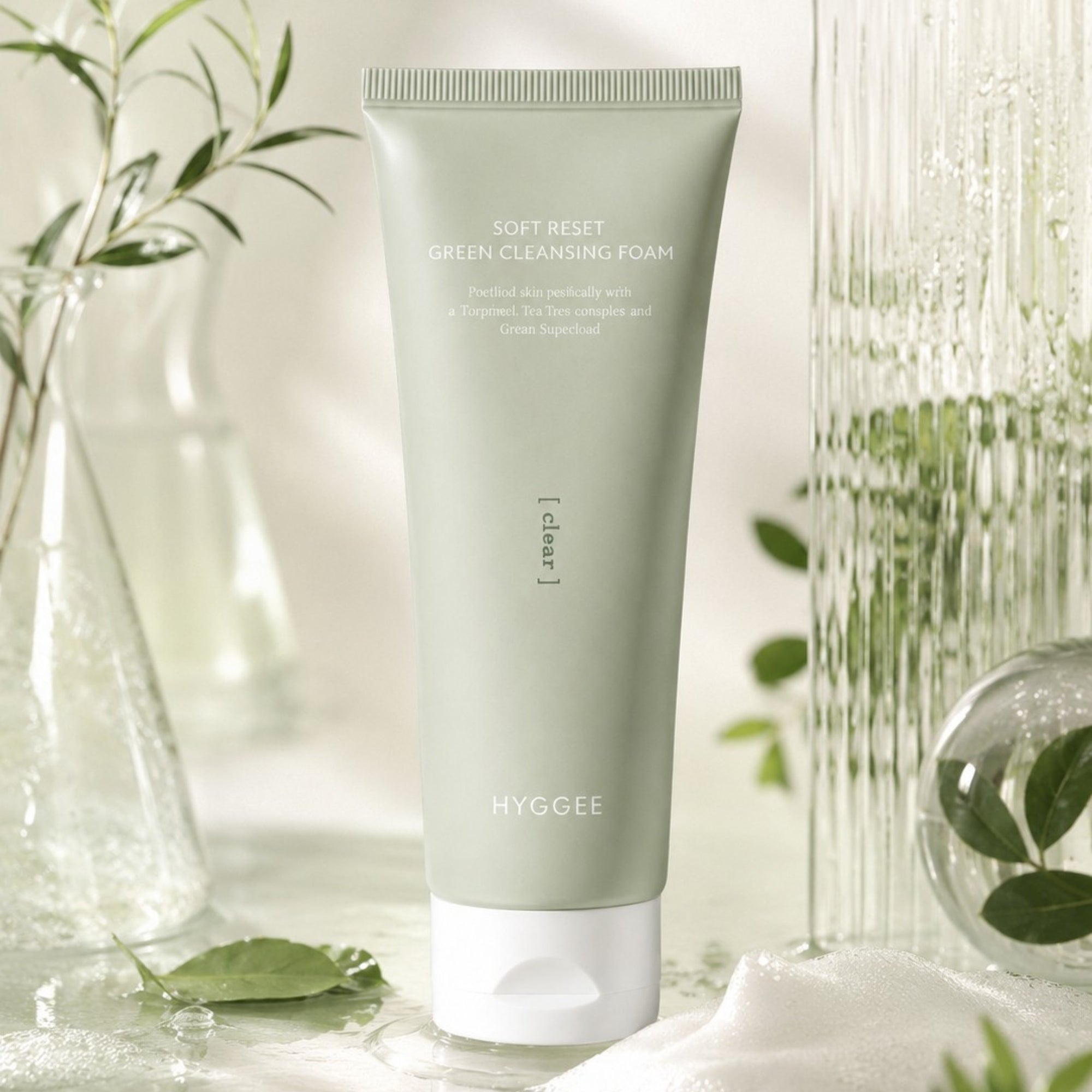
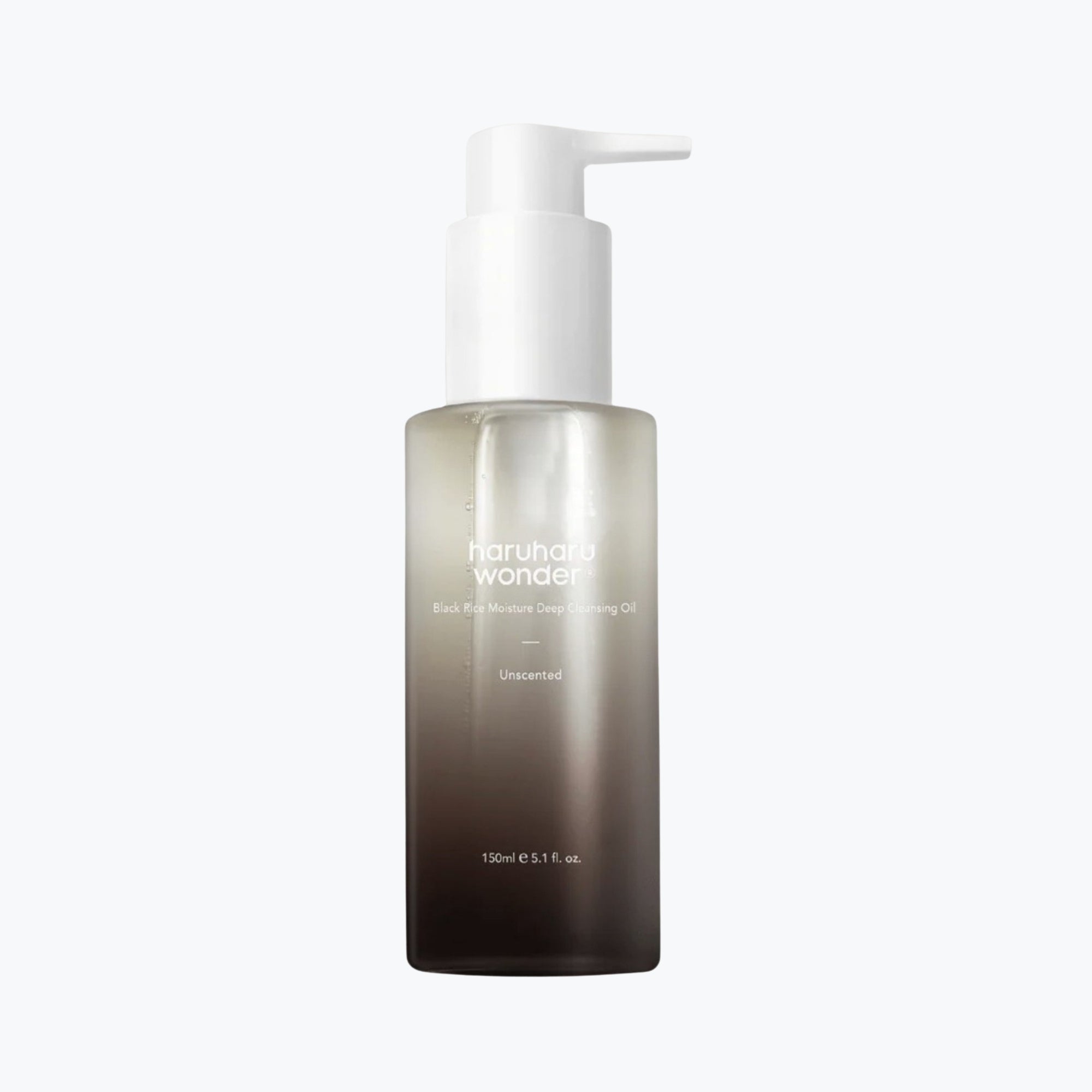
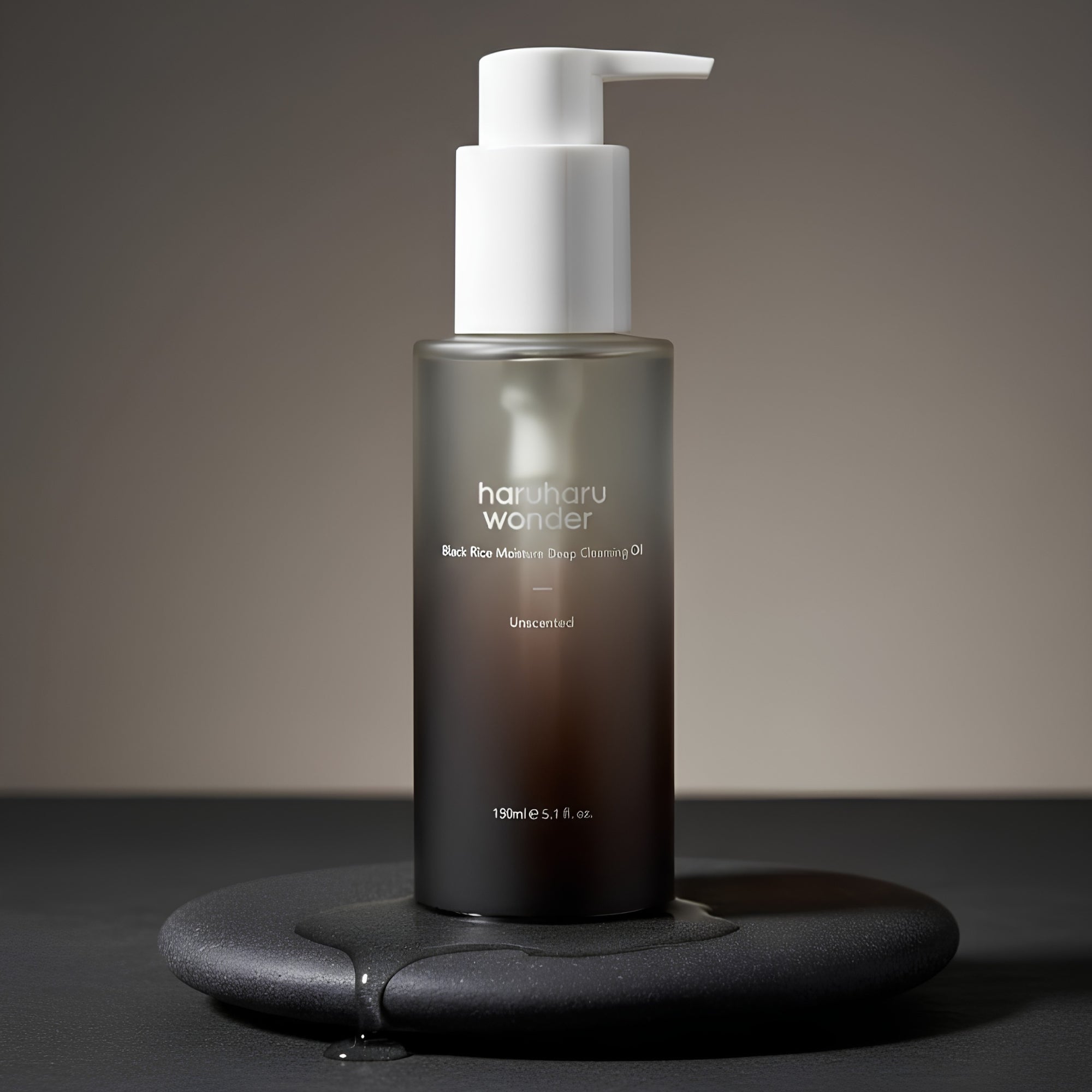
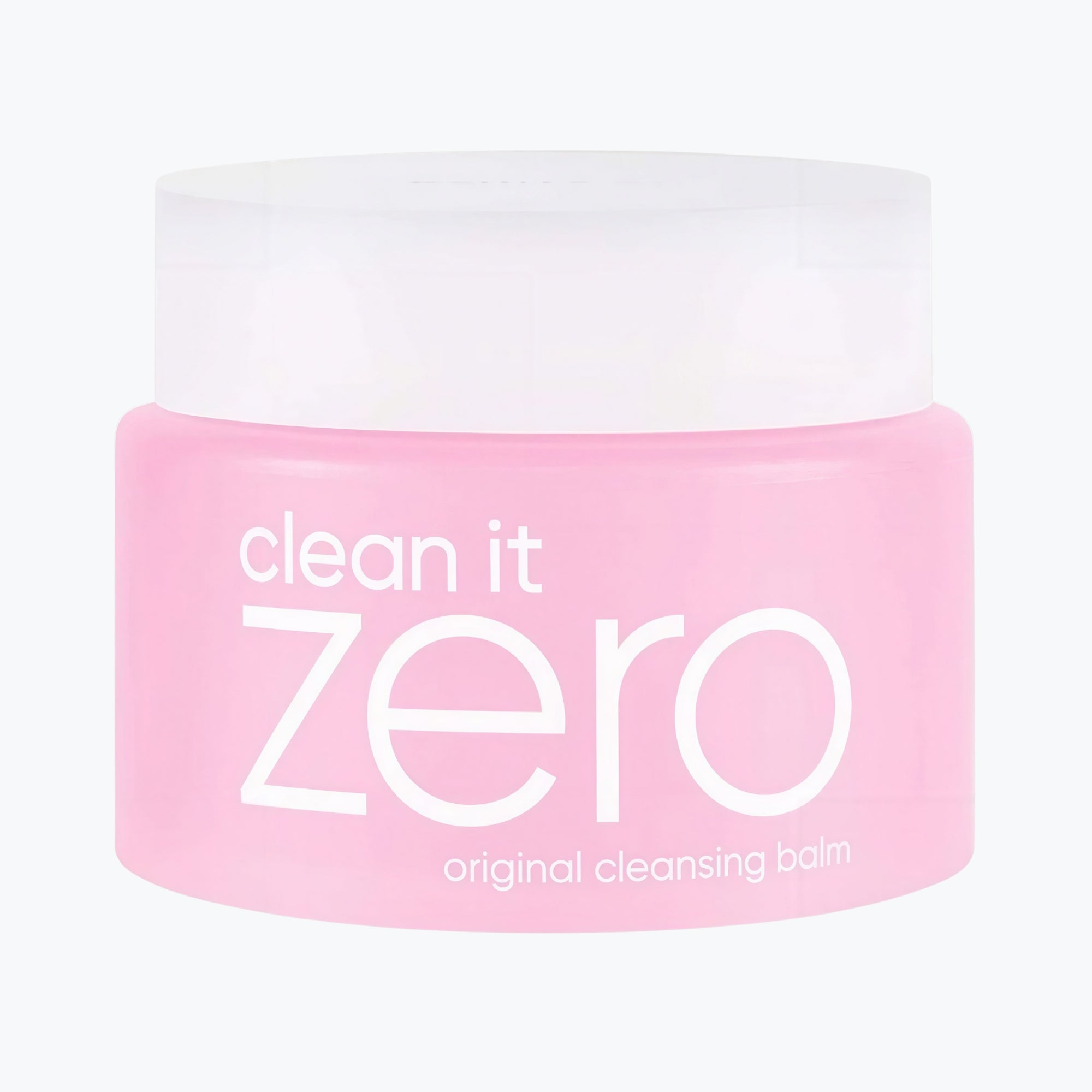
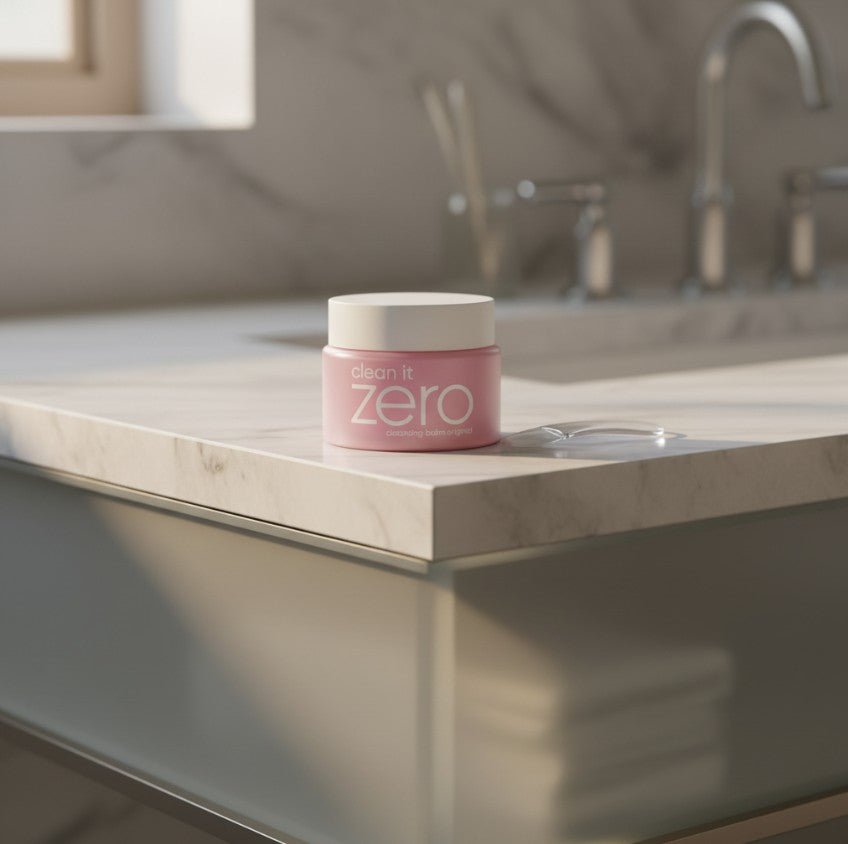
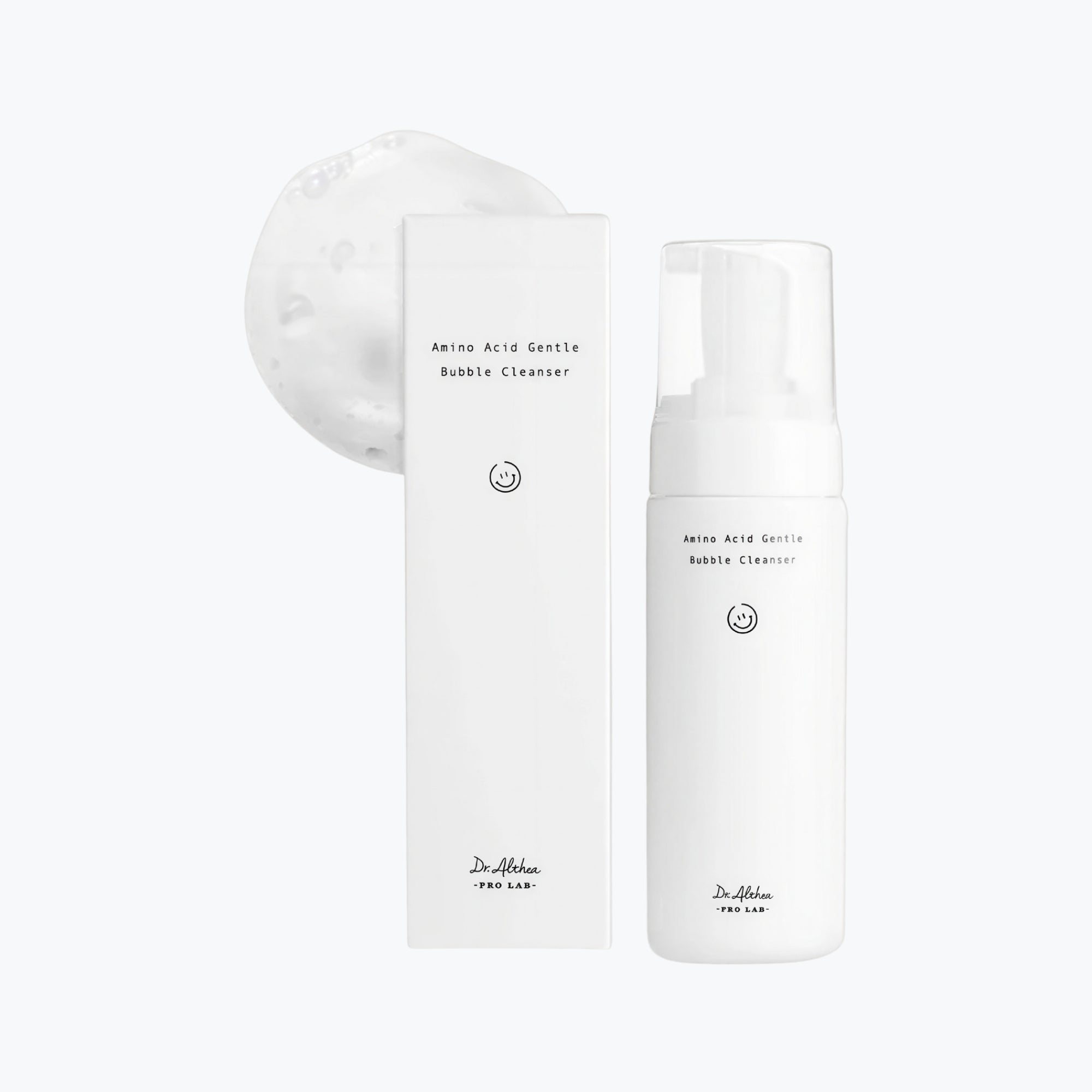
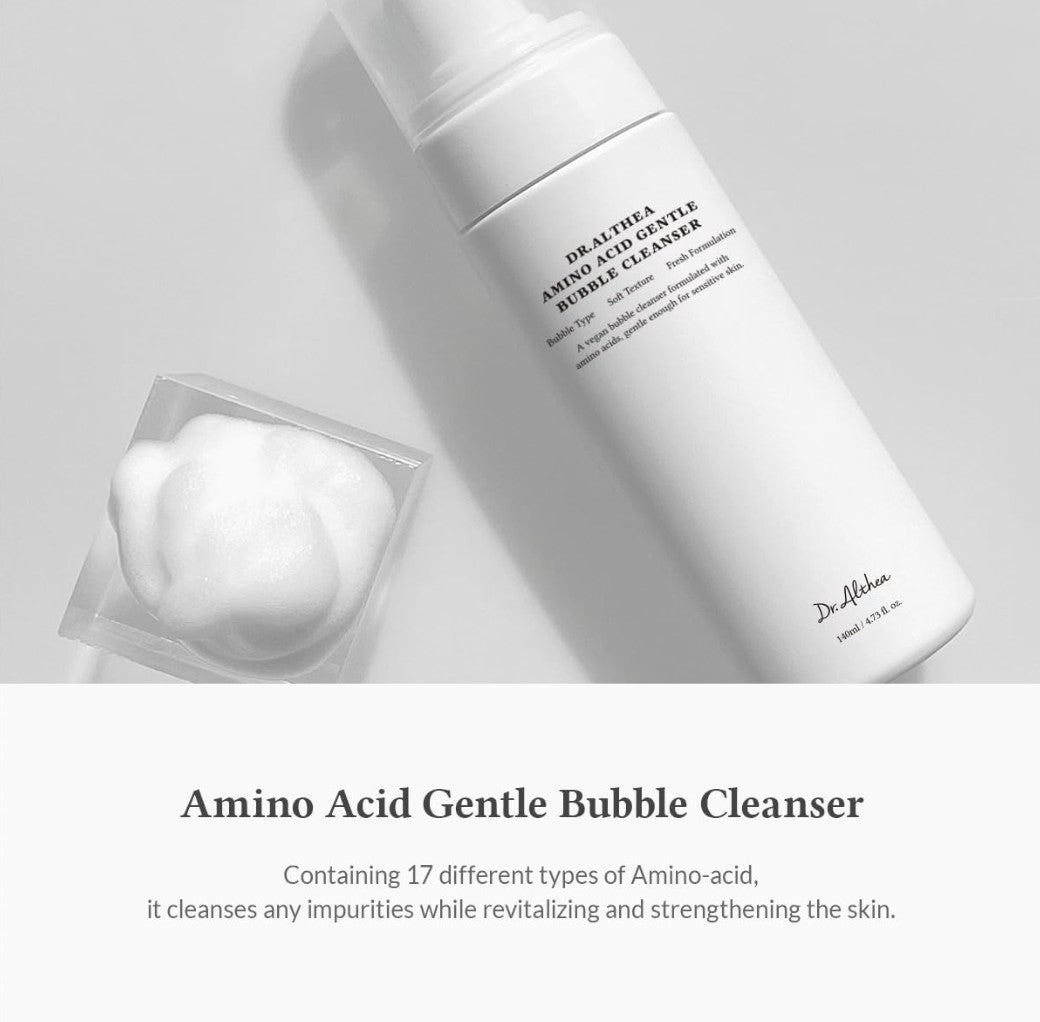
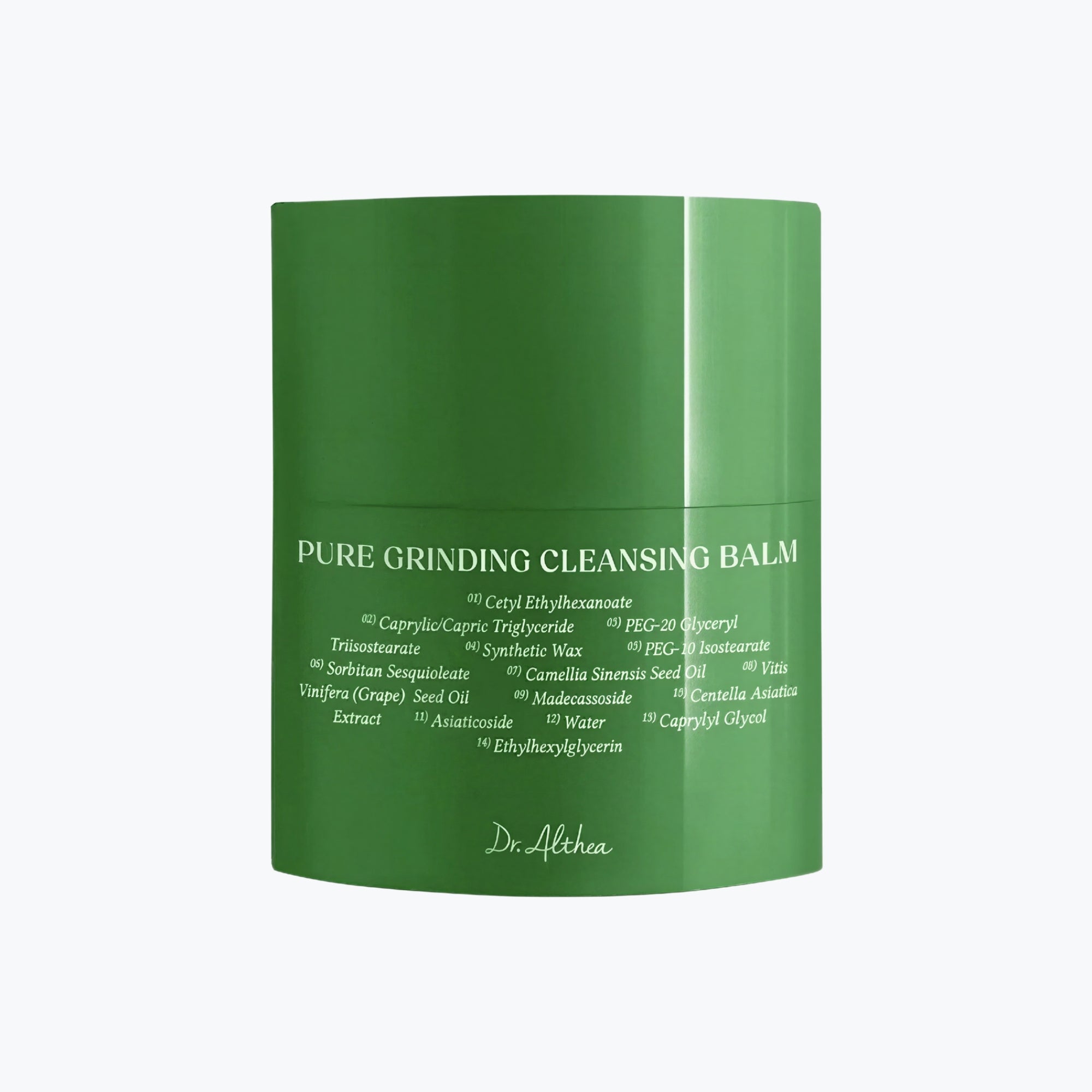
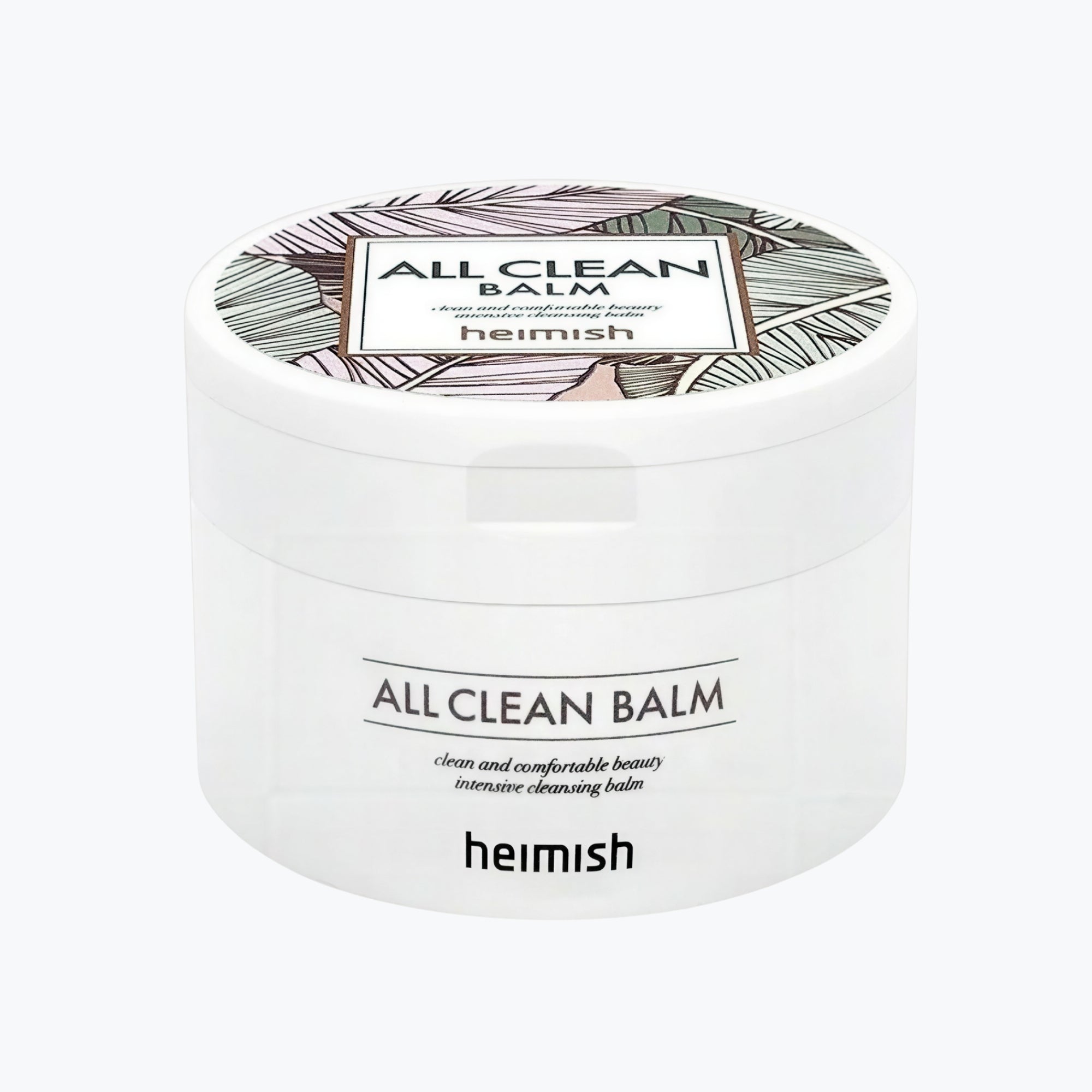
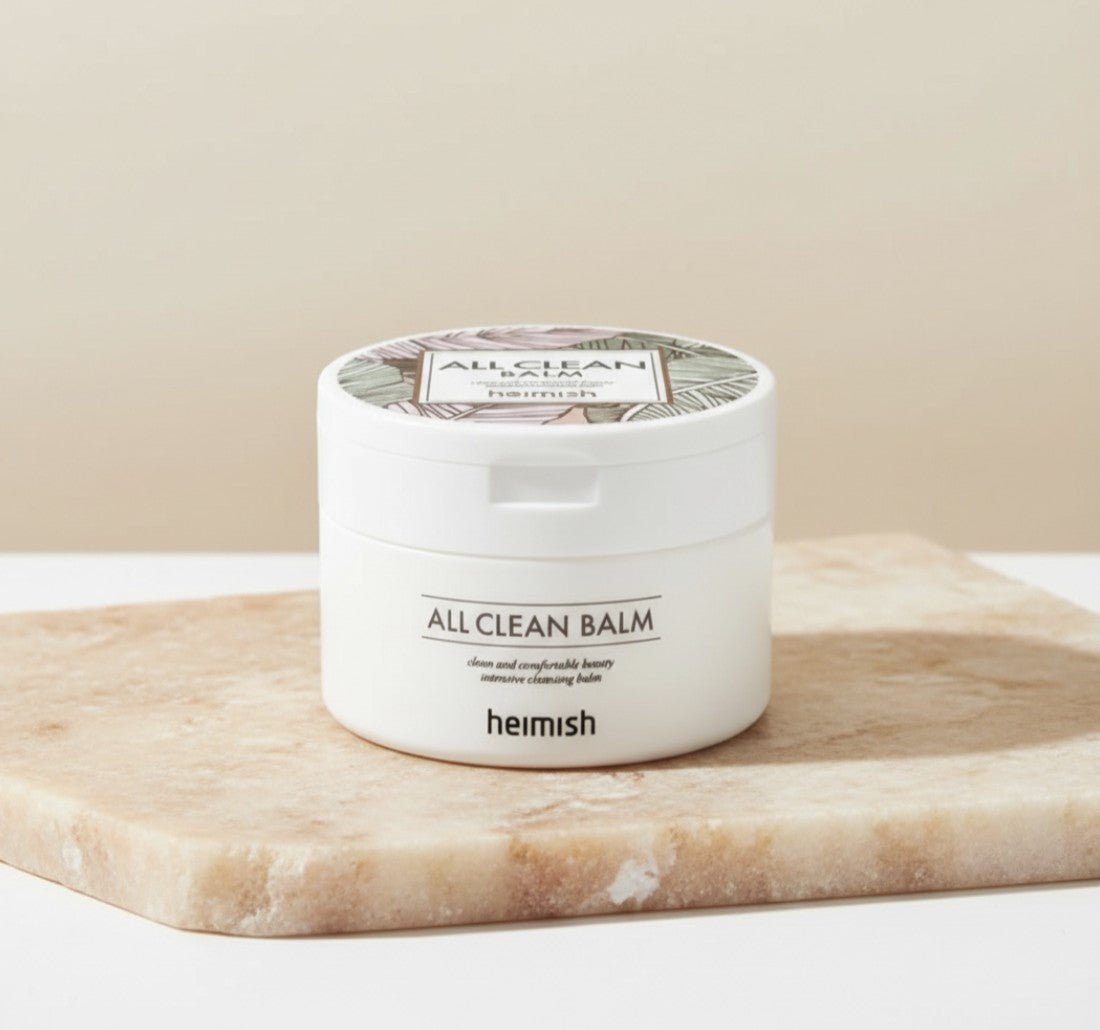
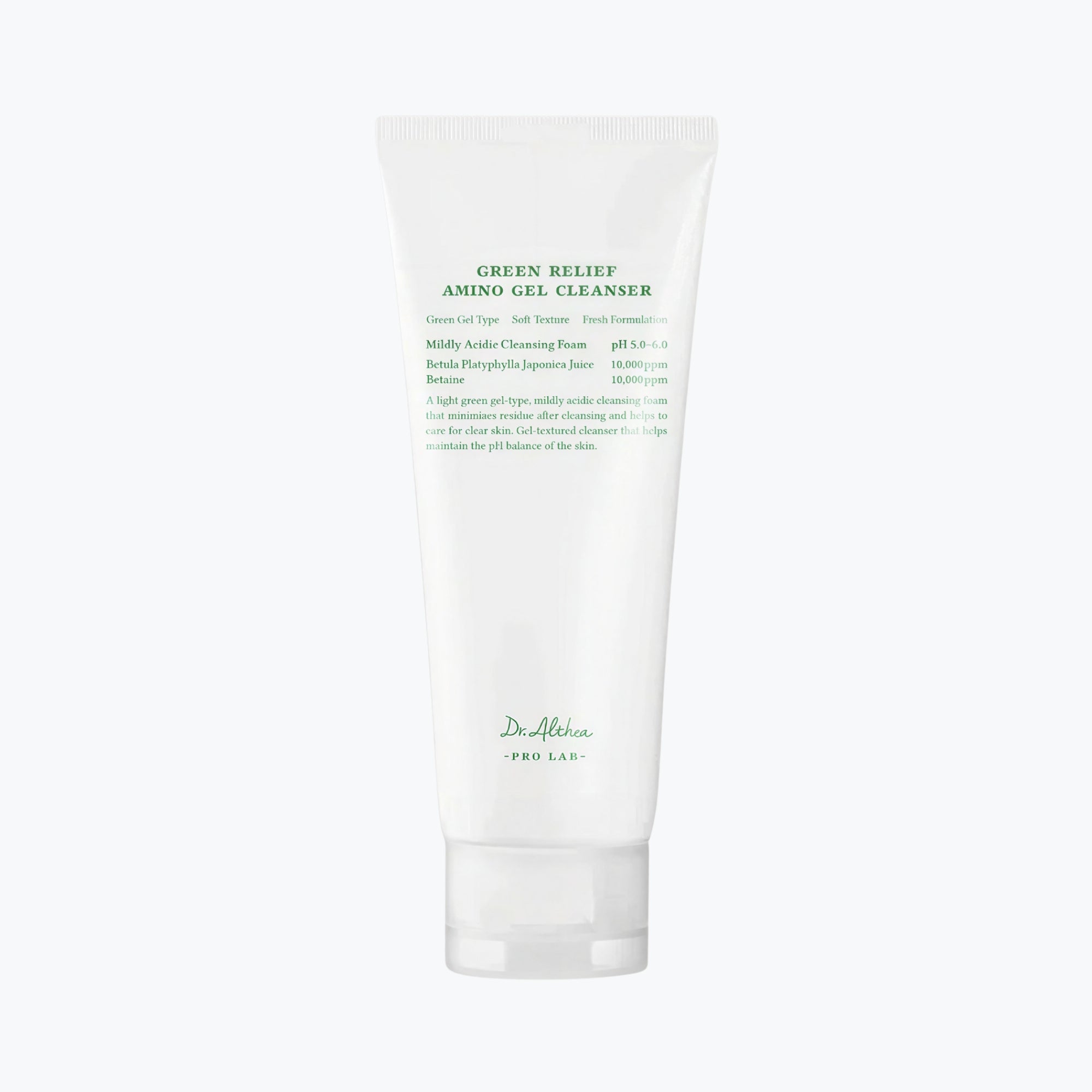
- Cleansing: a gentle but thorough formula from Cleansing Oily Skinthat clears without stripping.
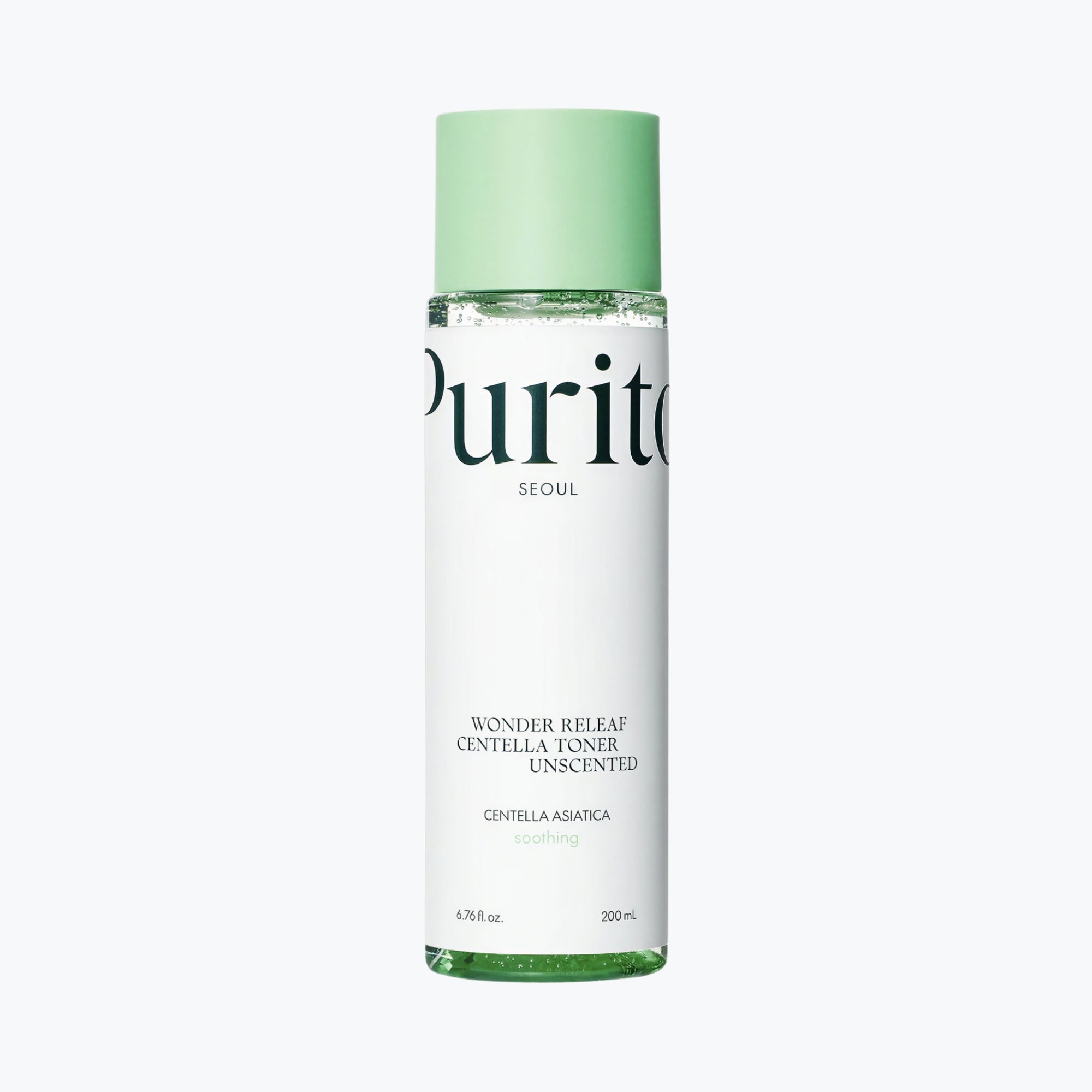
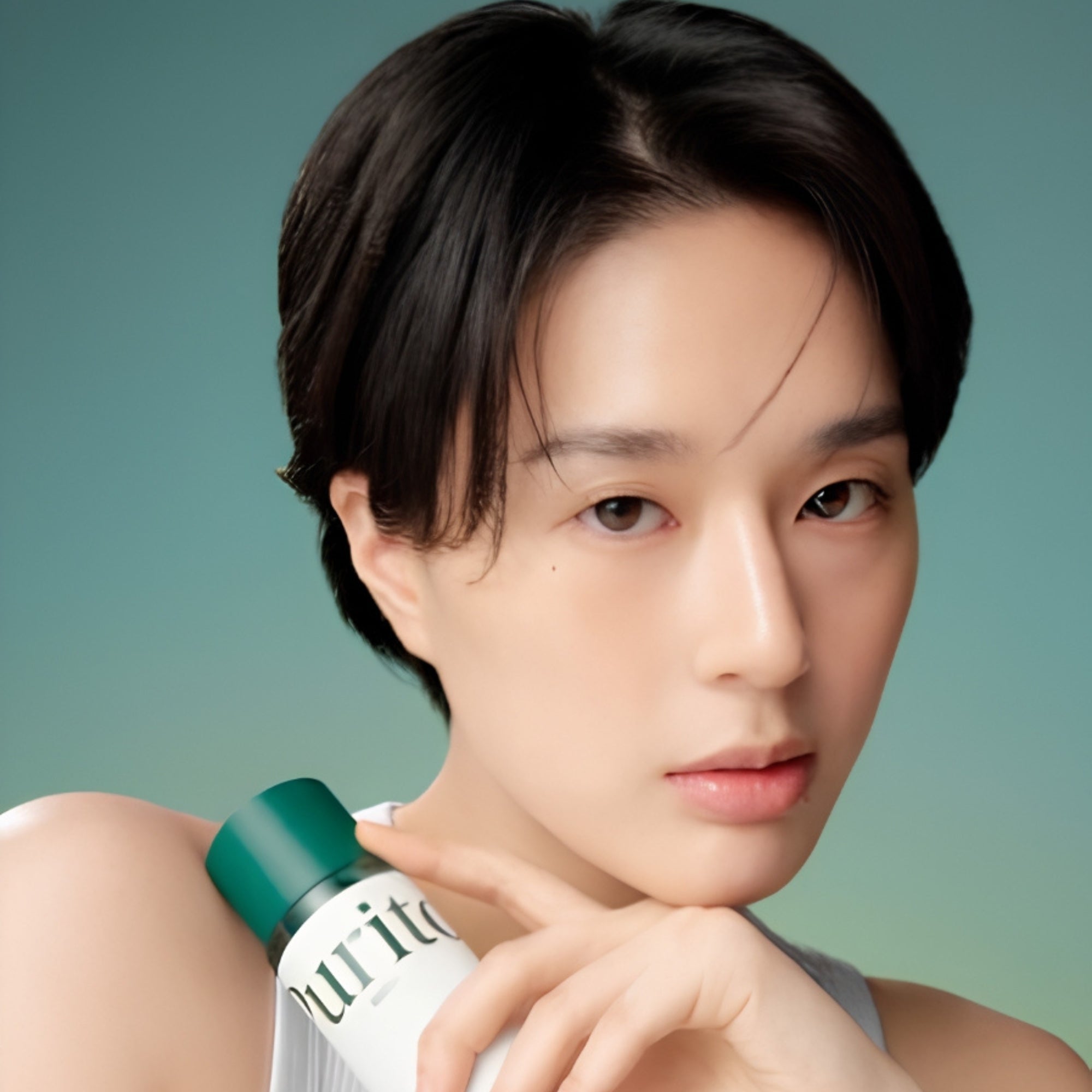
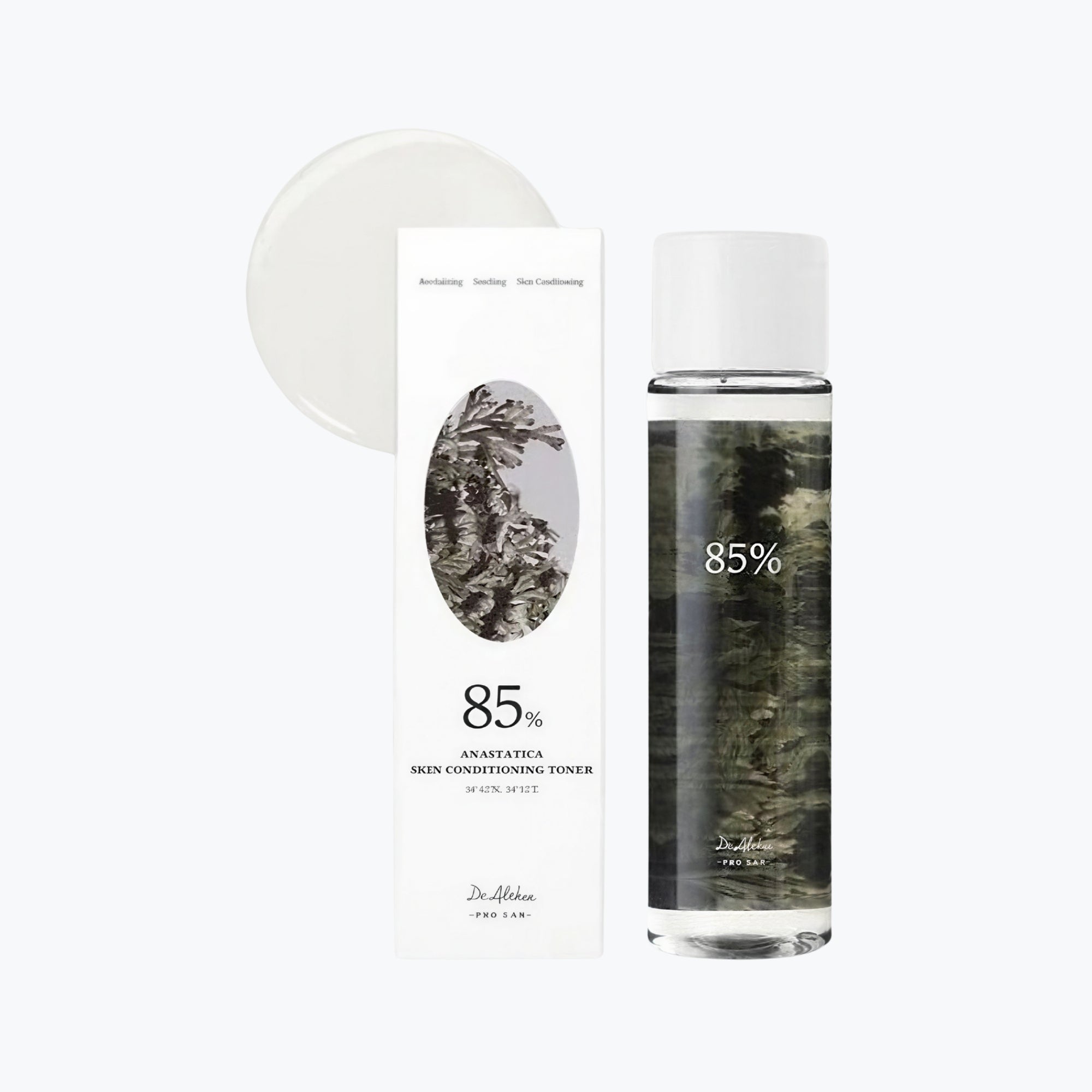
- Toner: balance pH and prep the skin with Toner Oily Skin.
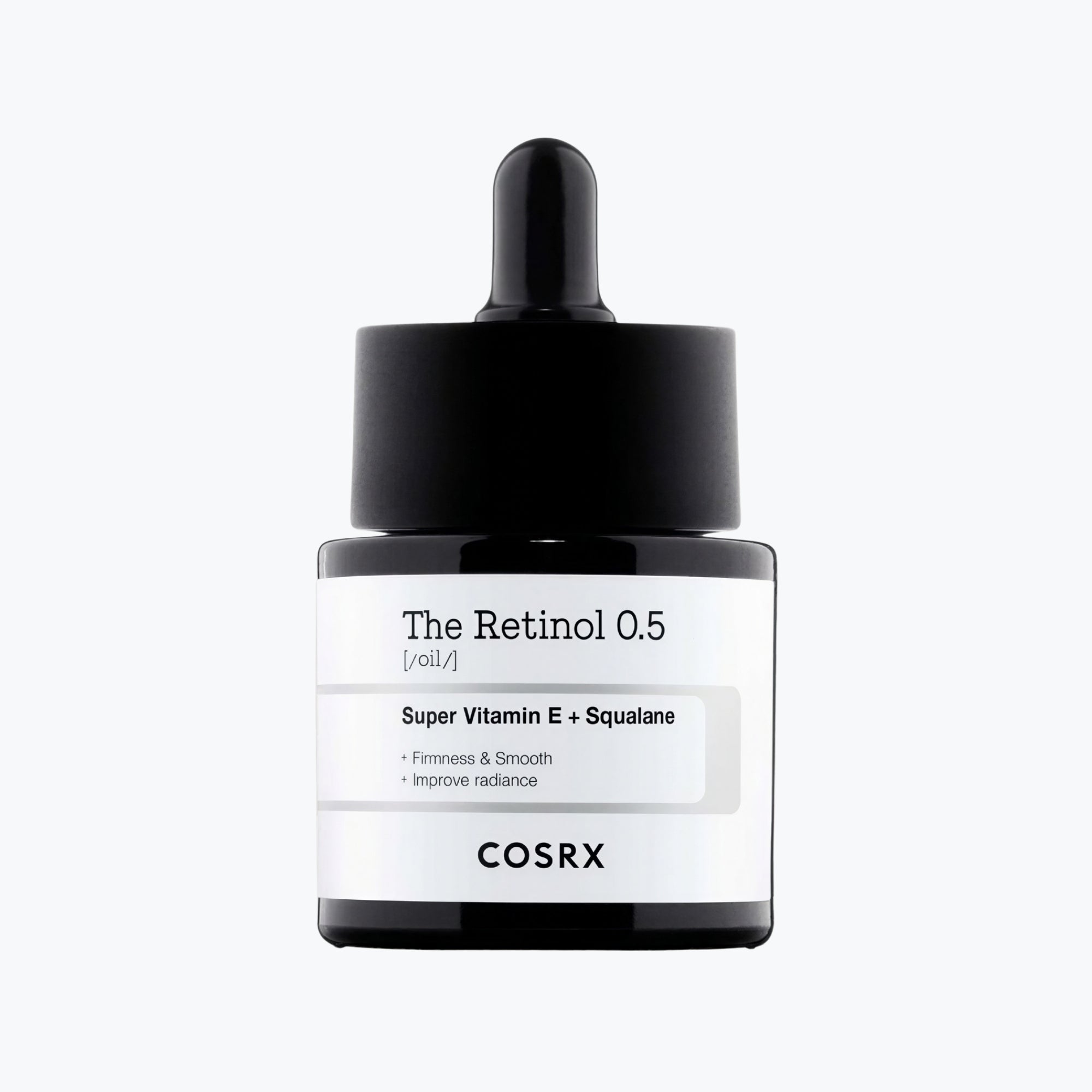
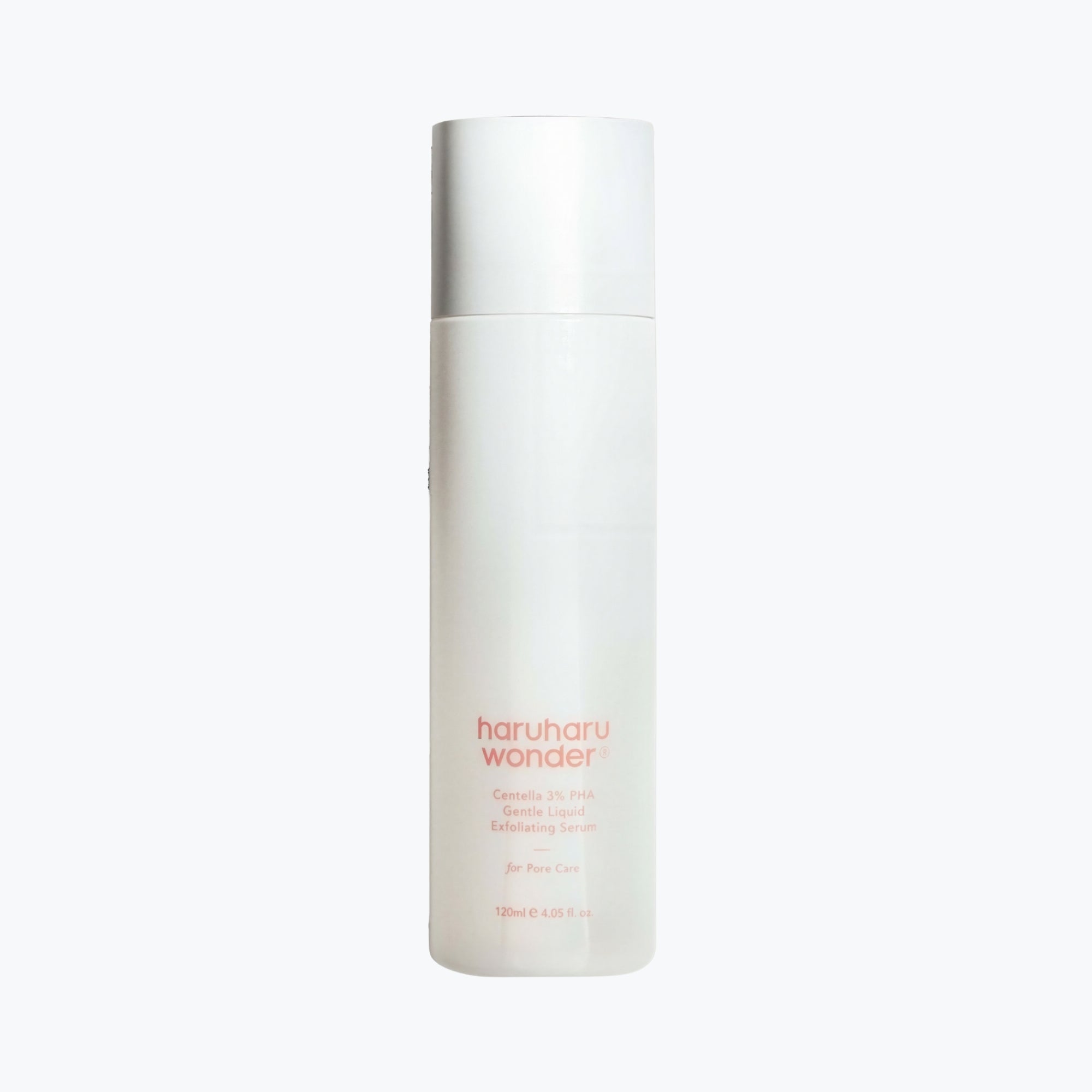
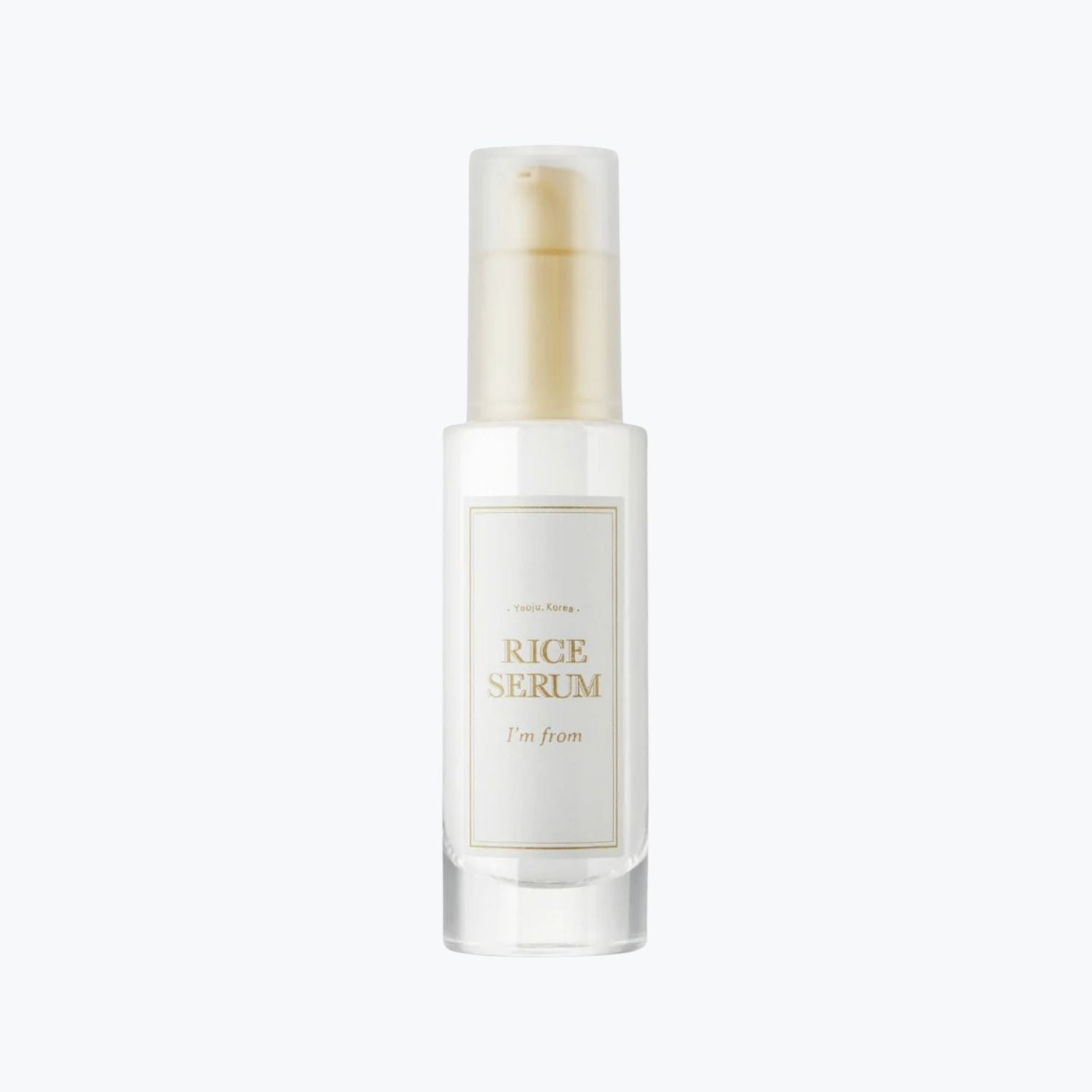
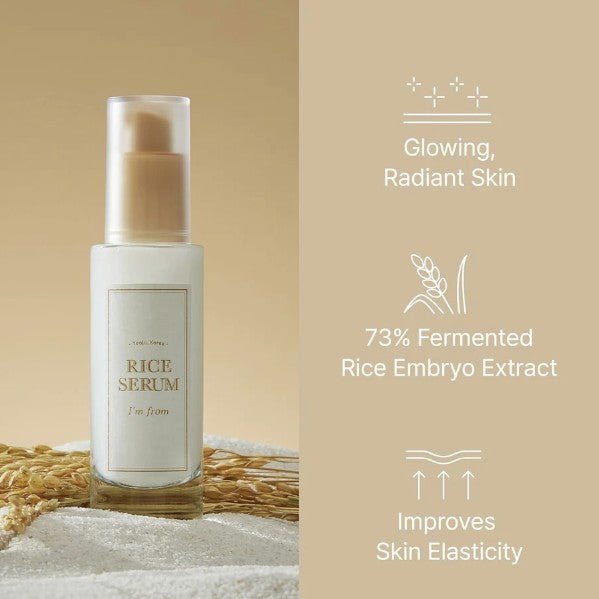
- Serum: target sebum and pores with concentrated active ingredients from Serum Oily Skin.
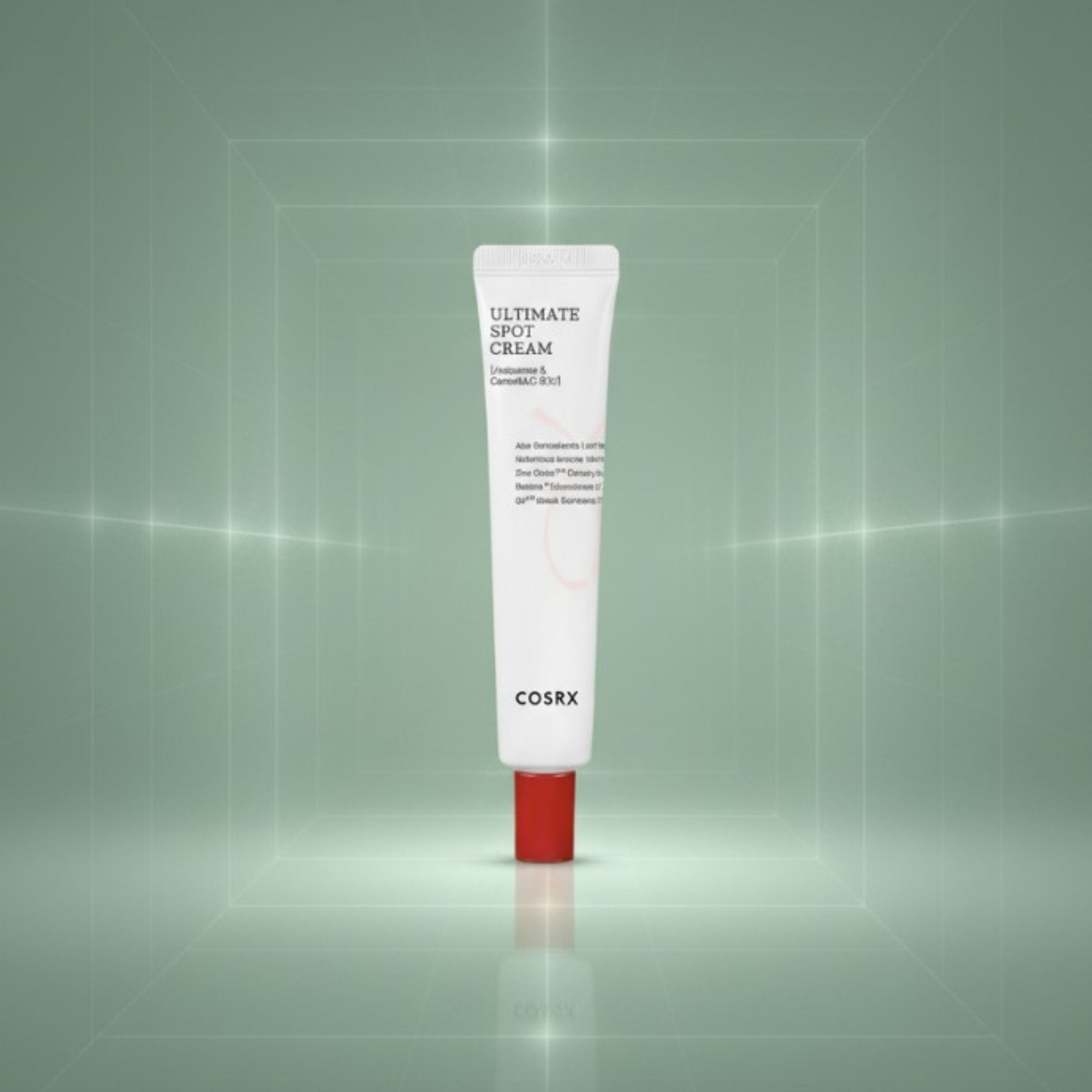
- Cream: yes, oily skin needs moisture. Choose a light version from Face Cream for Oily Skin.
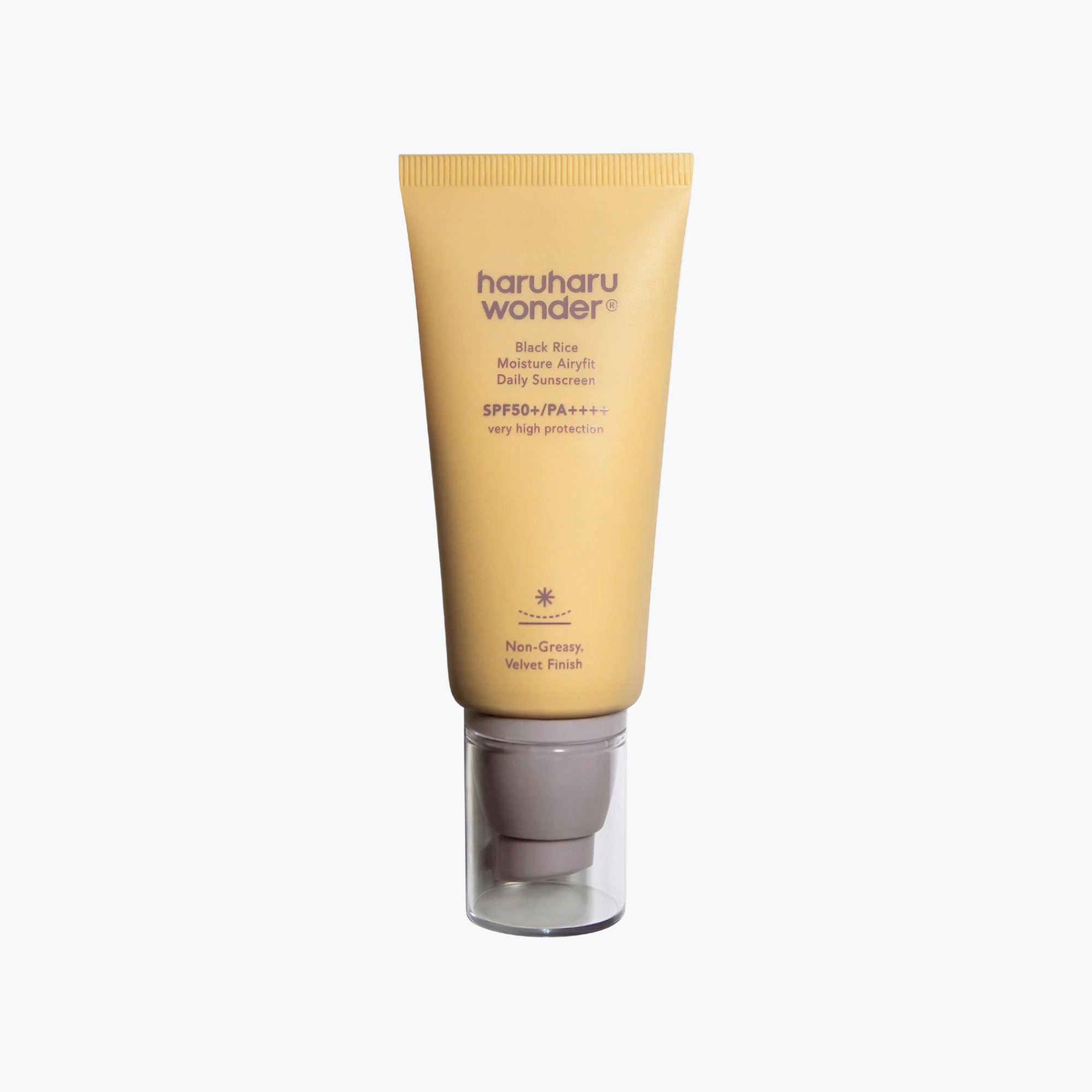
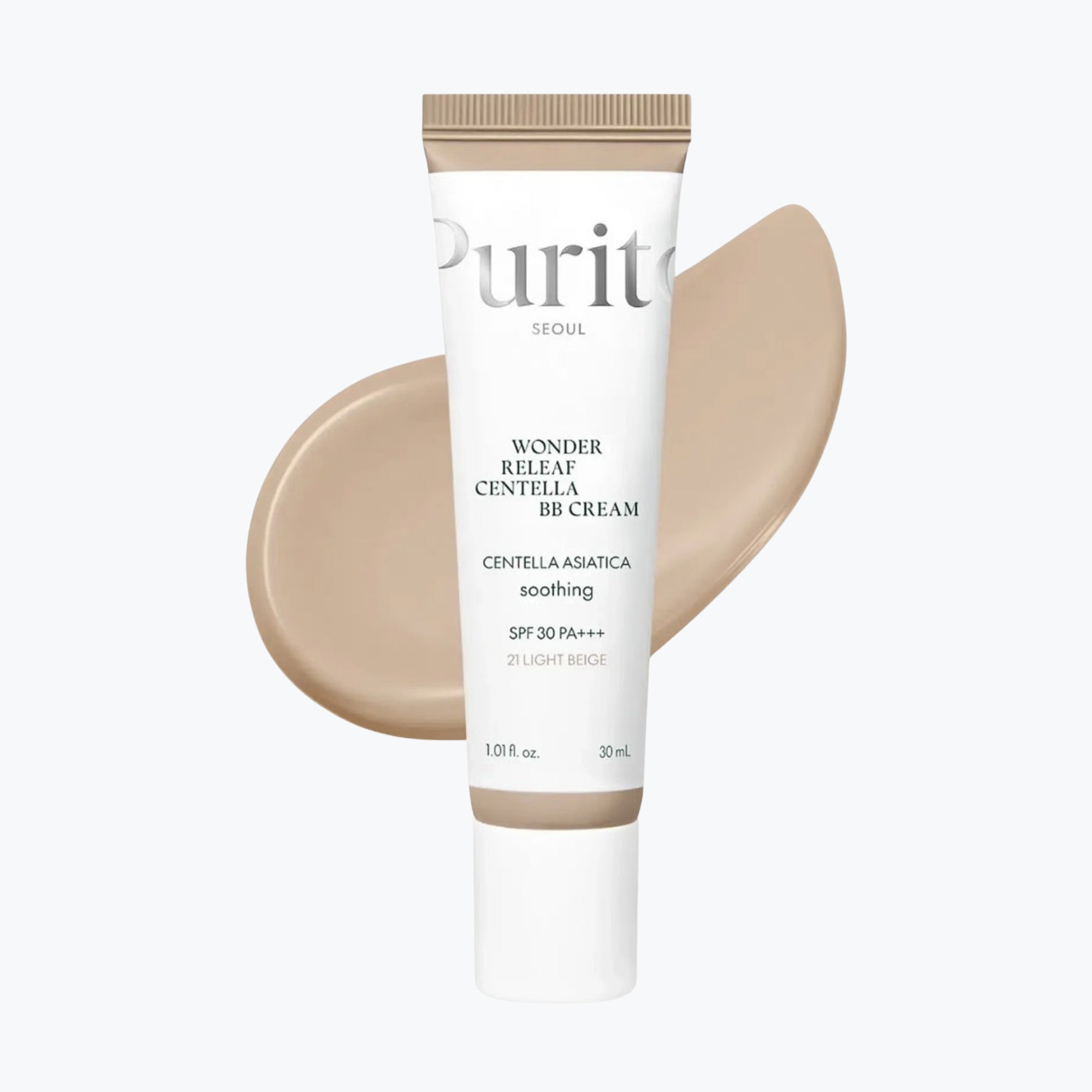
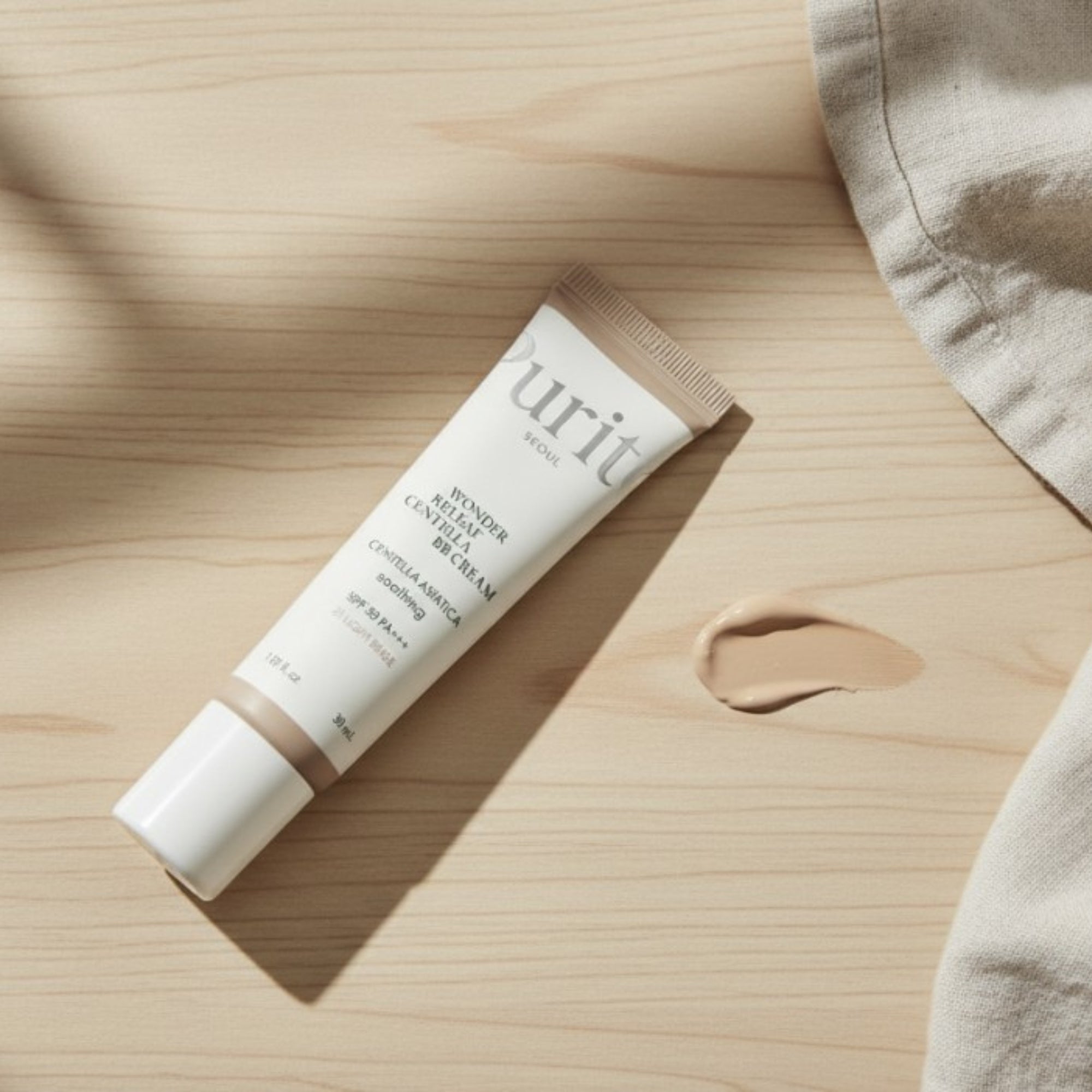
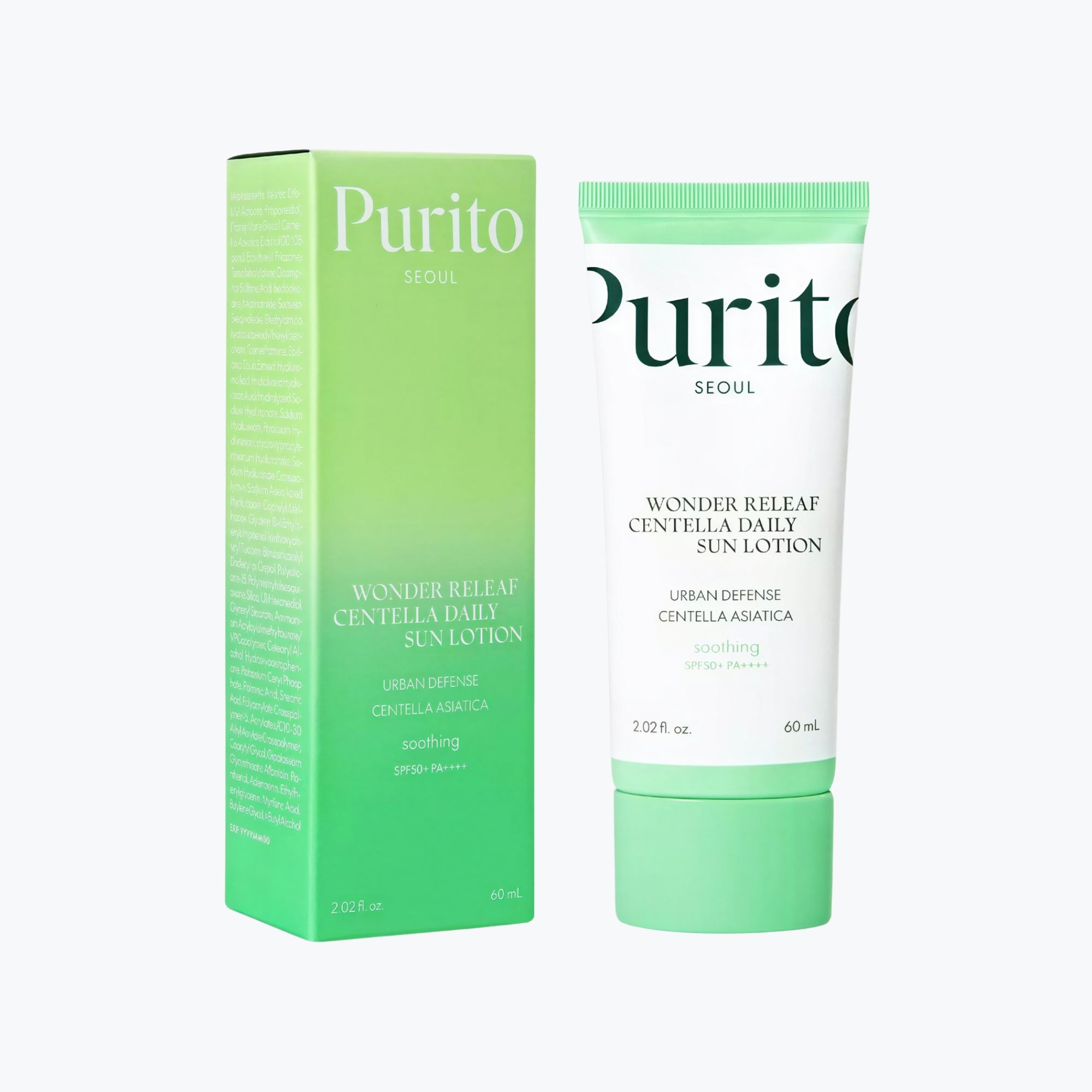
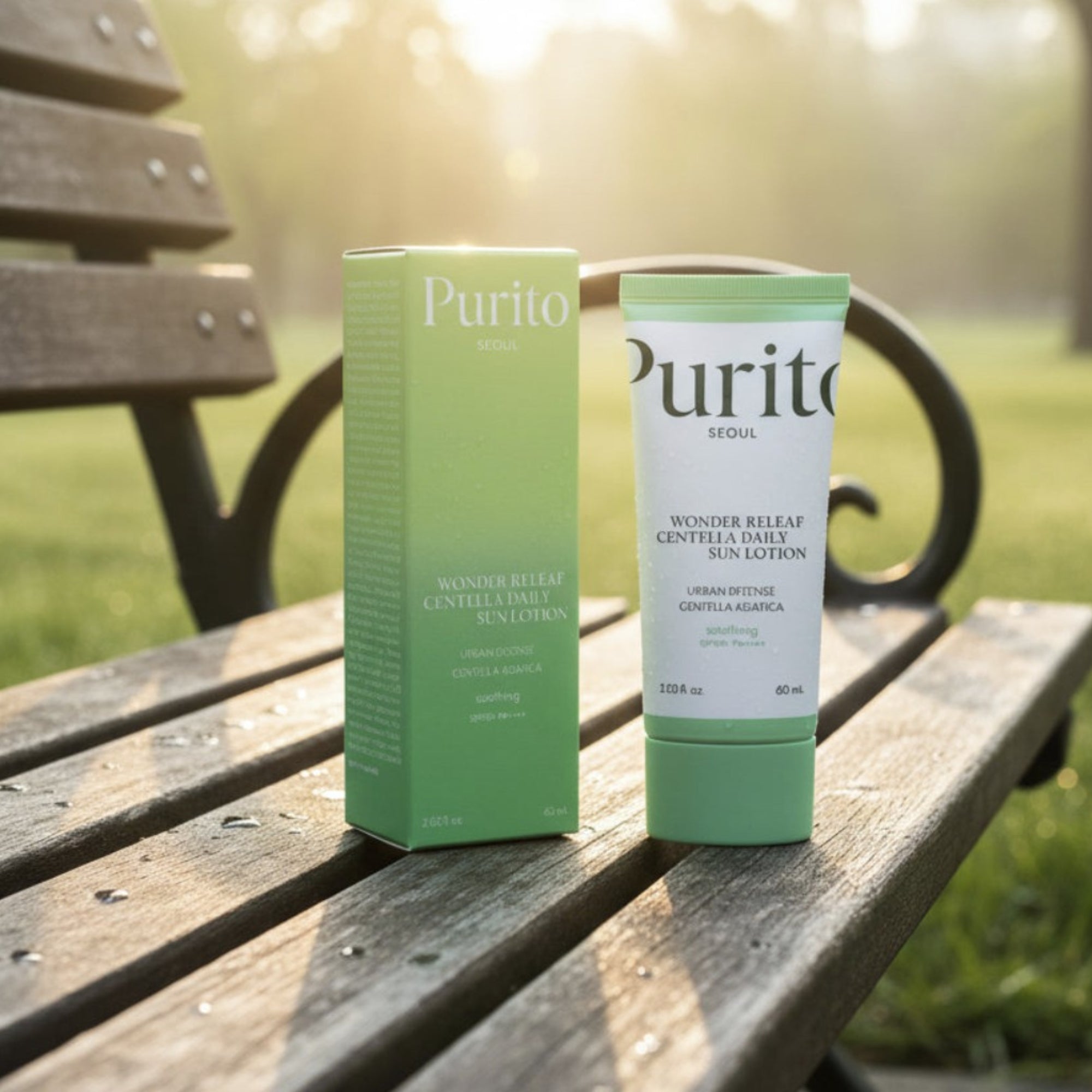
- Sun protection: always finish with sun protection, preferably a light, mattifying version.
Ingredients worth getting to know
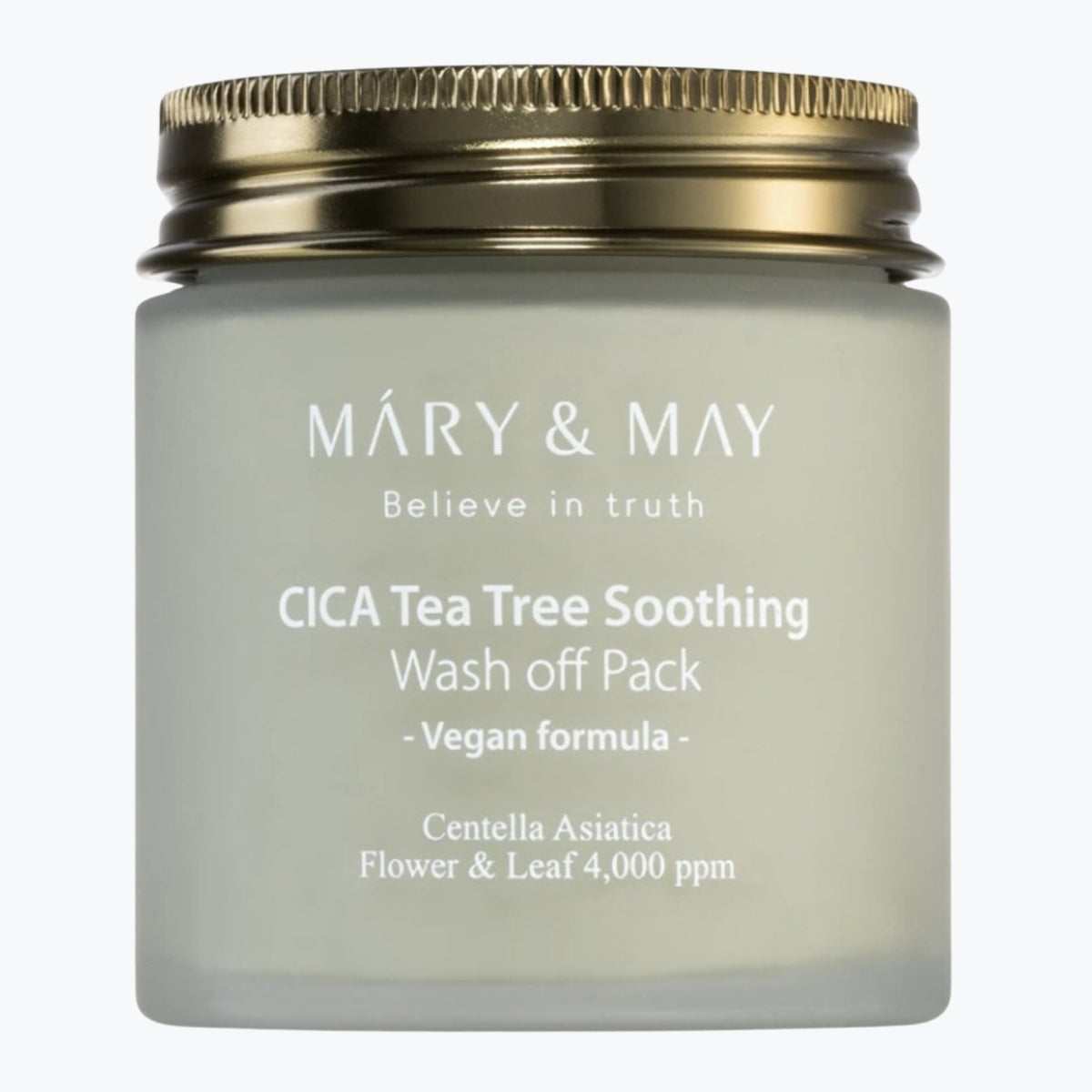
Keep an eye out for niacinamide, which regulates sebum production and reduces the visibility of pores, and salicylic acid, which dissolves sebum directly inside the pores. centellaand panthenolsoothe the skin without adding unnecessary weight.
When sebum becomes more than just shine
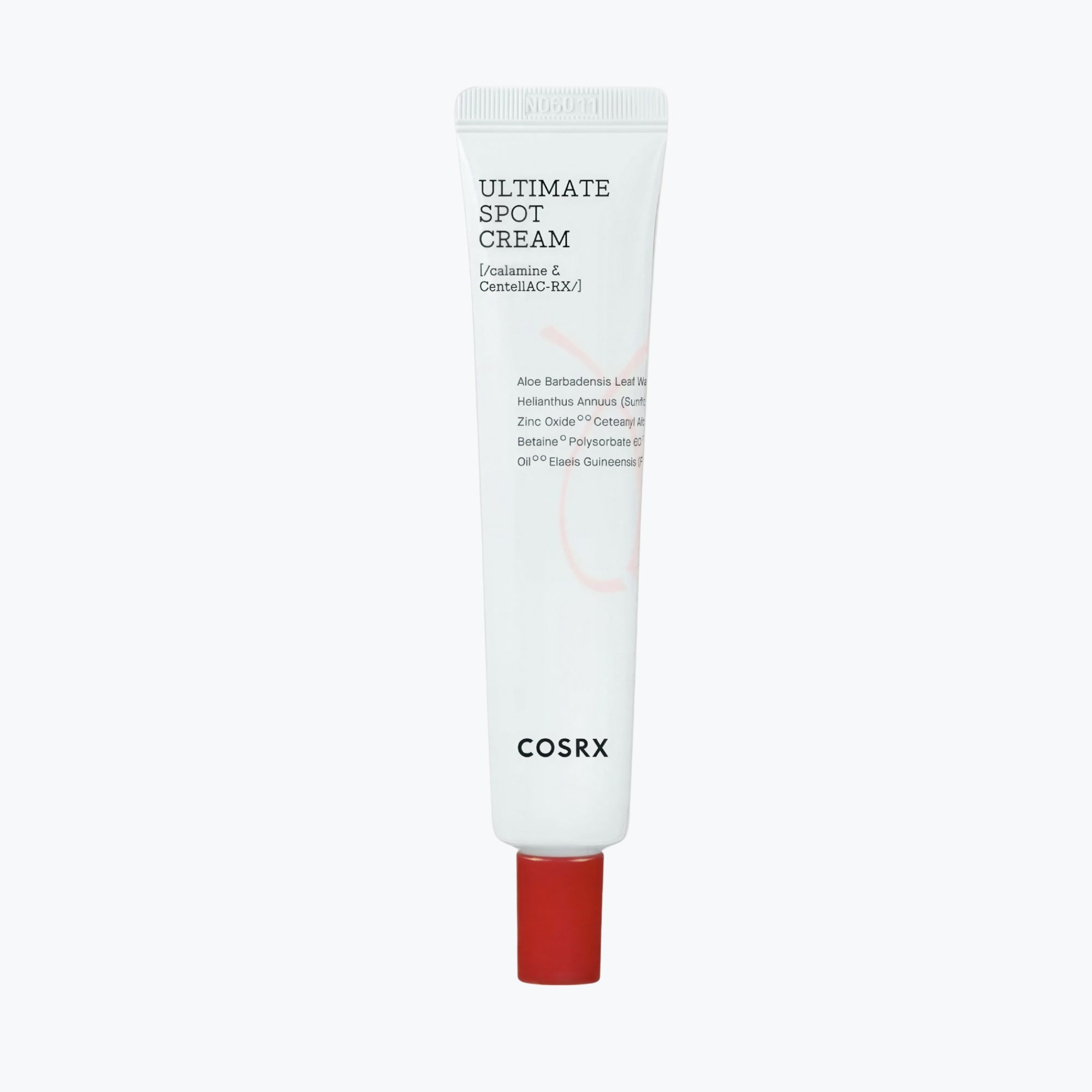
Oily skin is often linked to other skin concerns. If you have a tendency towards impurities, see our range for acne-prone skin. If enlarged poresare the main problem, there is a dedicated guide and collection for exactly that.
What actually controls sebum production
Oily skin is largely genetic; the size and activity of the sebaceous glands are inherited, but several factors can amplify or dampen it throughout a lifetime. Hormonal fluctuations, such as puberty, menstruation, or stress, often significantly increase sebum production. Hot and humid weather does the same, while cold and dry air can sometimes reduce shine temporarily without actually improving the skin's underlying balance.
This is why a routine that works perfectly in July does not necessarily work just as well in January. Many with oily skin notice that they need a slightly richer cream during winter and a lighter gel formula during summer, without having to change the entire routine.
Common myths about oily skin
- "Oily skin should be washed often and thoroughly": excessive cleansing is the most common reason for sebum production to escalate rather than decrease.
- "Oily skin doesn't need a moisturizer": without moisture, the skin compensates by producing even more sebum. Cream is at least as important as for other skin types.
- "Sun protection makes skin oilier": a light, mattifying formula protects without worsening shine, and skipping sun protection damages the skin in the long run.
- "Oily skin never gets wrinkles": the extra sebum provides some natural protection, but oily skin still ages and needs the same long-term care as all other skin types.
Morning and evening require different priorities
In the morning, the focus is on controlling the day's sebum production before applying makeup or sun protection. A light, water-based moisturizer and a mattifying sun protection are often all that is needed, along with a quick balancing toner.
In the evening, it is instead about thoroughly removing the day's accumulated sebum, dirt, and any makeup, and then letting active ingredients like niacinamide or salicylic acid work undisturbed during the night. Many choose to save their strongest serums for the evening routine for this very reason.
Dehydrated yet oily, is that possible?
Yes, and it is one of the most misunderstood variants of oily skin. Dehydrated oily skin lacks water in the outer skin layers but simultaneously produces normal or even elevated amounts of sebum. The result is skin that looks shiny but at the same time feels tight, rough, or even flaky in some areas. The solution is rarely to strip away more oil, but to replenish with water-based moisture so that the skin stops compensating.
Oily skin and makeup that lasts all day
Shine that breaks through foundation by lunchtime is one of the most common frustrations for those with oily skin. The key rarely lies in the makeup itself, but in the steps before. A mattifying, light moisturizer and a few minutes of waiting time before application make a big difference, as does choosing products with oil-controlling formulas rather than applying thick layers to hide the shine.
Ingredients worth being careful with
Heavy oils and certain dense silicones can remain on the surface and increase the feeling of shine and congestion, especially in combination with already high sebum production. This does not mean that oily skin must avoid oil entirely; dry oils like jojoba or squalane mimic the skin's own sebum and are absorbed quickly, while heavier mineral oils or coconut oil are harder to justify in a daily routine for this skin type.
An easy way to test a new product is to introduce it alone for a few weeks before adjusting the rest of the routine. Oily skin often tolerates active ingredients better than drier skin types, but it also makes it easy to add too much too fast, which in turn can trigger the very irritation and overproduction you are trying to avoid.
Oily skin deserves just as much care as any other
Managed correctly, oily skin is rarely a problem; it is an asset: more resistant to fine lines, faster to recover, and often more tolerant of active ingredients than drier skin types. The assortment is built to work with that strength rather than against it.
