



















What actually makes skin "sensitive"?
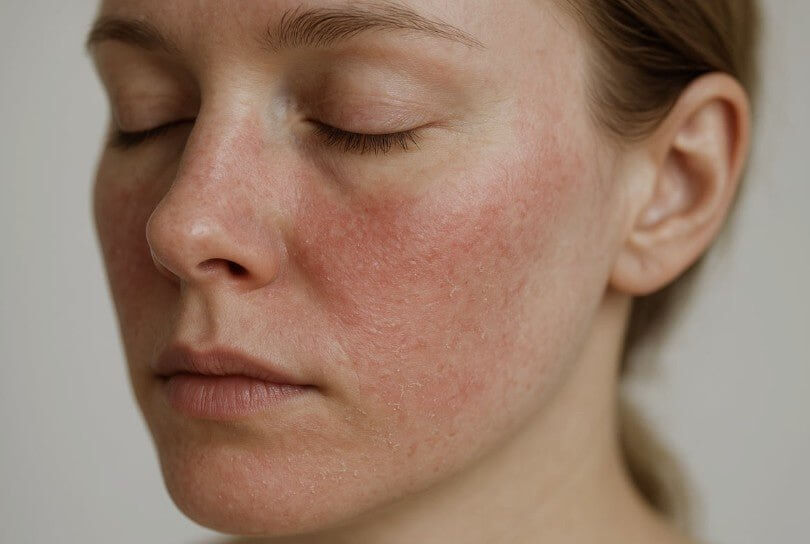
Sensitive skin usually has a weakened skin barrier, the outermost protective layer that normally keeps irritants out and moisture in. When the barrier is compromised—due to genetics, weather, incorrect skincare, or underlying skin conditions—the skin becomes more susceptible to everything from fragrance and alcohol to strong active ingredients that would otherwise have been tolerated without issue.
This makes sensitive skin a fluid state rather than a fixed diagnosis. The same person may experience periods of calm skin and periods of increased reactivity, depending on stress, the season, and which products are used.
Build a routine that soothes rather than provokes
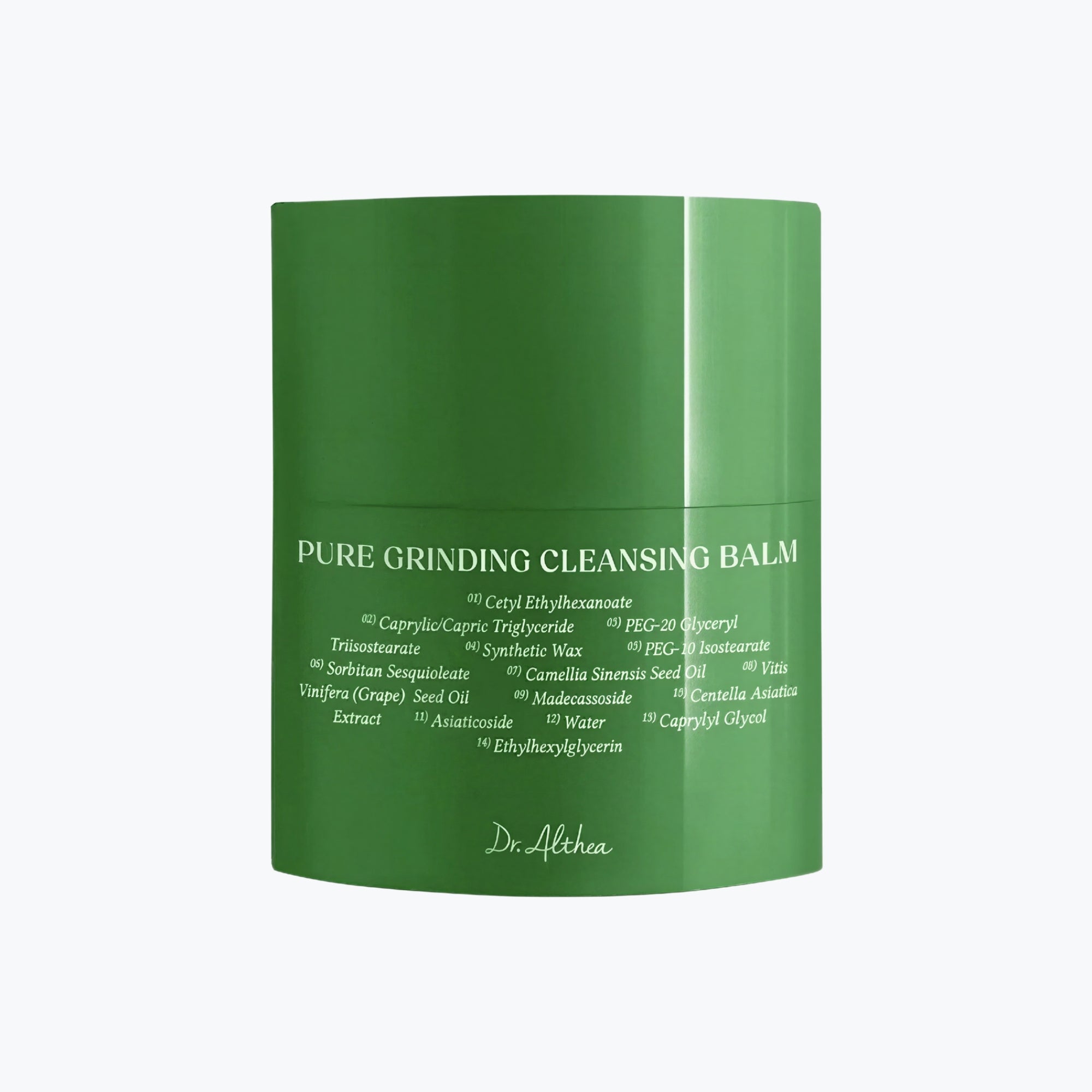
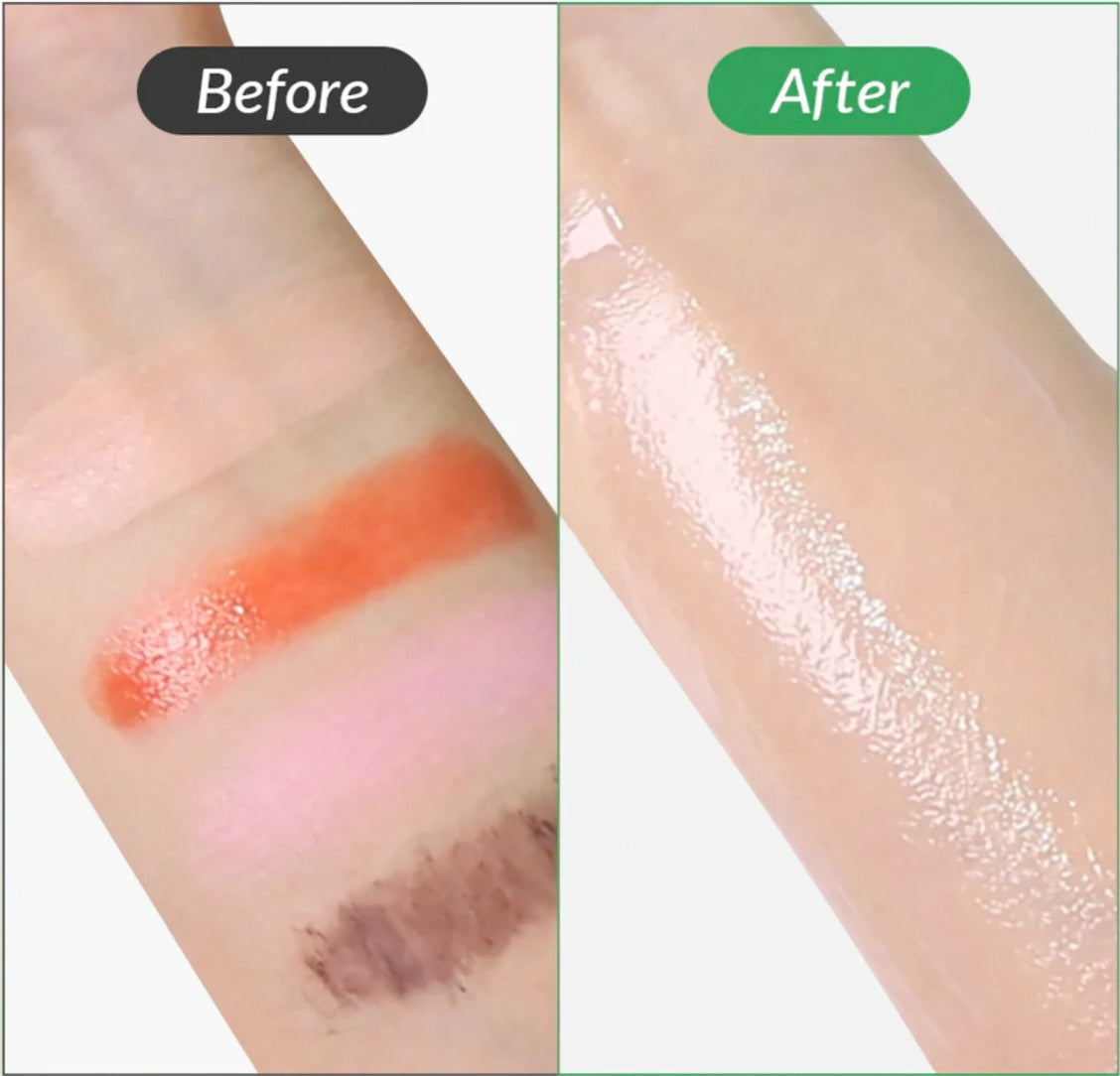
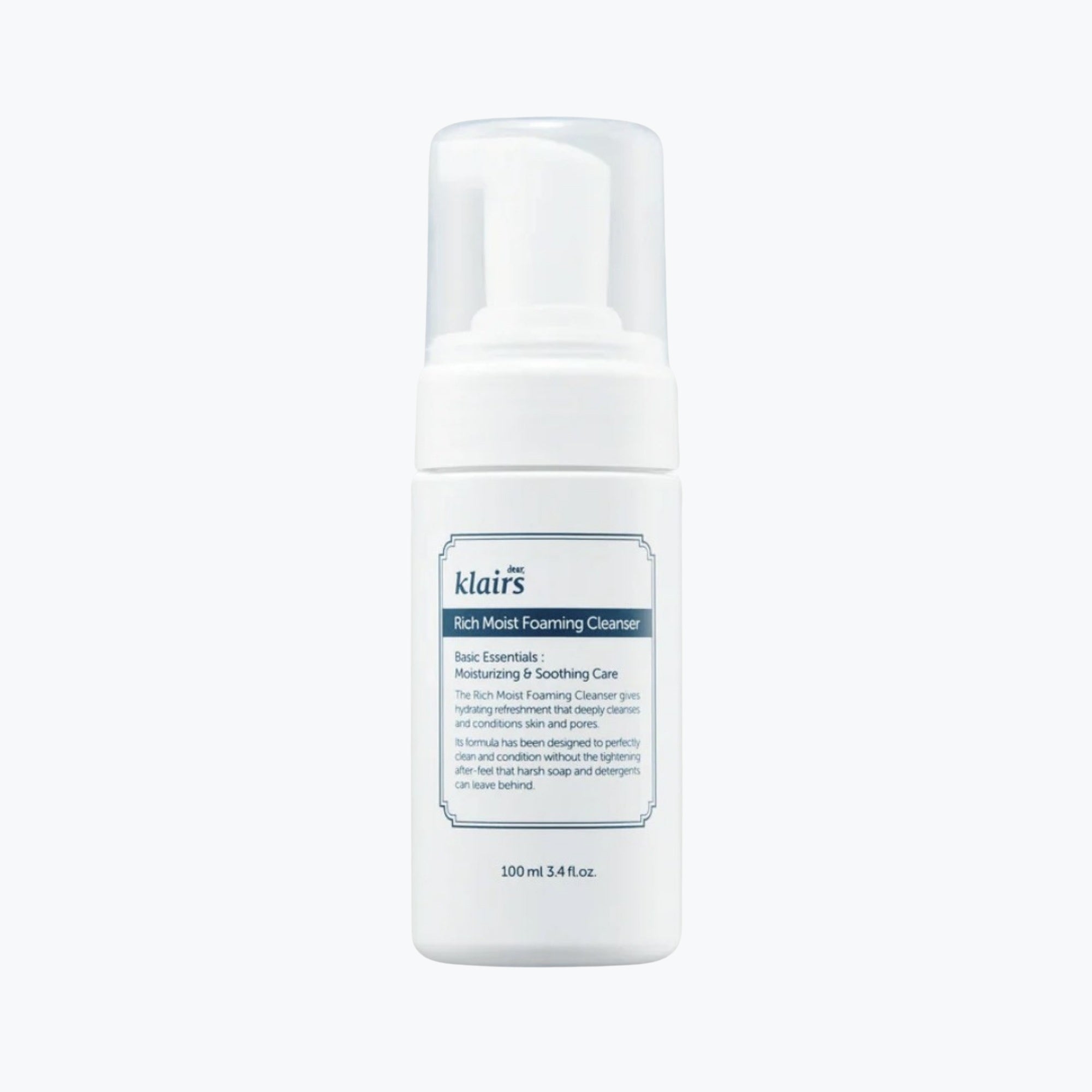
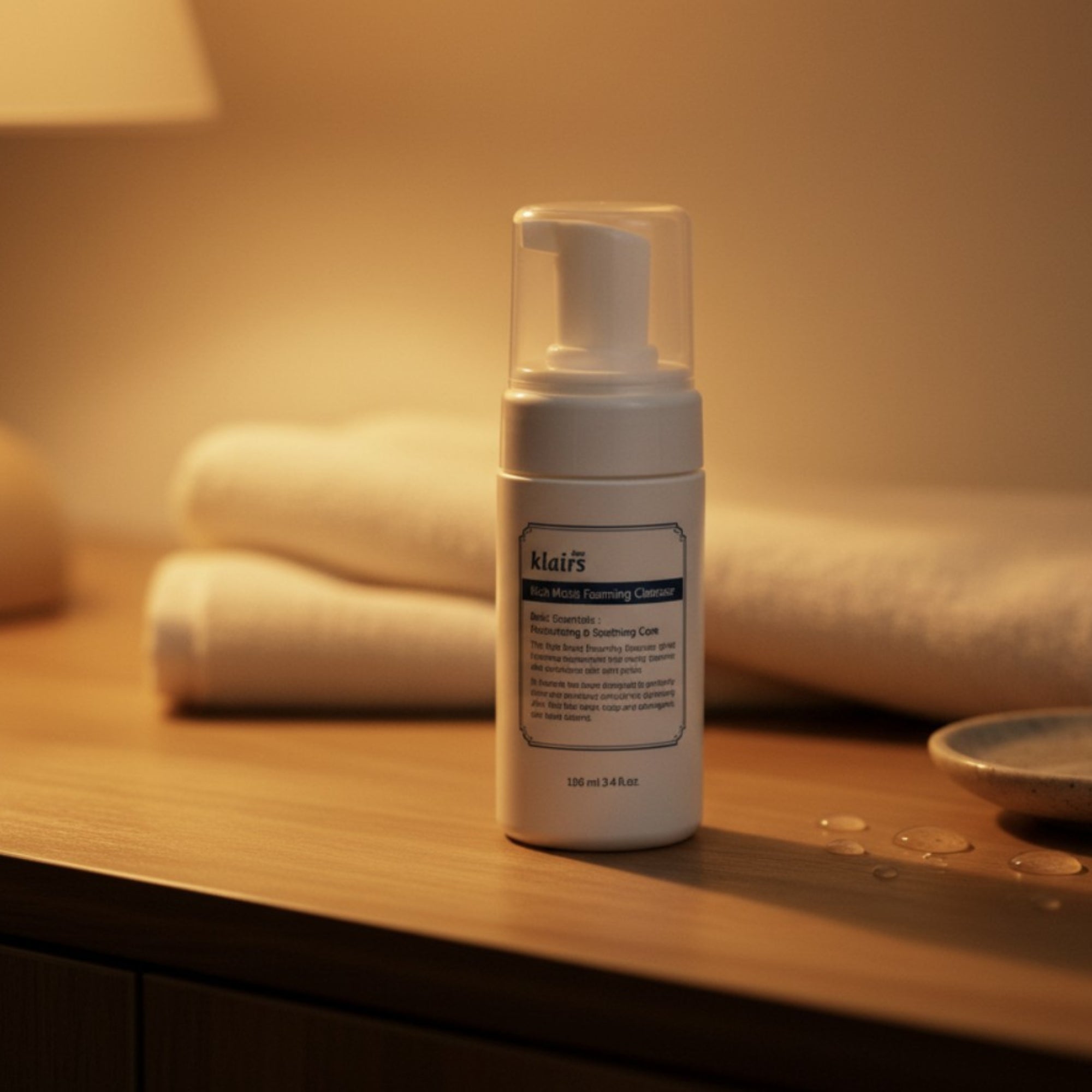
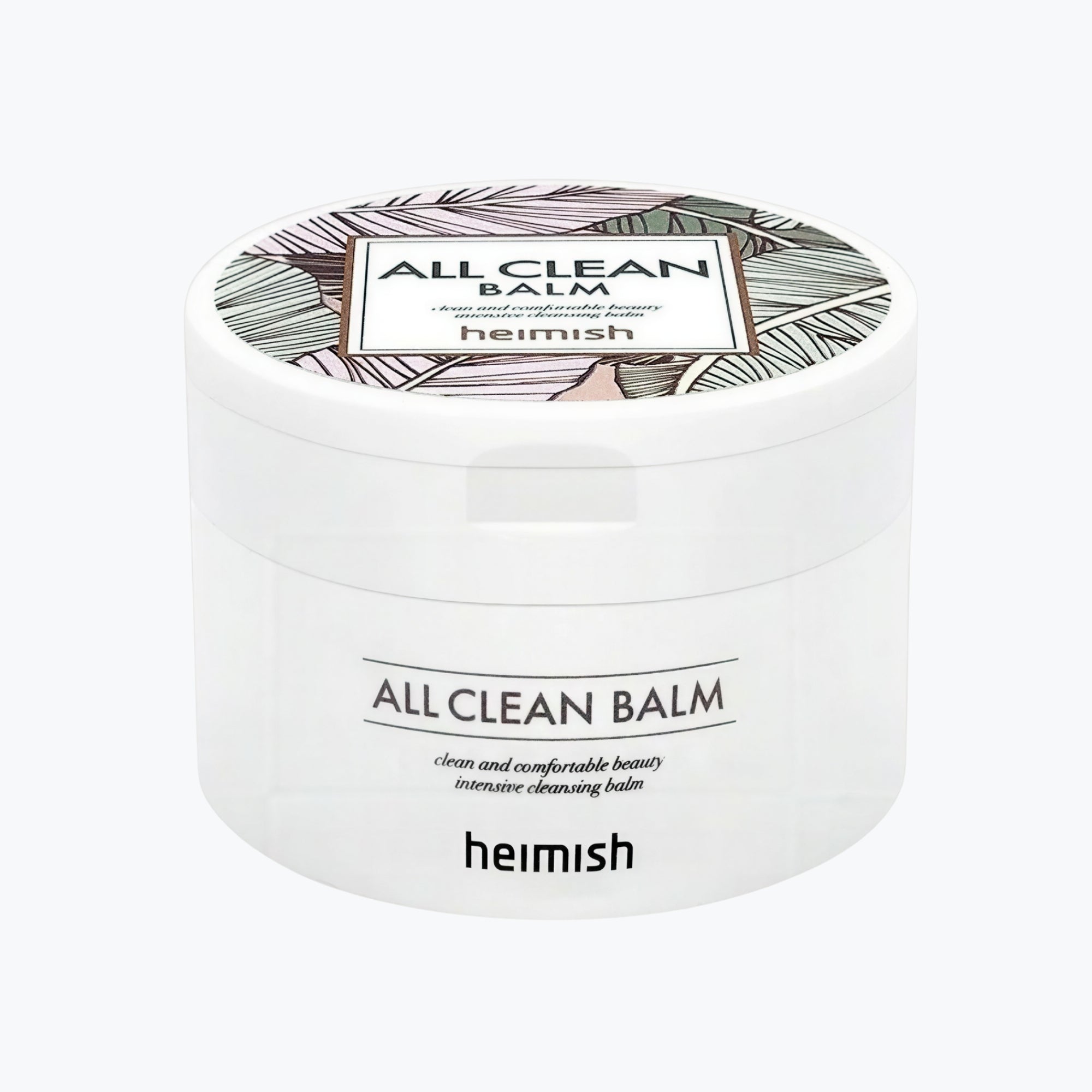
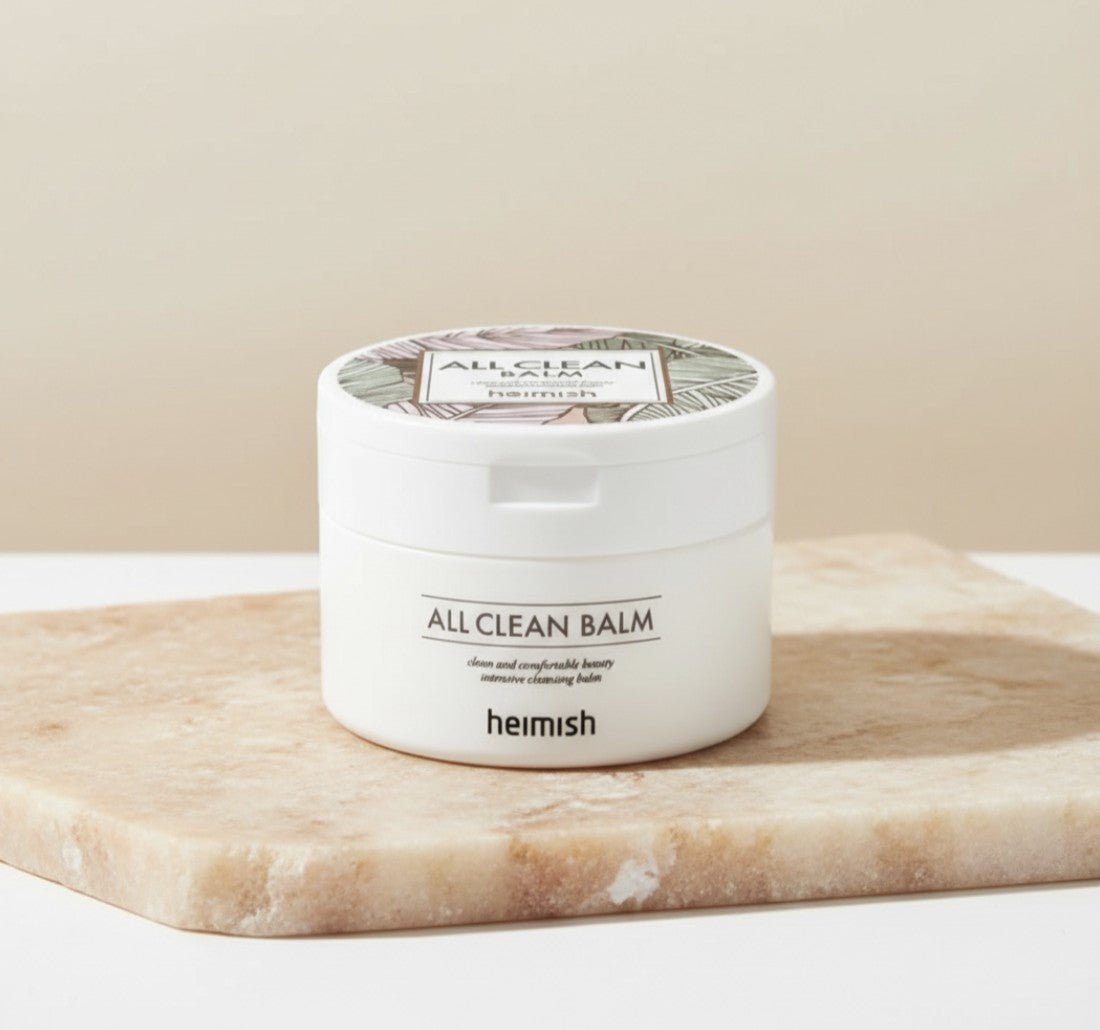
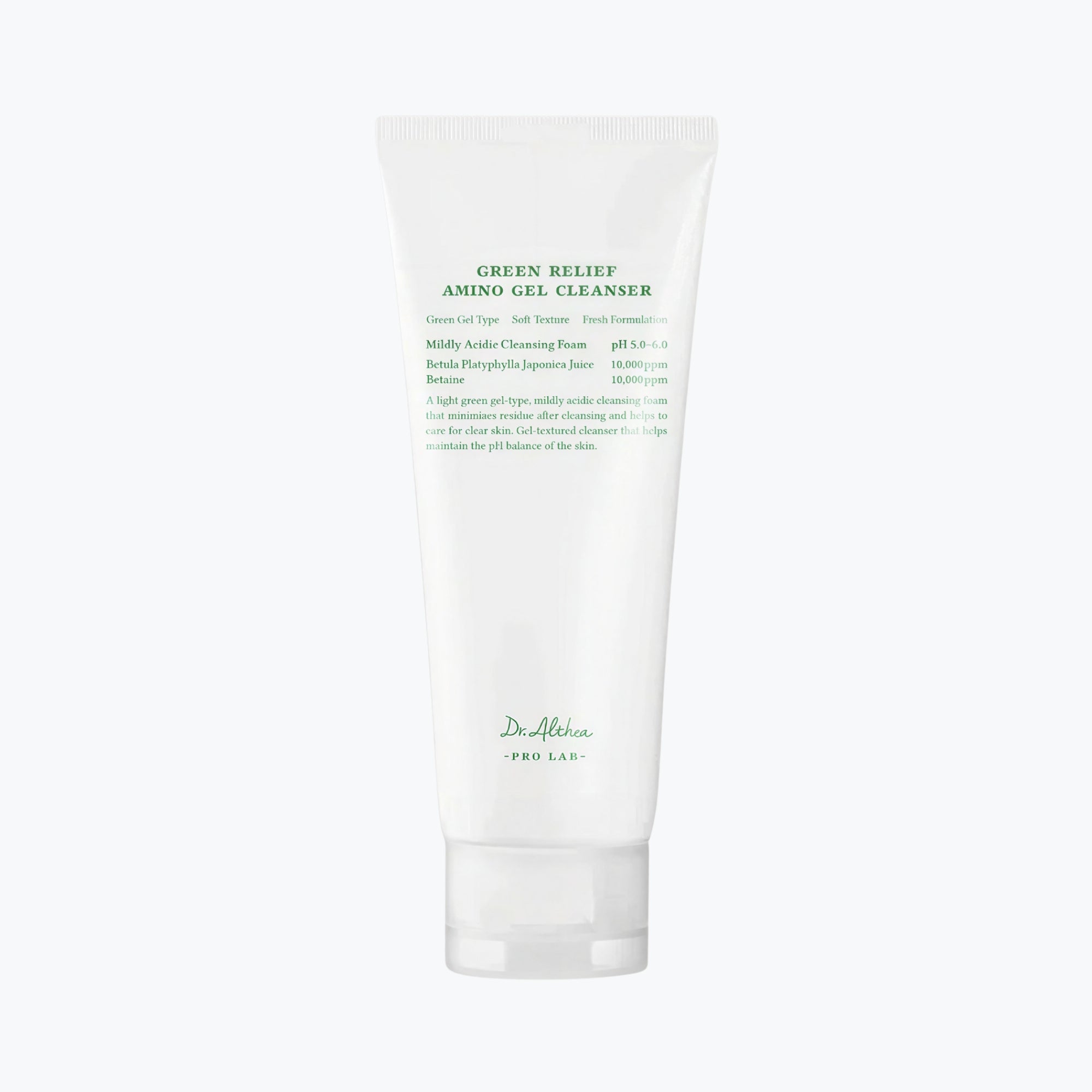
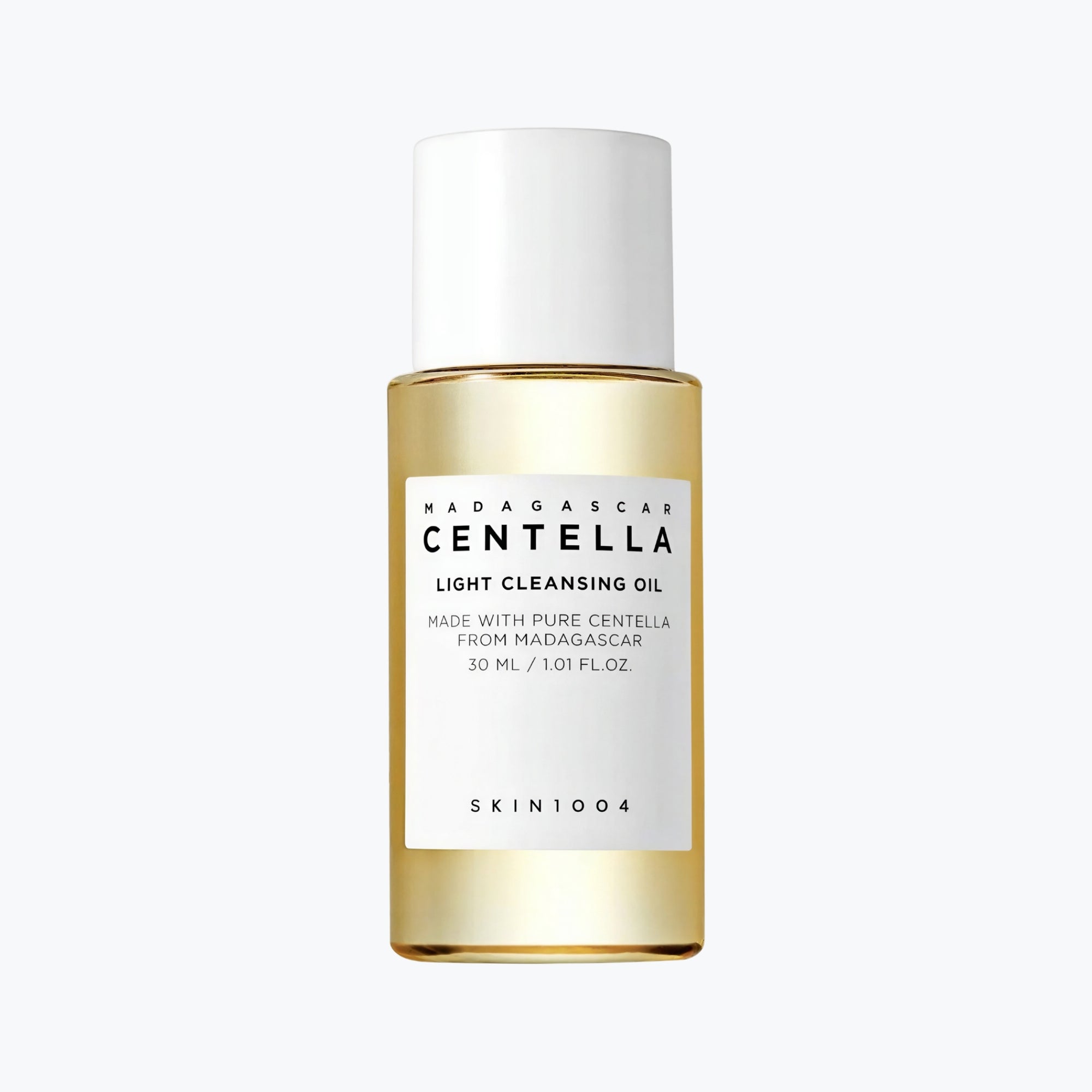
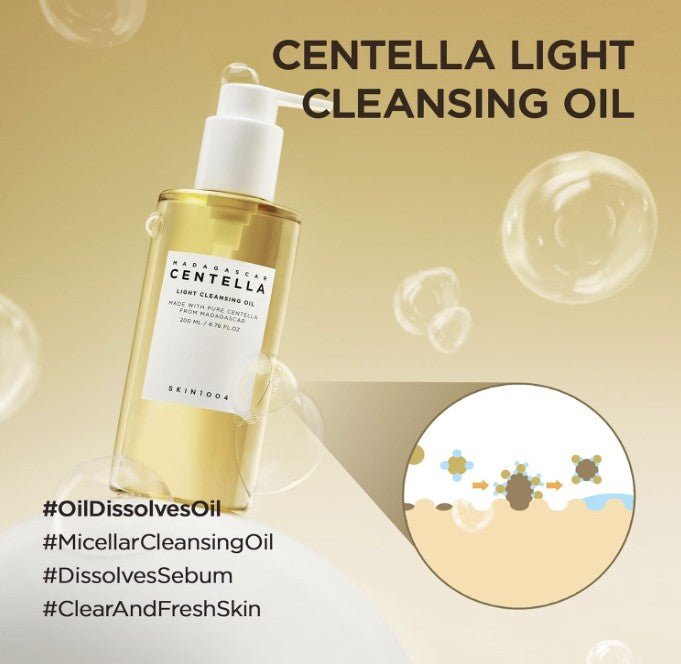
- Cleansing: a mild, fragrance-free cleanser from Cleansing Sensitive Skinthat cleanses without stripping the barrier.
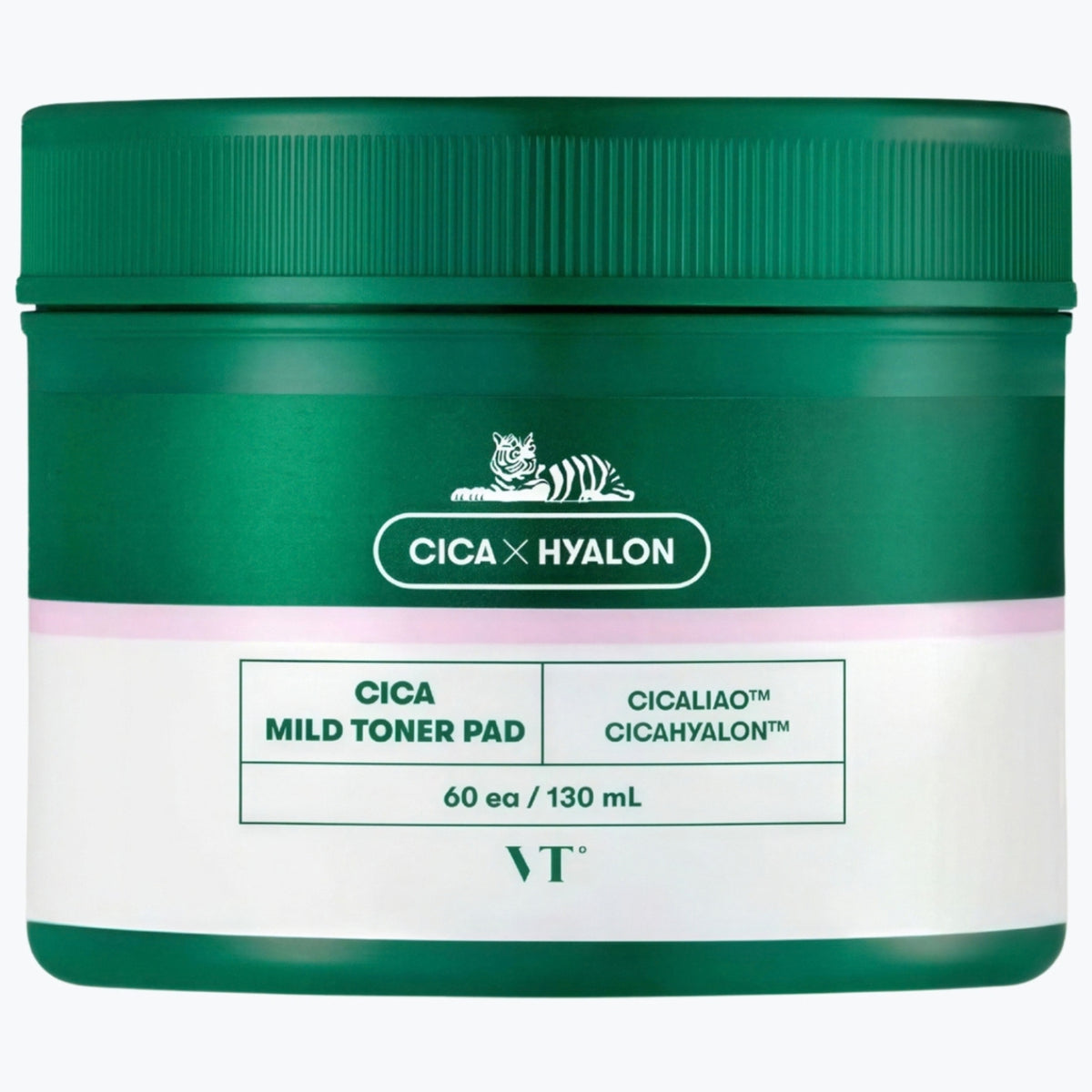
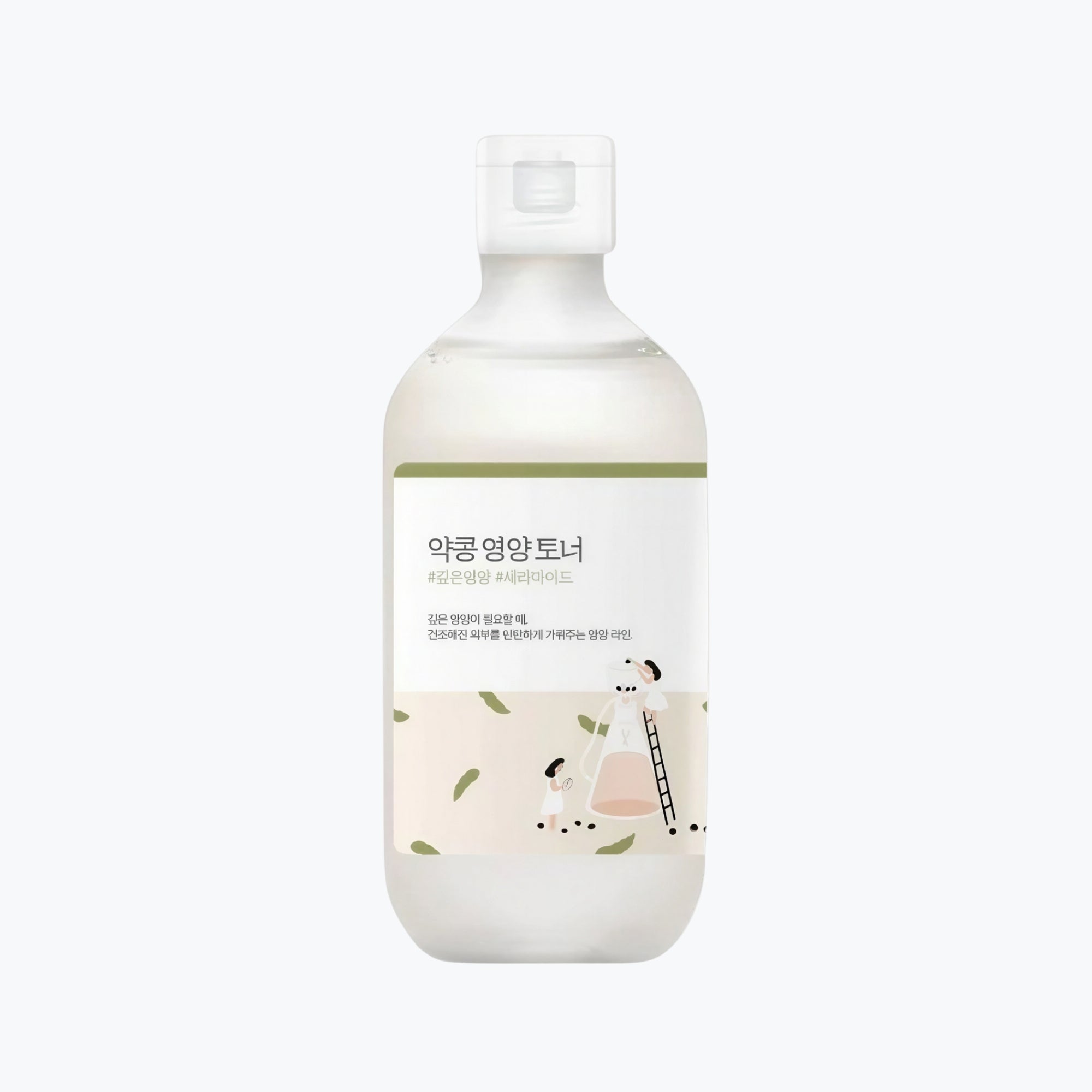
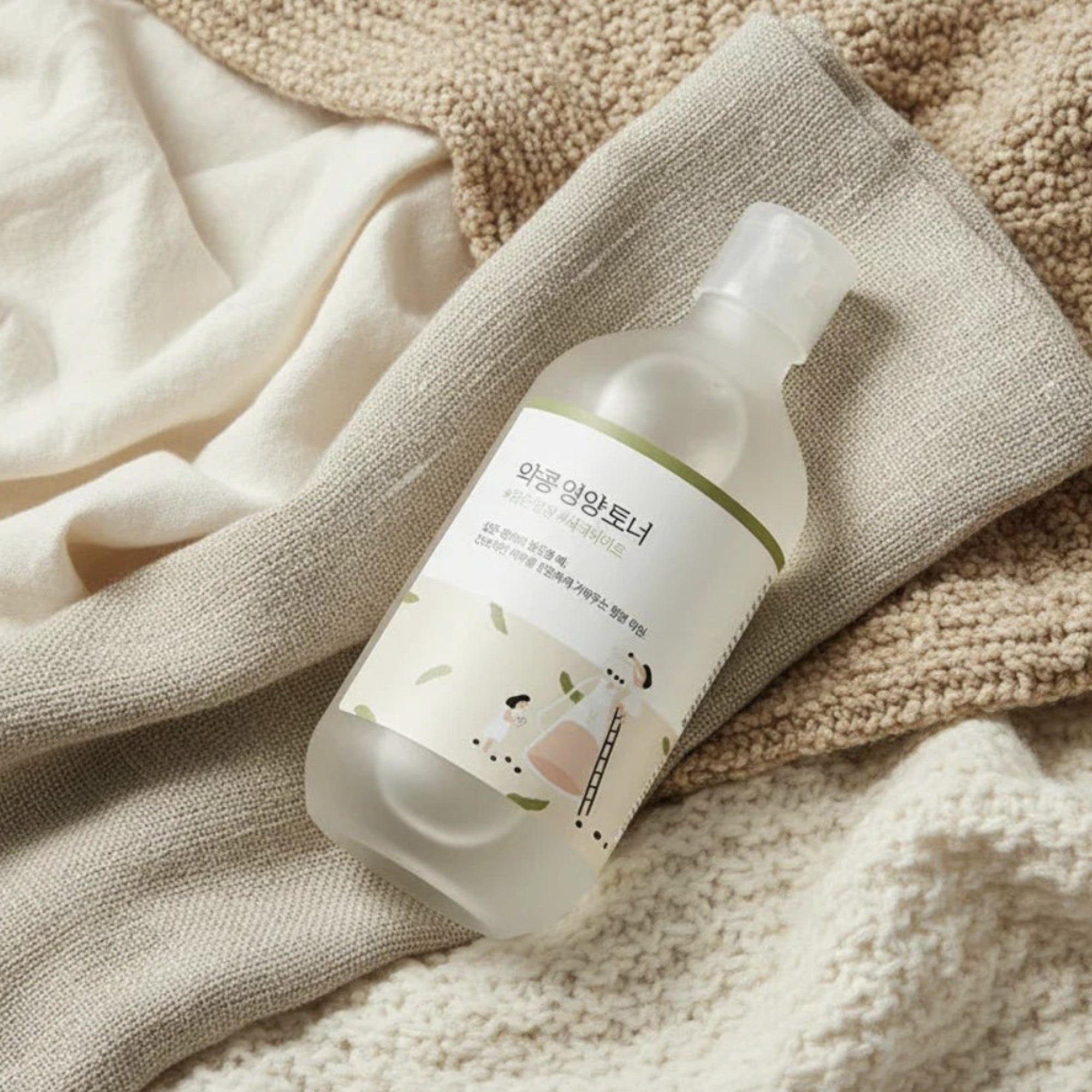
- Toner: hydrate and soothe with Toner Sensitive Skin.
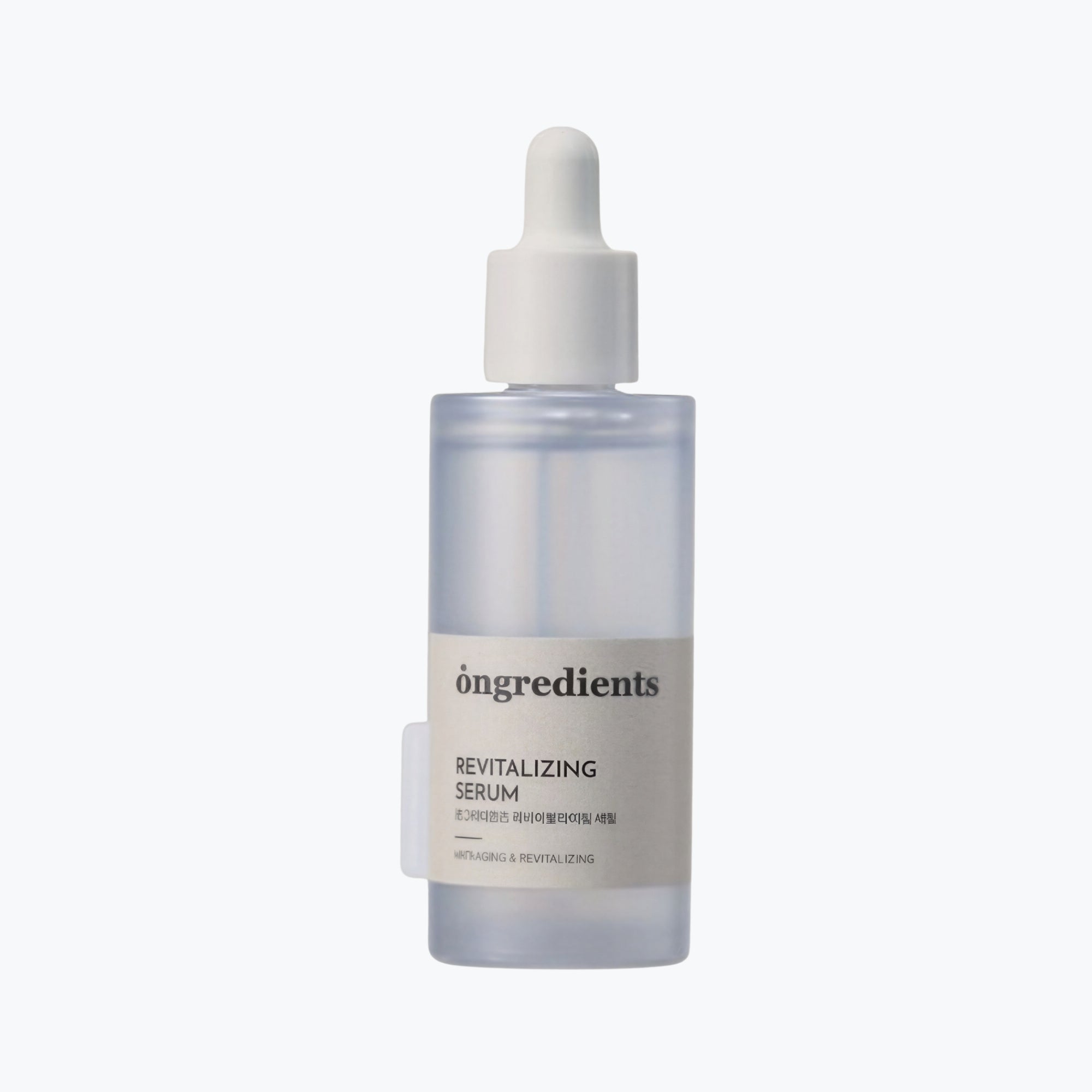
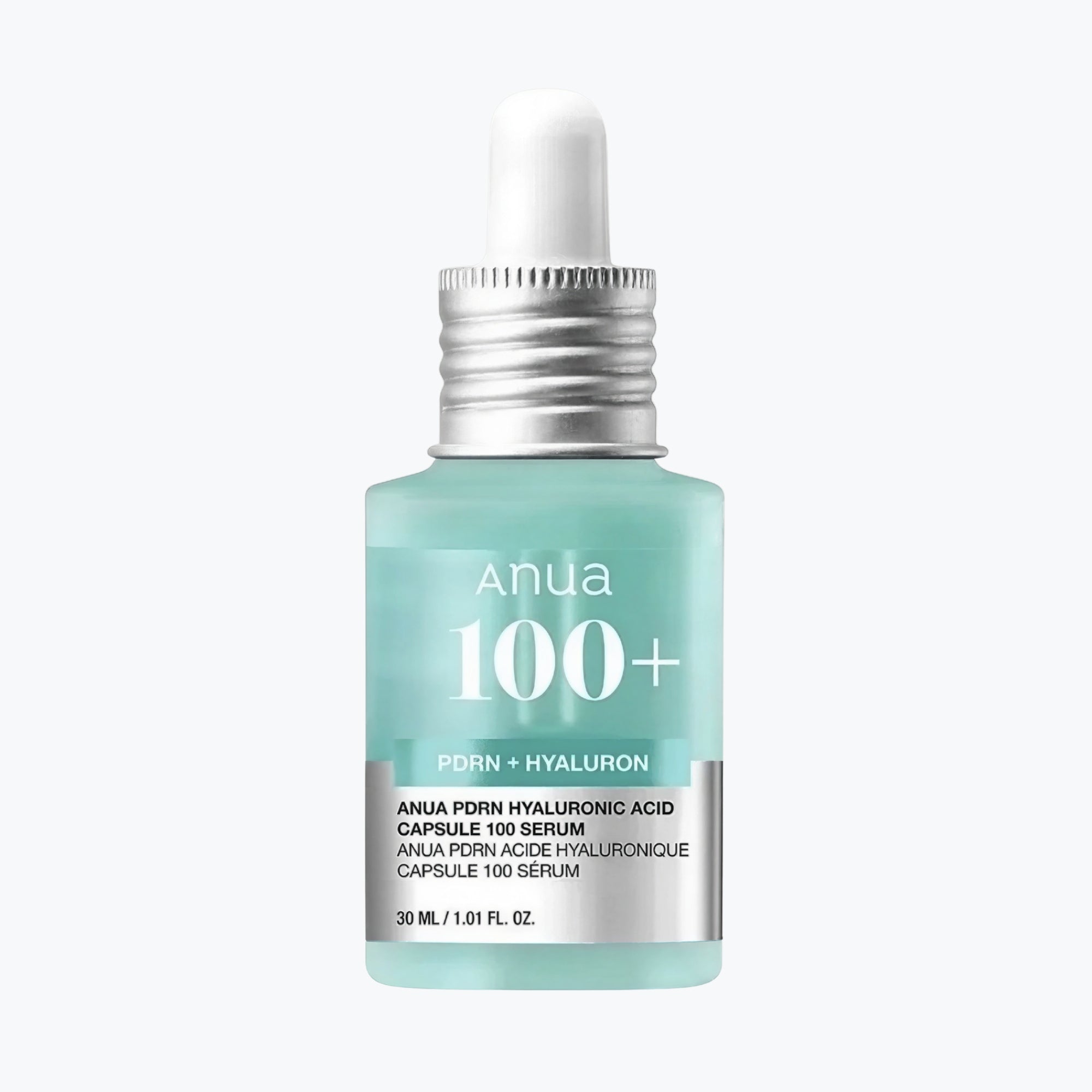
- Serum: focus on barrier-strengthening active ingredients from Serum Sensitive Skin.
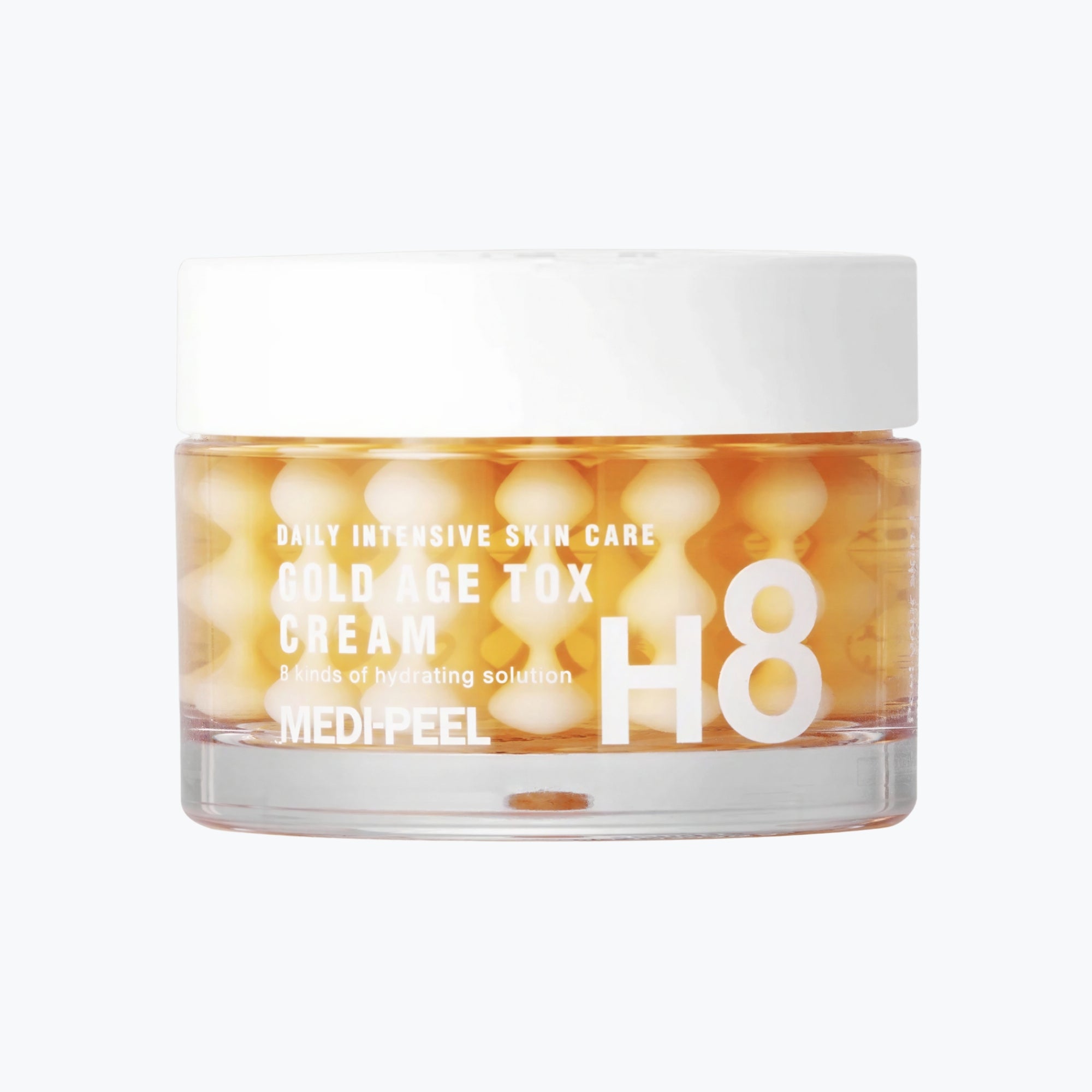
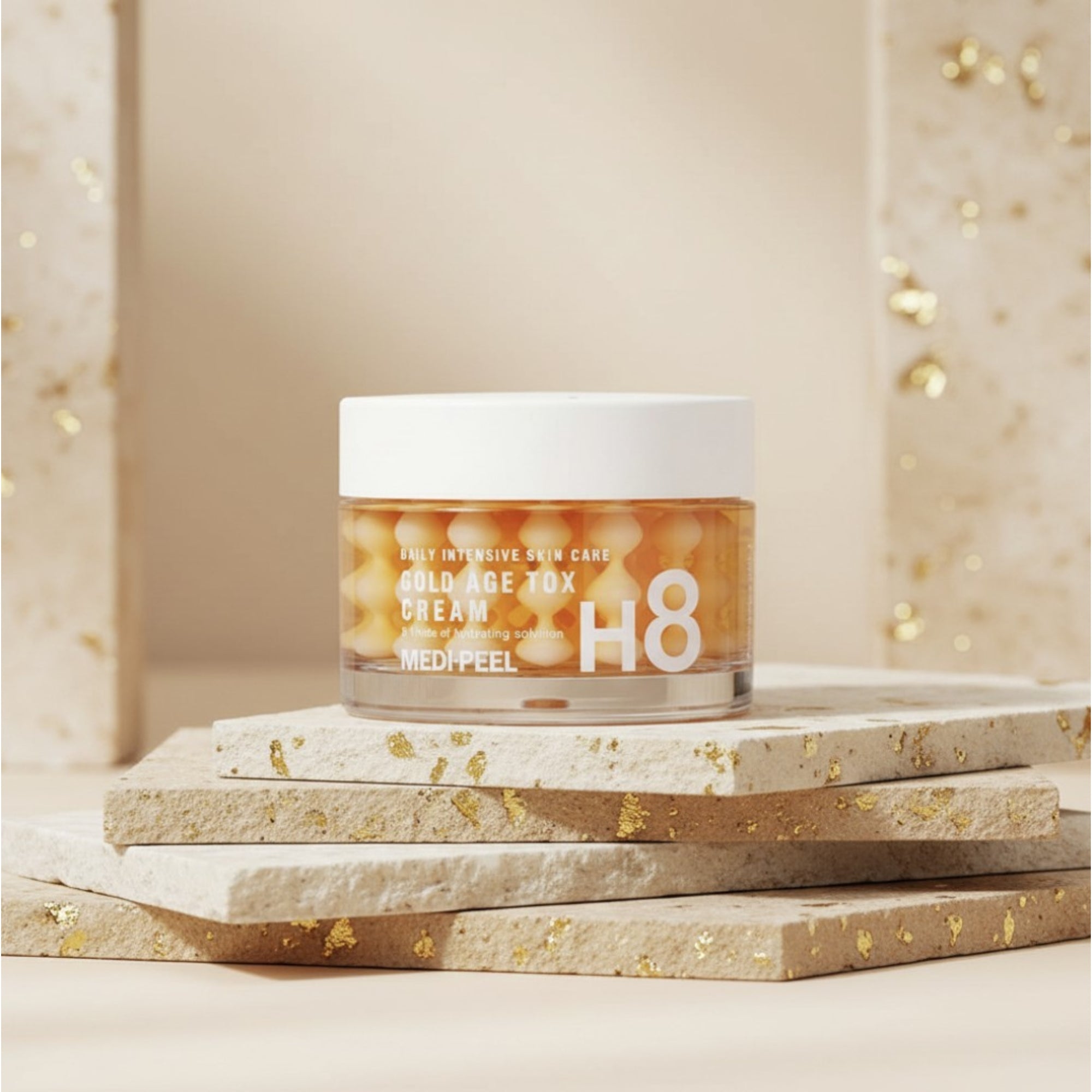
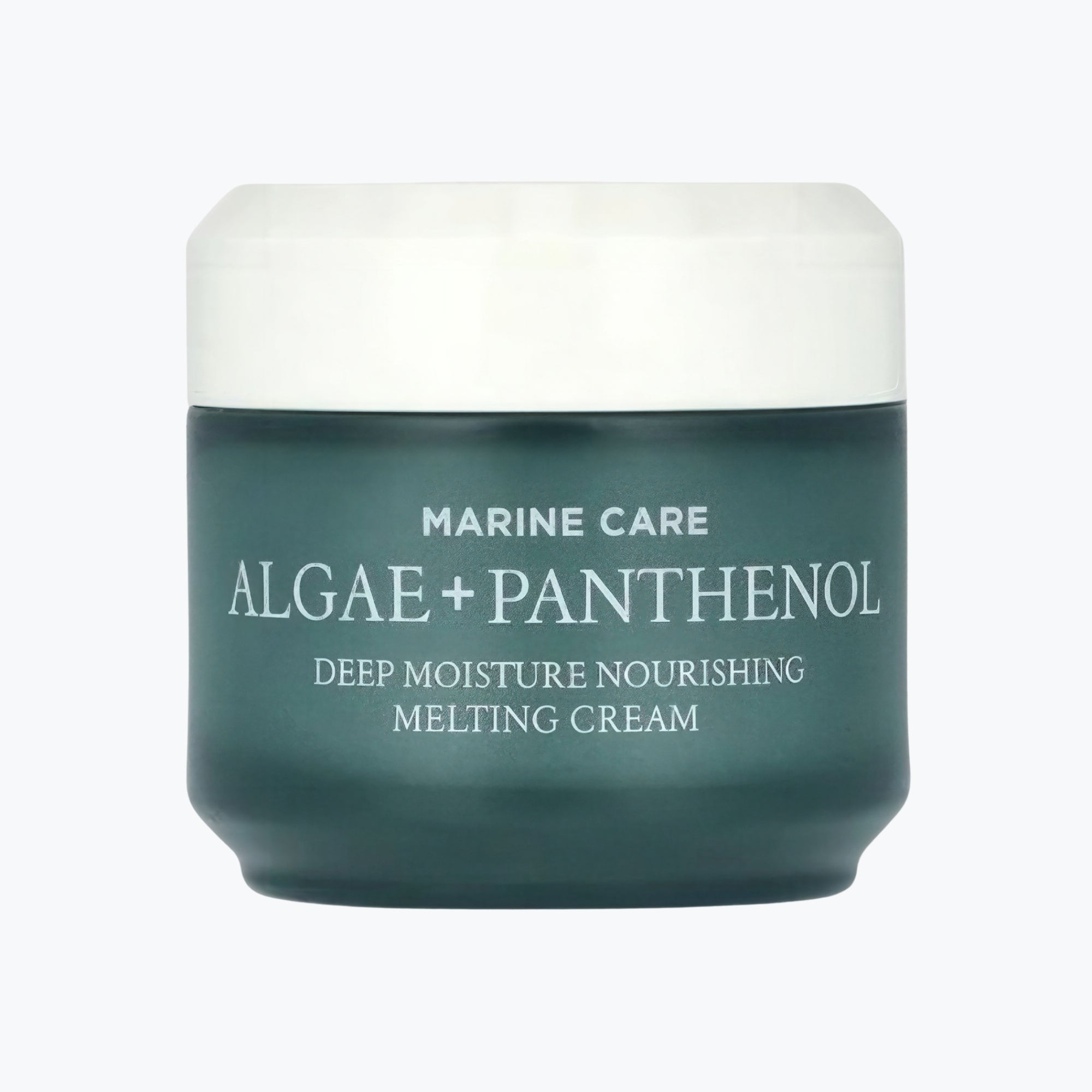
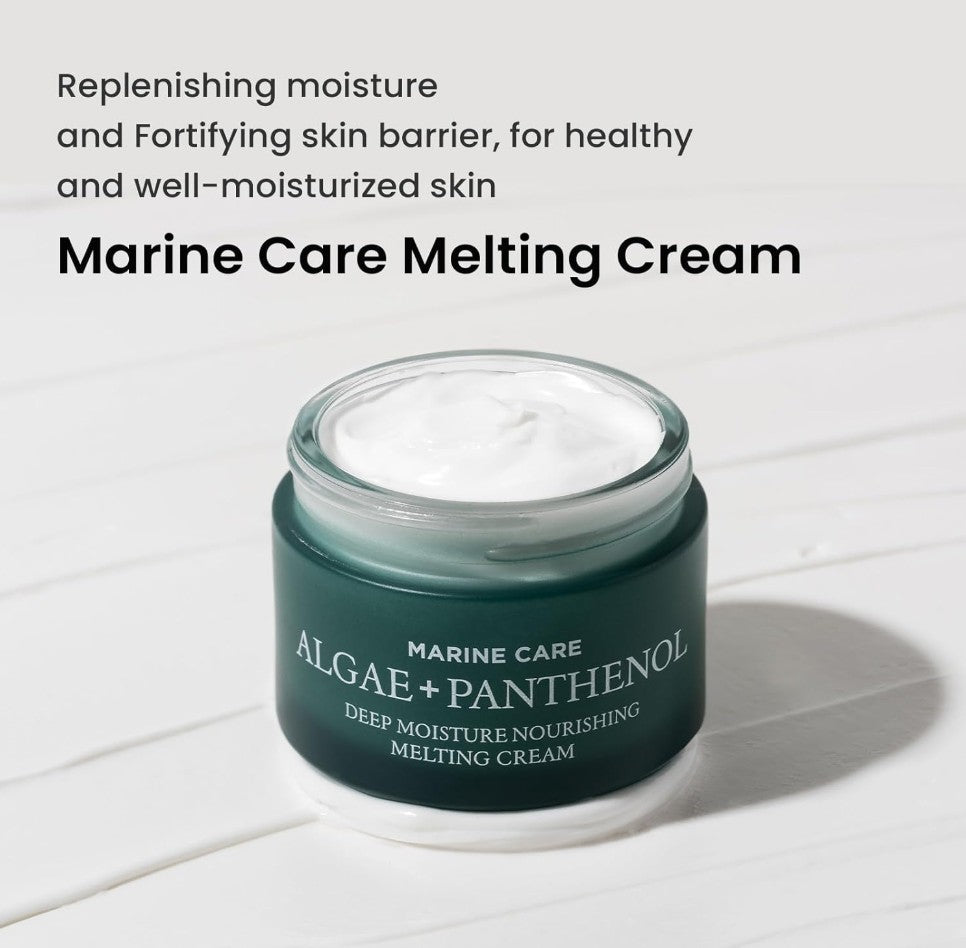
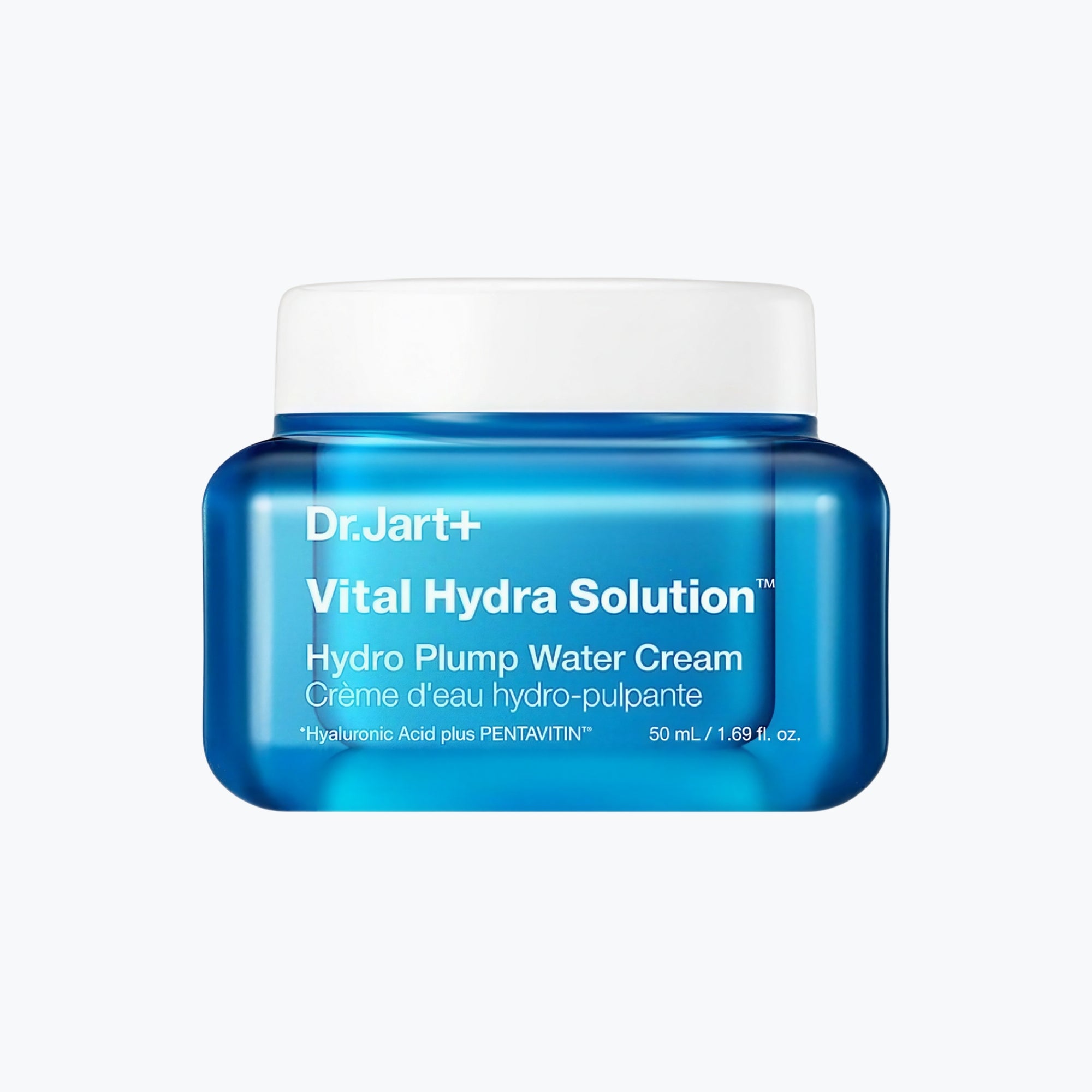
- Cream: lock in moisture with a rich but gentle cream from Face Cream Sensitive Skin.
- Sun protection: always finish with a mild, physical sunscreenthat rarely causes irritation.
Ingredients that soothe without compromising
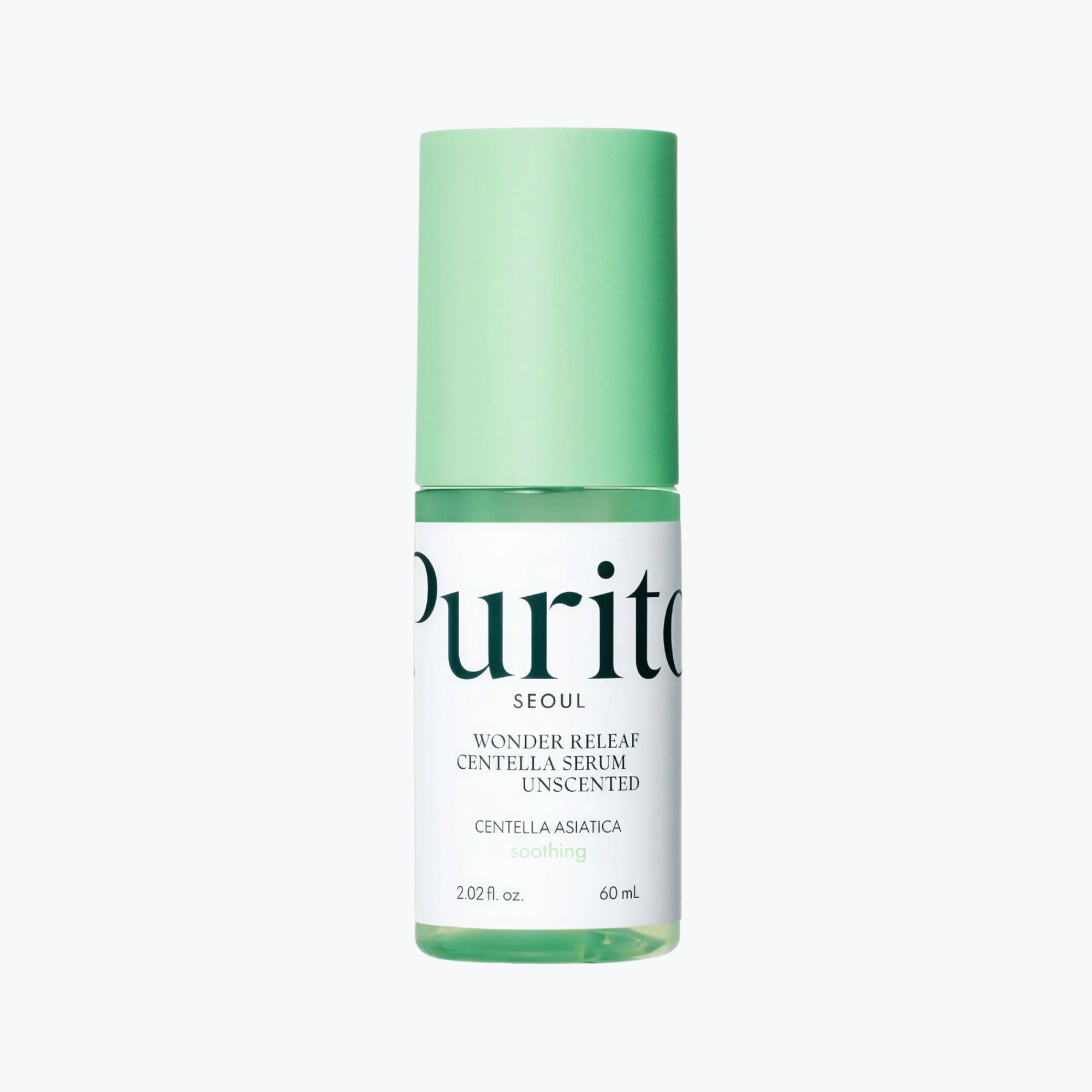
Look for centella asiatica, one of the most well-studied soothing ingredients in Korean skincare, as well as panthenolwhich strengthens the barrier and reduces transepidermal water loss. Low-concentration niacinamidecan also be soothing, but should be introduced gradually to avoid initial irritation.
What sensitive skin should avoid
Fragrance, both synthetic and natural, is one of the most common triggers for reactions. The same applies to alcohol denat in high concentrations, essential oils, and strong acids in high percentages. This does not mean that every trace of these substances is dangerous, but when in doubt, a shorter ingredient list is almost always a safer choice than a long one.
Common myths about sensitive skin
- "Natural means gentle": natural substances like essential oils and certain plant extracts are among the most common causes of reactions in sensitive skin.
- "More steps provide better protection": a long, complicated routine increases the risk of reactions. Fewer, well-chosen products are often safer.
- "Skincare without preservatives is always better": without adequate preservation, the product risks bacterial growth instead, which is a greater threat to sensitive skin.
- "You grow out of sensitive skin": reactivity can change over time, but it rarely disappears completely without actively adapting the routine.
Test new products the right way
Patch testing is particularly important for sensitive skin. Apply a small amount of a new product to a limited area, preferably the inside of the elbow or behind the ear, and wait at least 24 to 48 hours before introducing it into your full facial routine. Furthermore, introduce only one new product at a time; this makes it significantly easier to identify exactly what is causing a potential reaction.
The skin barrier is the very foundation
A strong skin barrier consists of skin cells held together by lipids, such as ceramides, cholesterol, and free fatty acids, much like bricks and mortar. When the barrier is intact, it keeps moisture in and irritants out. If it is damaged—by over-exfoliation, aggressive cleansing, or weather exposure—the skin becomes more prone to both dryness and reactivity at the same time, making barrier repair the first and most important step for almost all sensitive skin.
Reactive skin and diagnosed skin conditions
Sensitive skin can occur on its own or together with diagnosed conditions such as rosacea, eczema, or contact dermatitis. The difference is important: a person with only reactive, sensitive skin can often manage the situation by switching to gentler products, while underlying skin conditions may need to be supplemented with advice from a dermatologist. Skincare products never replace medical treatment, but properly chosen, they can make everyday life significantly more comfortable for both groups.
Weather and season affect sensitivity
Cold, dry winter air and strong wind are among the most common external factors that aggravate sensitive skin, while the summer's combination of heat, sweat, and stronger sun can trigger other types of reactions. Many notice that their skin tolerates more during certain periods of the year than others, which is completely normal and a sign that the routine sometimes needs to be adjusted seasonally rather than being static year-round.
Sensitive skin deserves products built just for it
Managed correctly, sensitive skin need not feel limiting or boring. The range is chosen to combine gentleness with actual efficacy, so that you can build a routine that both soothes and improves the skin in the long term.
