








How panthenol works as a provitamin
When panthenol is absorbed by the skin, it is converted into pantothenic acid, also known as vitamin B5, a substance that is crucial for the skin's natural healing and renewal processes. This delayed conversion provides a smooth, gradual release of the effect rather than a peak followed by declining efficacy.
At the same time, panthenol draws moisture into the skin and helps strengthen the barrier, making it one of the few ingredients that combine soothing, healing, and moisturizing properties in one single substance, much like allantoinbut with a slightly different mechanism of action.
Where panthenol is most beneficial
Panthenol is particularly common in products aimed at sensitive skin, after-sun care, and products for the eye area, where the skin is thinner and more vulnerable. This makes the substance one of the most recurring ingredients in ingredient lists in general, regardless of which skin type the product is aimed at.
K-beauty with panthenol: examples
• Farm Stay Grape Stem Cell Wrinkle Repair Eye Cream: an eye cream where panthenol is combined with grape-based cell culture extract and adenosine to help the skin around the eyes feel smoother and more elastic.
• Torriden Balanceful Cica Cream: a soothing cream with panthenol and centella for a balanced, hydrated skin feel.
• Medicube Zero Pore One Day Cream: a day cream where panthenol contributes nourishing hydration and supports the skin's moisture barrier together with allantoin and hyaluronic acid.
Panthenol after active treatments
Just like centellaand allantoin, panthenol is one of the ingredients that is often recommended after chemical exfoliationor other active treatments, when the skin needs support to recover without being burdened with additional active ingredients.
The gradual release makes panthenol particularly suitable for that specific type of recovery phase, as it does not risk overloading already stressed skin in the same way that more directly active ingredients can.
How much panthenol is needed for an effect?
Panthenol is usually used in concentrations between 0.5 and 5 percent in skincare products, and even relatively low concentrations have shown measurable effects in studies. This makes panthenol one of the ingredients where more is not necessarily better, but where consistent use over time plays a bigger role than the exact percentage.
This makes it harder to compare products based solely on the stated percentage, and more important to look at the formulation as a whole and how often the product is actually used.
Panthenol outside of skincare
Panthenol is also used in haircare, where it is believed to provide similar moisture-binding and strengthening benefits to the hair strand as it does for the skin. The broad use, from skincare to hair products and even some lip care products, underscores how gentle and versatile the substance actually is.
It is rare for one and the same ingredient to work just as well in so many different contexts without needing to be significantly adapted between them.
How panthenol was discovered and came to skincare
Panthenol was first identified and synthesized in the 1940s, as part of broader research into vitamin B5 and its role in the body's metabolism. However, it was not until later decades that the substance's topical, skincare-related properties were seriously investigated and documented, separate from its original role as a dietary supplement and medical addition against deficiency states.
Since then, panthenol has become one of the most well-documented and used ingredients in the entire cosmetics industry, with thousands of published studies supporting its soothing, moisturizing, and healing properties, giving the substance an unusually solid scientific foundation compared to many newer, more trend-driven skincare ingredients.
D-panthenol versus DL-panthenol
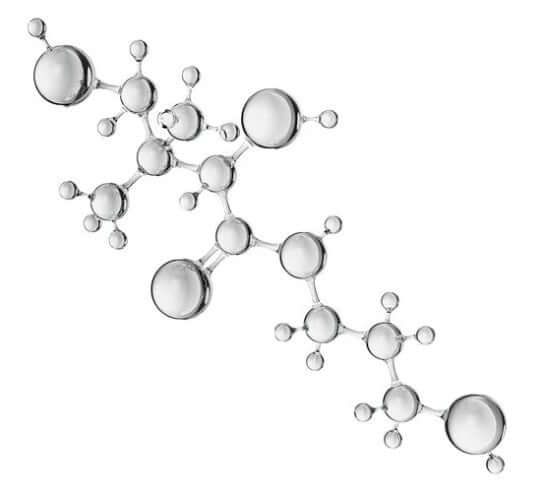
Panthenol occurs in two chemical forms, D-panthenol and DL-panthenol, where only the D-form is biologically active and can be converted into vitamin B5 in the skin. DL-panthenol is a mixture of the D-form and its mirror-image molecule L-panthenol, which the body cannot use in the same way, meaning effective formulations are based almost exclusively on pure D-panthenol.
It is rarely necessary for consumers to look specifically for D-panthenol on the packaging, as reputable skincare brands already use the active form, but it explains why panthenol is sometimes incorrectly claimed to be ineffective by critics who confuse the two variants.
Panthenol after sunburn and skin irritation
Panthenol is one of the most recommended ingredients for sunburn and other acute skin irritation, often in combination with aloe verafor an enhanced soothing and cooling effect. The moisture-binding and healing action makes panthenol particularly valuable precisely when the skin is at its most vulnerable and needs support to recover quickly.
Many after-sun products therefore build their formulation around the combination of panthenol and aloe vera, two ingredients that complement each other well in acute situations.
Why panthenol almost never causes allergic reactions
Panthenol is considered one of the most hypoallergenic substances in cosmetics, with extremely few reported cases of contact allergy despite decades of widespread use in millions of products worldwide. This makes the substance a safe choice even for those who have several known skincare allergies and need to navigate carefully among active ingredients.
Panthenol as a silent indicator of quality
Experienced skincare users often learn to scan ingredient lists for panthenol as a sign of a thoughtful, skin-friendly formulation, since brands that prioritize skin comfort tend to include it as standard, regardless of the product's main purpose. This makes panthenol one of the more discreet but reliable signals of a product's overall quality.
The fact that a product contains panthenol does not, of course, guarantee that the rest of the formulation is just as well-thought-out, but it is rarely a bad sign, and for those who are new to skincare, it can serve as a simple, practical rule of thumb to lean on when choosing between similar products.
Is panthenol suitable for all skin types?
Yes, panthenol is among the most universally tolerated ingredients in all of skincare and is literally suitable for all skin types, including the most sensitive. This is one of the reasons why the substance appears in almost every category of product, from cleansers to advanced serums.
