
Why "squeaky clean" is not the same thing as clean skin
The tight, almost squeaking sensation many associate with "truly clean" is usually caused by the cleanser removing more than just dirt and sebum; it has also disrupted the skin's natural protective barrier. When the barrier is weakened, moisture leaks out faster while the sebaceous glands are activated to compensate, which in practice makes oily skin oilier over time rather than less so.
The right cleanser should instead feel neutral: the skin is free from dirt and excess oil but still soft and comfortable, without feeling taut or hot.
Double cleansing even for oily skin
Many associate double cleansing with dry or normal skin, but the method works just as well for oily skin. A first step with oil-based cleanserdissolves sebum, dirt, and sunscreen effectively without requiring aggressive scrubbing, followed by a foaming gel or foam that takes care of the rest. Together, the combination is often gentler on the skin than a single powerful cleanser.
What should be in your cleanser
- Salicylic acid: dissolves sebum and impurities directly in the pores, see our entire range of products with salicylic acid.
- Centella asiatica: soothes the skin during cleansing, read more in our range with centella.
- Mild surfactants: cleanse without stripping the skin's natural protective barrier.
- Green tea or niacinamide: helps balance sebum production right at the cleansing stage, see niacinamide.
Three cleansers worth knowing
- COSRX Salicylic Acid Daily Gentle Cleanser: mild but effective with salicylic acid that keeps pores clean without stripping the skin.
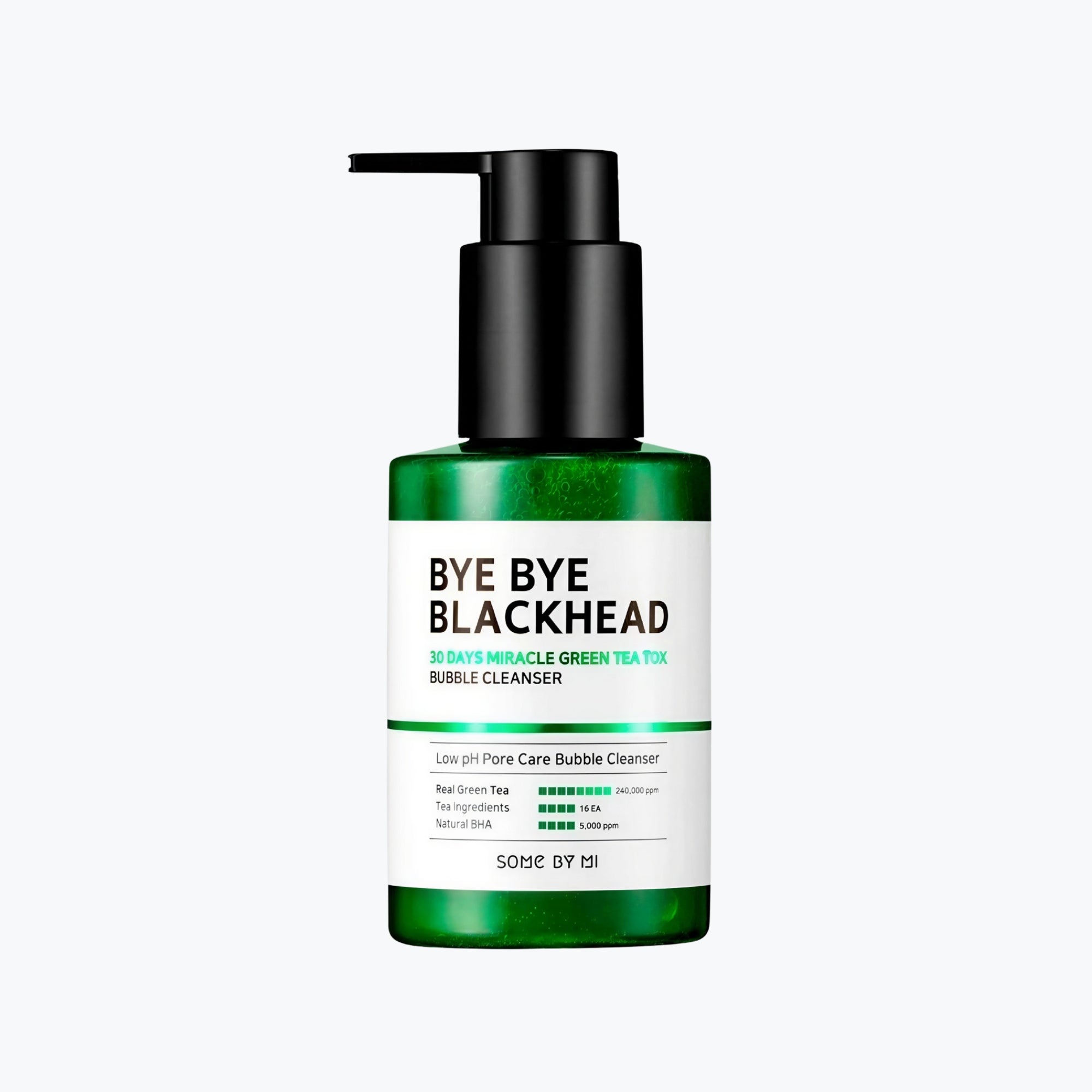
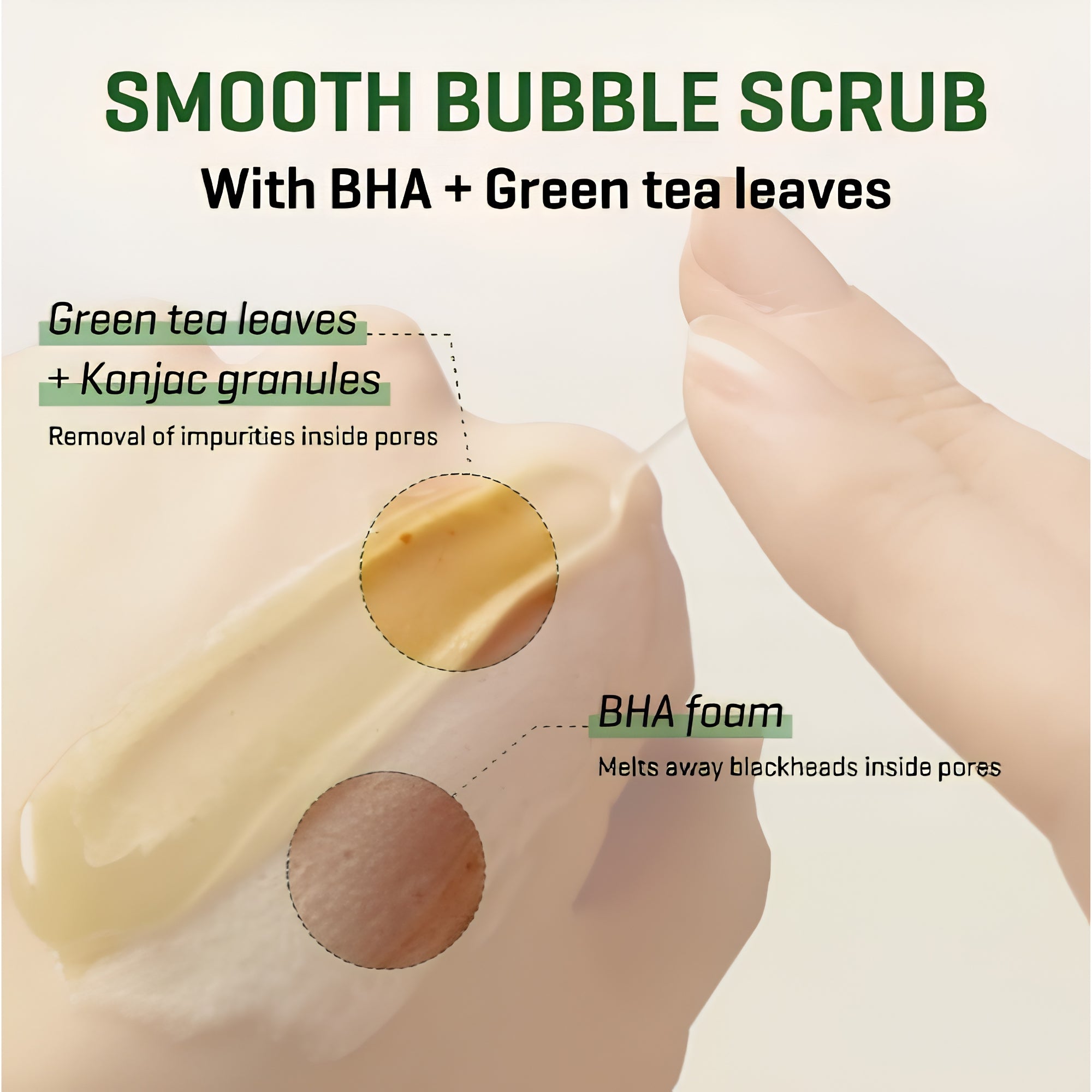
- SOME BY MI Bye Bye Blackhead 30 Days Miracle Green Tea Cleanser: green tea and salicylic acid targeted specifically at blackheads and excess sebum.
- Axis-Y Sunday Morning Refreshing Cleansing Foam: foaming formula with betaine and panthenol that cleanses thoroughly but gently.
Avoid these common mistakes
Washing your face more than twice a day, using hot water instead of lukewarm, or scrubbing hard with a washcloth are three of the most common reasons why oily skin never seems to get better. Hot water does dissolve sebum quickly, but it also removes too much of the skin's protective lipids, which triggers the same overproduction that an overly aggressive product does.
Your fingertips are almost always enough to work in a cleanser properly. Mechanical scrubbing feels like it does more, but it usually just irritates the skin unnecessarily.
How often should you cleanse oily skin?
Twice a day is the recommendation for most, morning and evening. If you have been extra sweaty or worn a lot of makeup, an extra rinse with just water can make a difference in the middle of the day, but a third full cleanse is rarely necessary and risks doing more harm than good.
Gel, foam, or balm, which texture suits oily skin?
Gel cleansers are often the safest choice for oily skin because they cleanse effectively without leaving any oily residue behind. Foaming foam formulas provide a similar feeling but can be somewhat more drying depending on the surfactants used, which makes the ingredient list at least as important as the texture. Balm-based cleansers are usually associated with dry skin, but in combination with a second cleanser in the double cleansing step, they work excellently even for oily skin, especially for dissolving sunscreen and makeup effectively.
The role of pH in the cleansing step
Skin naturally has a slightly acidic pH, somewhere between 4.5 and 5.5. Many cleansers, especially older or more aggressive formulas, are significantly higher on the scale, which disrupts the skin's natural balance and makes it more susceptible to irritation and bacterial growth. A cleanser with a pH close to the skin's own value preserves the barrier better, which in the long run helps to keep sebum production under control.
Morning versus evening, the same cleanser?
In the morning, a milder, shorter cleanse is often enough because the skin has mostly just collected night-sebum. In the evening, after a day with sunscreen, any makeup, and external pollutants, a more thorough cleanse is justified, preferably with double cleansing as the first step. Using exactly the same product and method morning and evening is rarely optimal for oily skin specifically.
Sulfates, friend or foe for oily skin?
Strong sulfates like SLS provide that intense foam sensation many associate with "properly clean," but they can also be aggressive toward the skin's protective barrier. This does not mean that all foam is bad; milder surfactants can provide a similar feeling without the same drying effect. The ingredient list reveals more about a cleanser's actual mildness than how much lather it creates.
What the cleanser cannot solve on its own
A cleanser, no matter how well-formulated, can only do part of the job. Sebum production is largely controlled by factors like genetics and hormones, which means that the cleansing step will never alone completely eliminate shine or large pores. Its task is to create a clean, balanced foundation that the rest of the routine—toner, serum, and cream—can then build upon.
Next step after cleansing
When the skin is clean and still slightly damp, it is ready for the next step in the routine. Feel free to continue with a toner adapted for oily skinthat balances the pH before active serums are applied.
