


Why serums don't have to be risky
Reactions to serums are rarely due to the concept itself, but rather to specific ingredients in high concentrations: strong acids, retinoids, or high levels of vitamin C. There are plenty of serums built around clean, barrier-strengthening ingredients like centella, panthenol, and peptides—formulations that provide real results without pushing the skin into reactivity.
Three serums worth knowing for sensitive skin
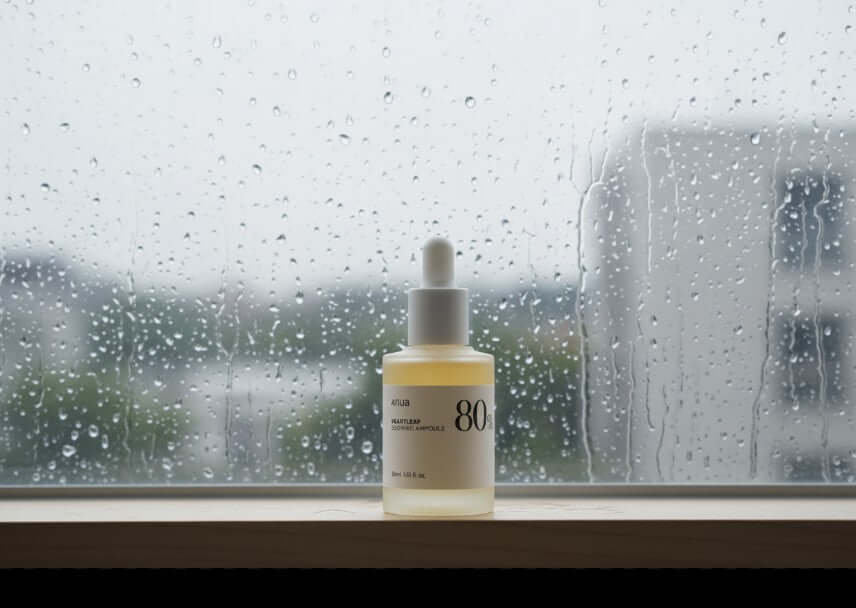
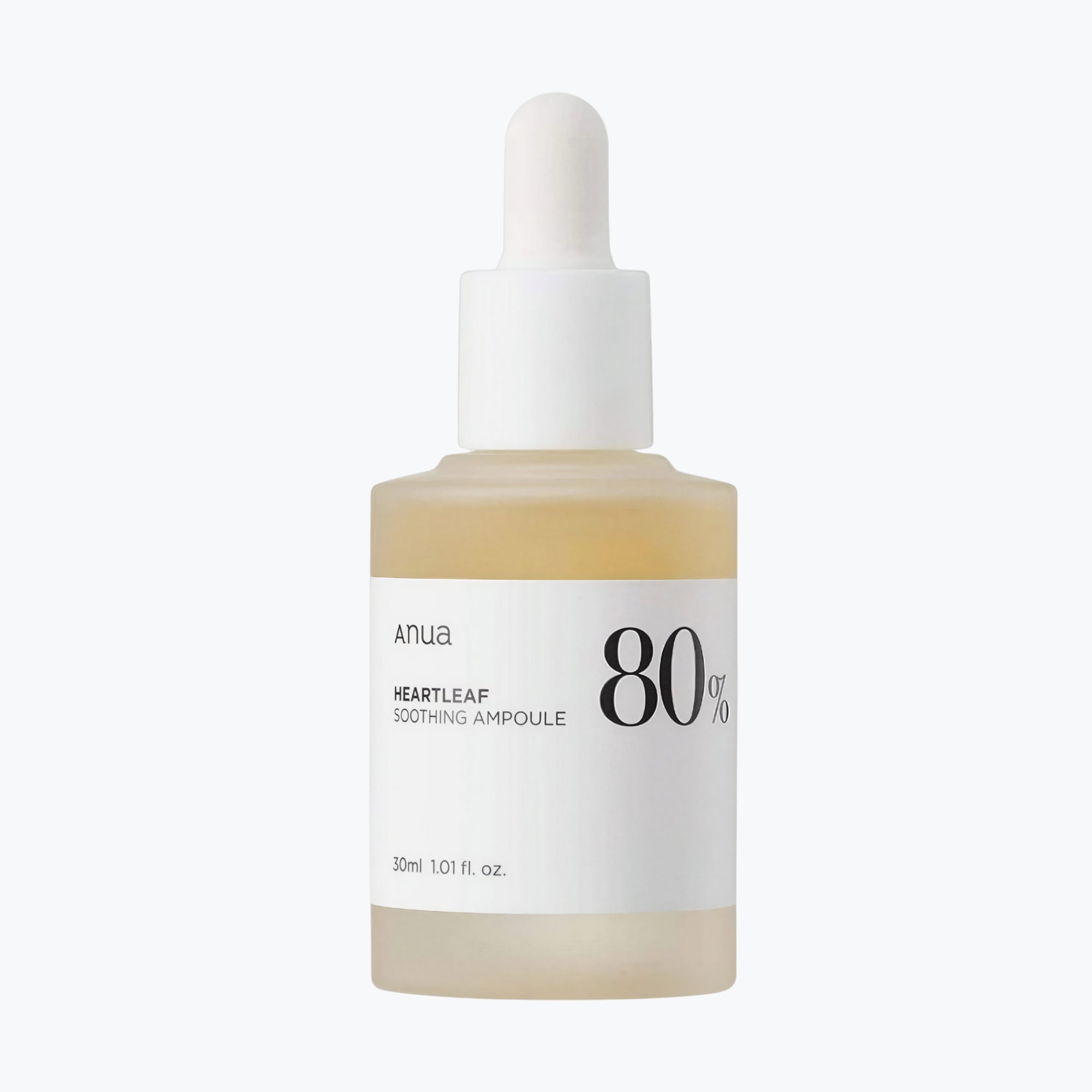
- Anua Heartleaf 80% Moisture Soothing Ampoule: a high concentration of heartleaf extract that soothes and hydrates without unnecessary additives.
- COSRX Full Fit Propolis Light Ampoule: a propolis-based, lightweight formula that provides nourishment without feeling heavy or irritating.
- Medicube PDRN Pink Peptide Serum: a peptide-based formula focused on barrier repair rather than quick, aggressive results.
Ingredients to prioritize
Centella asiatica is one of the most well-studied soothing ingredients; see the entire range with centella. Panthenol strengthens the barrier and reduces water loss; see products with panthenol. Peptides and exosomes can help repair and strengthen the skin without the exfoliating effect that acids provide.
Introduce new serums one step at a time
Never add more than one new serum at a time, even if both are labeled "for sensitive skin." Give each new product at least one to two weeks before introducing the next; this makes it significantly easier to identify what works and what might be causing problems.
When active ingredients like acids can work
This doesn't mean that sensitive skin can never use acids or retinol. The key is to start with a very low concentration, infrequent use—perhaps once a week—and build up tolerance gradually over several months. Never combine several strong active ingredients on the same evening, and always finish with a soothing, moisturizing cream to reduce the risk of irritation.
Ampoule versus serum for sensitive skin
An ampoule often contains a higher concentration of active ingredients than a regular serum and is intended for shorter, more intensive treatments. For sensitive skin, it can be wise to start with a milder, more diluted serum and only later, if the skin tolerates it well, test a more concentrated ampoule for a limited period. Jumping straight to the strongest formulation unnecessarily increases the risk of a reaction.
Storage and shelf life matter
Many of the most soothing active ingredients, such as certain peptides and vitamin C derivatives, break down faster when exposed to heat and light. Store serums in a cool, dark place, and replace a bottle that has changed color or smell; an unstable formula can itself become a source of irritation for sensitive skin, even if the original recipe was gentle.
Next steps after serum
Lock in the benefits with a face cream adapted for sensitive skinthat further strengthens the barrier.
